What should you look for when buying?
Carbohydrate-rich running fuel
A good fit if: You’re mainly planning how to fuel a long run. The German Nutrition Society highlights the role of carbohydrates in this.
Consider: This option won’t necessarily meet your needs if you’re looking for a protein-rich snack after training.
A protein bar as a post-training snack
A good fit if: You’re specifically looking for a bar with a stated protein content to enjoy after training or between meals.
Consider: A high protein content alone doesn’t tell you whether the bar is suitable as fuel during a long run.
First decide when you want to eat the bar. Then compare the nutritional values for the portion you’ve chosen and check the ingredients for that specific variety.
| Criteria |
What to check |
Who it matters most to |
| Energy while running |
Compare the carbohydrates per bar and intended portion size with how you plan to use it during your run. |
When I’m planning fuel for a long training run, carbohydrate intake takes priority over choosing a bar with the highest possible protein content. Around 46% of consumers put this need for energy while running first. |
| Post-training protein snack |
Compare the protein content, bar weight and nutritional information per portion. |
After training, I want a convenient protein snack and don’t plan to use it as my main source of fuel during a run. This is the main priority for around 36% of consumers. |
| Ingredients and tolerance |
Read the ingredients list, allergen information and details of any polyols in the specific variety. |
If I have allergies, follow a particular diet or am sensitive to certain ingredients, I need to check the specific recipe. Ingredients and how well they’re tolerated are the main concern for around 18% of consumers. |
Protein bars for a post-training snack
These Joybuy products may suit you as a protein snack after training or between meals. If you’re planning to have a bar during a long run, check its carbohydrate content and ingredients separately.
 No image available
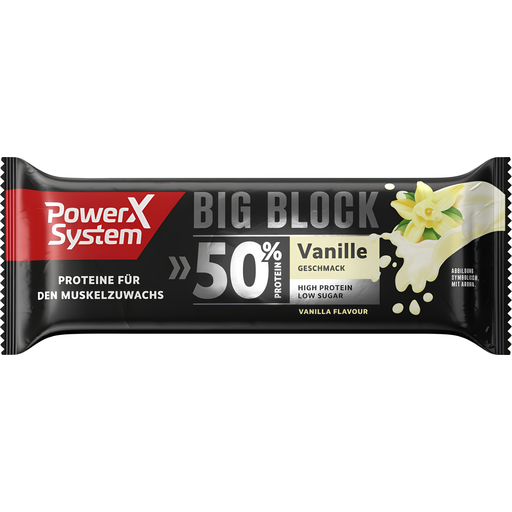
Power System Big Block Vanilla Protein Bar, 100 g
This may suit you as a protein snack after exercise or between meals. The pack size is 100 g; if you’re planning to use it as running fuel, check the carbohydrate content too. If you have allergies or avoid collagen, read the ingredients list and allergen information on the specific pack.
View at Joybuy
 No image available
Barebells Protein Bar Cookies & Cream, 12 × 55 g
This may suit you as a post-training snack or as an option to take with you. The pack contains 12 bars, each weighing 55 g; check the carbohydrates and ingredients for the specific variety. If you have allergies or avoid collagen, check the allergen information and ingredients too.
View at Joybuy
 No image available
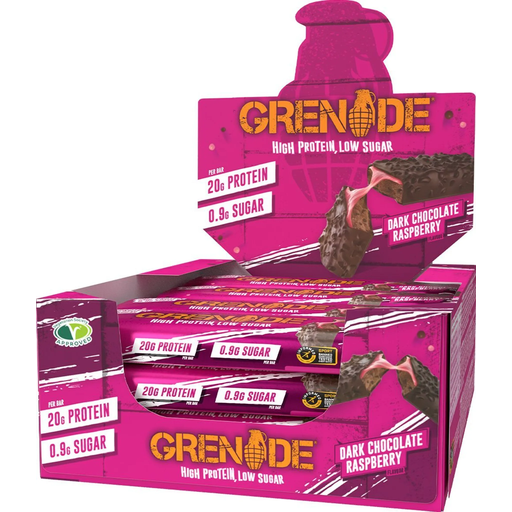
Grenade Protein Bars Dark Chocolate Raspberry, 12 × 60 g
This may suit you as a post-training snack. The pack contains 12 bars, each weighing 60 g, for a total of 720 g. If you’re planning to have a bar during a run or are sensitive to polyols, check the nutritional information and ingredients on the pack; if you have allergies, check the allergen information too.
View at Joybuy
 No image available
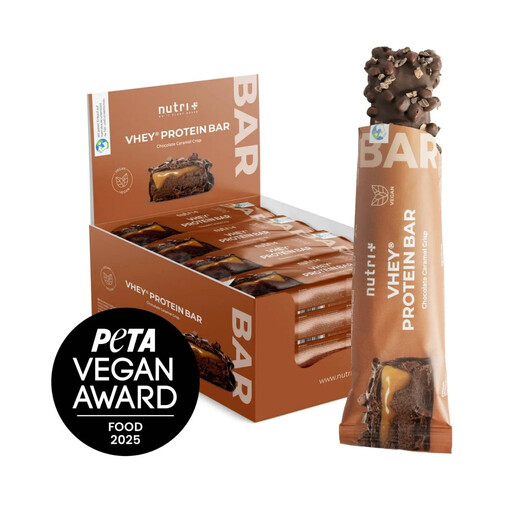
Nutri+ Whey Protein Bar Chocolate Caramel Crisp, 12 × 50 g
This may suit you as a post-training snack or as an option to take with you. The pack contains 12 bars, each weighing 50 g. If the source of the protein or a particular diet matters to you, check the ingredients on the specific pack; if you’re using the bar as running fuel, compare the carbohydrates per bar too.
View at Joybuy
Frequently asked questions
Is a high-protein bar suitable fuel for a long training run?
Not simply because of its protein content. The German Nutrition Society highlights the importance of carbohydrates for providing energy during exercise; for example, Powerbar lists 12 g of carbohydrates per bar for its 52% Protein+. Check the carbohydrates in the portion you plan to eat before using a protein bar as running fuel.
Which nutritional values should I compare in protein bars?
Compare protein, carbohydrates, sugars, polyols and energy per bar or per 100 g. Values depend on the product and sometimes on the variety; pay particular attention to the carbohydrate content if you plan to eat the bar while running.
Why do polyols matter in a protein bar?
They may affect how well you tolerate the bar. Powerbar lists 11 g of polyols per bar for its 52% Protein+ and warns that excessive consumption may have a laxative effect. Check the information for the specific variety if you plan to eat the bar around a training session.
Where can I find the allergens in a protein bar?
Check the ingredients list and allergen information on the specific pack. The German Federal Office of Consumer Protection and Food Safety explains that the main substances which can cause allergies or intolerances and must be labelled have to be listed in the ingredients; these include milk, soya and nuts.


