People who train late
If you’re planning a snack after your workout, compare the grams of protein per bar with the portion you actually intend to eat. The percentage per 100 g won’t answer that question on its own.


When choosing a protein bar for a late-night snack, the grams of protein in the bar you’ll actually eat matter more than a prominent percentage on the front of the pack. After an evening workout, a clearly portioned amount of protein may fit your meal plan; if you’re craving something sweet or have a sensitive stomach, the ingredients, nutritional values and how well you tolerate it matter too. The Verbraucherzentrale points out that, given the generally good protein intake in Germany, extra protein isn’t automatically necessary.
If you’re planning a snack after your workout, compare the grams of protein per bar with the portion you actually intend to eat. The percentage per 100 g won’t answer that question on its own.
If the bar is mainly intended to replace a sweet treat, portion size, nutritional information and ingredients matter just as much as the protein content. According to Lebensmittelklarheit, ‘no added sugar’ doesn’t automatically mean unsweetened.
If you’re sensitive to certain sweeteners or need to avoid allergens, check the labelling for each individual variety. You can’t tell what’s in a particular bar from the brand name alone.
First, decide what you want your midnight snack to do: provide a planned portion of protein after training, satisfy a sweet craving or suit your ingredient requirements. Then compare the information per bar, rather than relying only on the claims on the pack.
| What matters to you | What to check when buying | Who should pay particular attention |
|---|---|---|
| Protein per serving | Grams of protein and the weight of the individual bar; don’t confuse figures per 100 g with those for your portion. | After a late workout, I want to know how much protein my snack actually provides. For around 40% of consumers, the protein serving is the top priority. |
| A sweet snack | Sugar and energy per bar, as well as the ingredients list; don’t assume ‘no added sugar’ means ‘no sweeteners’. | If I want something sweet at night, the bar should fit the portion I have planned. Around 30% of consumers prioritise this kind of snack, while keeping sugar and nutritional values in mind. |
| Tolerance and allergens | Ingredients, allergen labelling and information about polyols for the specific variety. | If I have a sensitive stomach or need to avoid an ingredient, the exact recipe is my first priority. Around 30% of consumers prioritise tolerance and allergens. |
A figure per 100 g doesn’t necessarily tell you how much protein is in an individual snack. Lebensmittelklarheit notes that the protein figures shown prominently on the front of bars are often based on 100 g.
Compare the grams of protein per bar with the bar’s weight and its other nutritional values per bar.
This claim doesn’t rule out sweeteners. So if you want to avoid certain ingredients, you can’t rely on the front of the pack alone.
Read the ingredients list and, for the specific variety, compare the information on sugar and polyols too.
The German Federal Institute for Risk Assessment points out that consuming too many sugar alcohols can have a laxative effect. The ingredients in an individual bar are especially important if you have a sensitive stomach.
Check the ingredients and pack information, as well as any other snacks containing sugar substitutes that you plan to eat that evening.
A bar is one possible snack, but training late doesn’t automatically mean you need extra protein. The Verbraucherzentrale describes overall protein intake in Germany as good.
Consider whether a bar would fill a specific gap in your usual meal plan, and include everyday foods in your choice.
These brands offer different approaches to protein content and snack appeal. What matters is the labelling for each variety, not the brand name.
The protein bar range sold by dm includes varieties with different stated protein percentages.
Barebells offers protein bars in classic and soft varieties, with the appeal of a sweet treat.
ESN’s Designer Bar range is aimed at people looking for a protein bar with the appeal of a sweet snack.
These protein bars could work as individually portioned sweet snacks. For each variety, compare the pack’s protein figure per bar and the ingredients with what you’re looking for after an evening workout or when you have a late-night sweet craving.
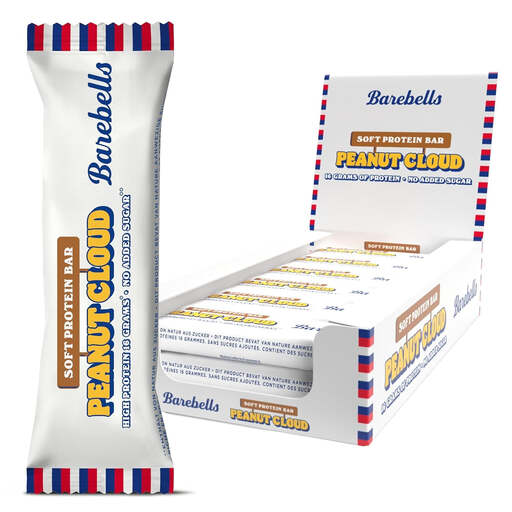 No image available
An option if you’re looking for a sweet protein bar in a pre-portioned size.
The pack contains 12 bars, each weighing 55 g. Check the protein figure on the specific pack, along with the ingredients, especially if milk, peanuts, soya or sweeteners are important factors in your choice.
 No image available
This variety may suit you if you’re looking for a sweet, portioned protein bar; check the protein figure per bar to assess how much it provides.
The pack contains 12 bars, each weighing 55 g. Check the ingredients if milk, soya or sweeteners matter to you; ‘no added sugar’ is no substitute for checking the labelling.
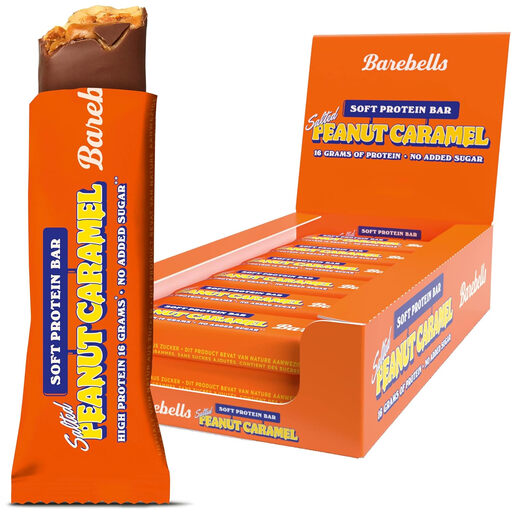 No image available
If you prefer a sweet bar with a salted peanut caramel flavour, compare its portion size and nutritional values with the other varieties.
The pack contains 12 bars, each weighing 55 g. Before choosing, check the labelling for milk, peanuts, soya and sweeteners.
 No image available
This bar may suit you if a 45 g snack portion matters more than finding the highest advertised protein percentage.
The pack contains 12 bars, each weighing 45 g. Compare the protein and other nutritional values per bar, and check the information on polyols, milk, soya and hazelnuts too.
Check the grams of protein per bar or per portion you eat. Lebensmittelklarheit points out that the figures on the front of many protein bars are based on 100 g; without knowing the bar’s weight, you can’t tell the amount in your portion straight away.
No, ‘no added sugar’ doesn’t automatically mean unsweetened. Lebensmittelklarheit explains that sweeteners may still be present; check the ingredients list for the specific variety.
This kind of warning may be relevant for bars containing polyols. The German Federal Institute for Risk Assessment describes how consuming too many sugar alcohols may have a laxative effect. So check the ingredients and pack information, particularly if you’re sensitive to them.
No, the timing of your workout alone doesn’t mean you need an extra bar. The Verbraucherzentrale points to generally good protein intake in Germany; consider your usual meals to decide whether you want to plan in another snack at all.
No, check the ingredients and allergen labelling for each individual variety. Recipes can vary within a brand, so information about one bar doesn’t necessarily apply to another.