New parents short on time for snacks
When there’s little time between childcare, appointments and a quick workout, a pre-portioned snack is easy to take with you. To compare bars, check how much protein the bar you actually eat contains.


When you need a quick snack while looking after a baby, there’s more to consider than just a ‘high protein’ label. Compare the grams of protein per bar alongside the serving size, sugar, polyols and ingredients. A protein bar can be handy on the go or after exercise, but it’s no substitute for a varied diet. If you have allergies or specific dietary requirements, check the ingredients for the particular variety.
When there’s little time between childcare, appointments and a quick workout, a pre-portioned snack is easy to take with you. To compare bars, check how much protein the bar you actually eat contains.
A low sugar figure doesn’t tell you which sweeteners or polyols are included. The Verbraucherzentrale also highlights additives and flavourings in protein products, so it’s worth checking the ingredients list as part of your comparison.
If you need to avoid certain ingredients or want to shop vegetarian or vegan, check the specific variety. Milk, soya, peanuts, collagen and possible ‘may contain’ warnings could all affect your choice.
Start by comparing the nutritional information per bar, rather than per 100 g. Then check the ingredients and allergens for the variety you want to buy.
| What to check | What to look for | Who should pay particular attention? |
|---|---|---|
| Protein per snack | Compare the protein in g per bar and the bar’s weight; also check the energy per serving. | If I only have time for one bar, I want to know how much protein that serving actually contains. Around 46 % of consumers prioritise the amount of protein per bar. |
| Sugar and sweeteners | Check the sugar and polyols per bar, as well as the sweeteners in the ingredients list. | When choosing a low-sugar snack, I also want to know whether I’m happy with its other ingredients. Around 27 % of consumers put this question about ingredients first. |
| Allergens and dietary preferences | Read the ingredients, highlighted allergens and ‘may contain’ warnings for the specific variety; check for collagen and protein sources where relevant. | If I need to avoid certain ingredients or shop vegetarian, the right amount of protein isn’t enough on its own. Around 27 % of consumers prioritise checking the recipe. |
The label alone doesn’t tell you how many grams of protein are in the bar you’re eating. According to the product information on REWE, the varieties considered from PowerBar, REWE PWR and Premier Protein each contain different amounts of protein per bar.
Read the nutritional information per serving, and compare the bar’s weight and energy content too.
A low sugar figure doesn’t mean a bar is free from polyols. For Premier Protein Chocolate Caramel, REWE lists 9,6 g of polyols per 40-g bar and warns that excessive consumption may have a laxative effect.
Compare sugar and polyols separately, and follow the consumption advice on the pack.
Bars with similar packaging can contain different ingredients and ‘may contain’ warnings. This is particularly important if you need to avoid milk, soya, peanuts or other ingredients.
Check the ingredients list, highlighted allergens and possible ‘may contain’ warnings for each variety.
A single snack won’t automatically meet your different nutritional needs when you’re caring for a baby. The German Nutrition Society also recommends a balanced and varied diet while breastfeeding.
Think of a bar as a snack. If you have specific dietary questions while breastfeeding or medical circumstances to consider, personalised advice may be helpful.
The information below relates to the specific protein bars named, not every variety from each brand.
REWE offers PWR as its own-brand range of protein bars. The Peanut variety is the relevant one to compare here.
The Chocolate Caramel variety may suit shoppers who want to compare protein and sugar figures for a 40-g bar.
Protein Plus Low Sugar Choc-Brownie is a smaller portion for shoppers specifically looking for a variety labelled vegetarian and without collagen.
These protein bars may be suitable as pre-portioned snacks to enjoy on the go or after a workout. Compare the information per bar for each variety, and check the ingredients and advice on the pack.
 No image available
This 50-g bar is a handy pre-portioned snack. Milk, soya and polyols are important ingredients to check for in this variety; also follow the consumption advice.
 No image available
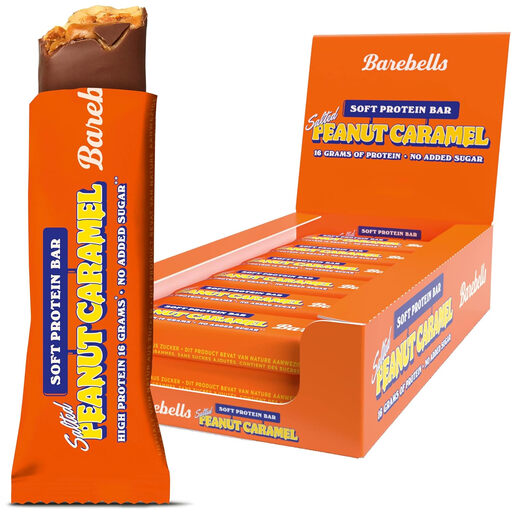
The pack contains twelve 55-g bars for individually planned snacks. For this variety, milk, peanuts, soya, collagen and sweeteners are all relevant when checking the ingredients.
 No image available
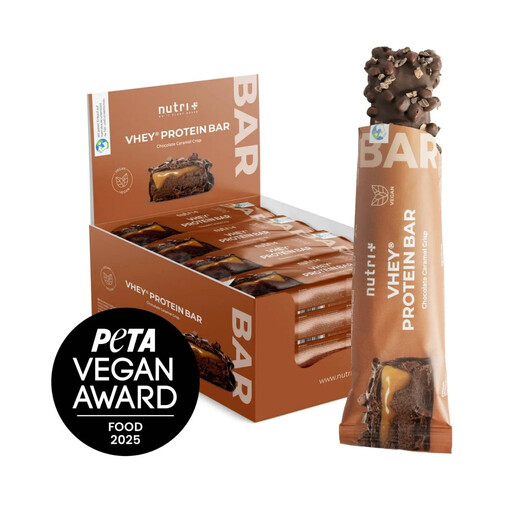
The pack contains twelve 50-g bars for pre-portioned snacks. The term ‘Whey’ and the information about plant-based protein sources don’t clearly match. If you want to avoid animal-derived ingredients, check the recipe on the pack. Also compare the sugar, energy and allergen information there.
 No image available
The pack contains twelve 55-g bars. If you shop vegan, check the full ingredients list, even though the product name includes ‘Vegan’. The protein figures differ between the highlighted product description and the nutrition table; use the information on the pack when comparing your serving. Also check for peanuts, wheat, soya and possible ‘may contain’ warnings.
 No image available
The pack contains twelve individually portioned 50-g bars. For protein comparisons, use the information on the pack, as it differs from the highlighted claim in the nutrition table. Check for peanuts, milk, soya and possible traces of other nuts when choosing.
No. The protein per bar is only one part of the comparison. Also check the energy and sugar per serving, as well as the ingredients, polyols and allergens. The Verbraucherzentrale also highlights sweeteners, additives and flavourings in protein products.
Check the ingredients list and any additional ‘may contain’ warnings for the specific variety. According to Lebensmittelverband Deutschland, allergens that must be declared are highlighted in the ingredients list. You should also take any ‘may contain’ warning into account when choosing a product.
A low sugar figure doesn’t tell you which other sweet-tasting ingredients a bar contains. Read the ingredients list and, if stated, check the amount of polyols per bar. Also follow any product-specific consumption advice.
A high-protein bar isn’t generally a necessary addition while breastfeeding. The German Nutrition Society emphasises the importance of a balanced and varied diet. A bar can be a snack, but it isn’t a substitute for personalised dietary advice if you need it.