For new parents, a protein bar can be a ready-to-eat snack between childcare, errands and exercise. It isn’t automatically an essential part of sports nutrition or a replacement for a balanced meal. The German Nutrition Society says adult recreational athletes don’t generally need more protein; while breastfeeding, it’s important to consider a snack as part of your overall diet. Compare the nutritional information per bar and check the ingredients, sweeteners and allergens for the specific variety.
Who might find a protein bar useful?
Active parents short on time
When there’s no time to prepare food between childcare, work and exercise, a ready-to-eat bar can make life easier. However, the German Nutrition Society points out that adult recreational athletes don’t automatically need more protein.
Breastfeeding parents looking for a snack
An easy snack can fit into your day, but it shouldn’t take the place of a varied diet. The German Nutrition Society recommends an additional protein reference value for breastfeeding women, while also stressing the importance of the overall diet.
People who need to check ingredients carefully
If dairy ingredients, nuts or certain sweeteners matter to you, the labelling for the specific variety is what counts. A brand name or the term ‘protein bar’ alone doesn’t tell you enough.
What should you look for when choosing one?
First, decide what you want the bar to do for you in everyday life. Then compare the portion you’ll actually eat and check the ingredients for the specific variety.
| What matters to you | What to check when buying | Who it matters most to |
|---|
| A snack around exercise |
Protein per bar and the weight of the portion you’ll eat. |
If you only have time for a ready-to-eat snack after exercise or between appointments, convenience is the priority. This need comes first for around 33% of consumers. |
| Breastfeeding and your daily diet |
Consider the nutritional information and ingredients alongside your other meals. |
If you’re breastfeeding, you may want to include an easy snack without replacing a balanced meal with a single protein figure. Around 27% of consumers prioritise this. |
| Ingredients and suitability |
Read the ingredients list, highlighted allergens and any information about sweeteners for the specific variety. |
If you need to avoid certain ingredients, the exact recipe matters more than the flavour or brand. Around 20% of consumers put this check first. |
| Comparing protein figures |
Compare the grams of protein per bar and the nutritional information per 100 g, taking the bar’s weight into account. |
If you’re comparing different bar sizes, you’ll want to know how much protein is in the portion you’ll actually eat. Around 20% of consumers prioritise this kind of comparison. |
Common comparison mistakes
-
Confusing protein percentage with protein per bar
In 2025, Lebensmittelklarheit reported on a market review that found protein claims were presented in different ways on the bars examined. Without knowing the bar’s weight, you can’t directly compare a percentage with the number of grams per bar.
Check how much protein the portion you’ll eat contains, according to the nutritional information, and take the bar’s weight into account.
-
Confusing a sugar claim with the ingredients list
Information about added sugar doesn’t tell you whether a product contains sweeteners. The German Consumer Advice Centre points out that consuming large amounts of sugar substitutes can have a laxative effect.
Read the ingredients list and check the relevant on-pack advice, particularly if you’re planning to eat more than one bar.
-
Assuming all varieties are the same
Ingredients and allergen information can vary between varieties. For example, Barebells highlights possible differences in lactose and traces of gluten in its bars.
Check the labelling for the exact variety each time you buy, rather than relying on the brand name or a variety you’ve bought before.
A guide to some brands
ESN
ESN describes its Designer Protein Bar as containing up to 15 g of protein per bar. The ‘up to’ figure is important when comparing a specific variety.
- The brand gives the amount of protein per bar.
- For ingredients, sweeteners and allergens, always check the labelling for the variety you choose.
Barebells
Barebells states that its Original Protein Bars contain 20 g of protein per bar. Other types of bar from the brand aren’t necessarily the same.
- The figure specifically applies to the Original bars.
- Barebells says that lactose, traces of lactose or traces of gluten may be relevant, depending on the bar. Check the exact variety.
Sportness
dm-drogerie markt sells Sportness protein bars with different stated protein percentages, including vegan varieties.
- You can compare the varieties using their individual nutritional information and ingredients.
- Protein content and recipes vary. Some varieties include warnings about sugar substitutes and excessive consumption.
Protein bars for everyday life
These protein bars could work as individually portioned snacks when you’re short on time. The information on the specific pack is key to choosing one, especially if you want to compare protein amounts or avoid certain ingredients.
 No image available
Barebells Vegan Protein Bar Peanut Caramel, 12 × 55 g
Individually wrapped bars make a handy snack when you’re out and about. The product title lists twelve 55 g bars; check the protein per bar on the pack when comparing products. If you need to avoid peanuts or other allergens, the current ingredients and allergen information are essential.
View on Joybuy
 No image available
Premier Protein 50% Bar Chocolate Caramel, 16 × 40 g
This bar could make a handy ready-to-eat snack. The title lists 16 bars of 40 g each. As the serving information for the product is inconsistent, check the pack size, bar weight and protein per bar on the specific pack. Also check the ingredients, allergens and any information about sweeteners.
View on Joybuy
 No image available
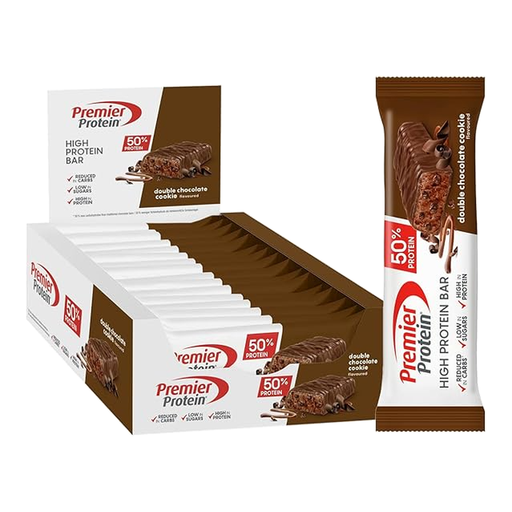
Premier Protein High Protein Bar 50% Double Chocolate Cookie, 16 × 40 g
The pack of 16 mentioned in the title could be useful for planning individual snacks. A protein figure of 50% doesn’t replace the grams-per-bar figure when comparing portions; check the nutritional information and bar weight. If you have any relevant intolerances, read the ingredients and allergen information too.
View on Joybuy
 No image available
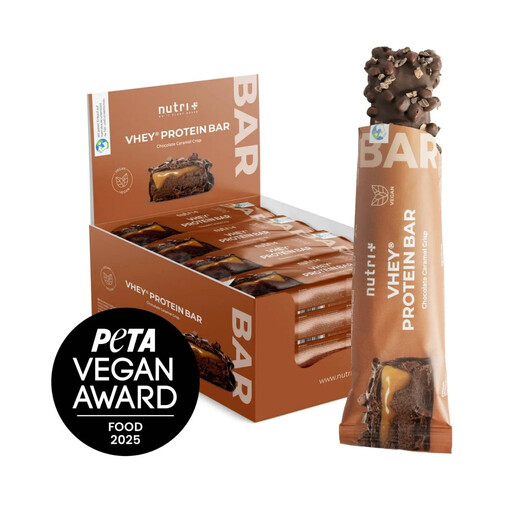
Nutri+ Whey Protein Bar Chocolate Caramel Crisp, 12 × 50 g
The title lists twelve 50 g bars, designed to be enjoyed as individual snacks. The term ‘Whey’ and the information about plant-based ingredients don’t clearly match up. If the protein source or a vegan diet matters to you, check the labelling on the specific pack. The same goes for allergens and sweeteners.
View on Joybuy
 No image available
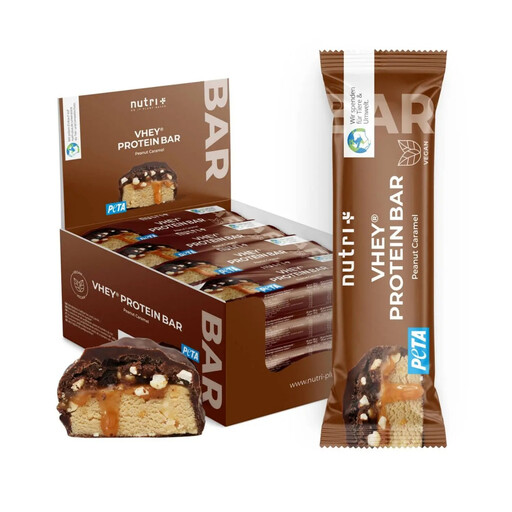
Nutri+ Whey Protein Bar Peanut Caramel, 12 × 50 g
The title lists twelve 50 g bars for individually portioned snacks. Peanuts are listed as an ingredient, so check the pack carefully if you have a peanut allergy. As the term ‘Whey’ doesn’t clearly match the information about plant-based protein sources, check the protein source and other ingredients on the specific variety.
View on Joybuy
Frequently asked questions
Do I need a protein bar for exercise as a new parent?
No. Exercise alone doesn’t mean you need a protein bar. According to the German Nutrition Society, adult recreational athletes who do 30 minutes of moderate-intensity exercise four to five times a week don’t need to increase their protein intake. A bar can still be a handy snack when there’s no time for another meal.
How should I think about protein bars while breastfeeding?
A protein bar can be a snack, but it doesn’t replace a varied diet while breastfeeding. The German Nutrition Society recommends an additional protein reference value of 23 g per day for breastfeeding women. So consider your overall daily diet rather than just the protein in one bar. If you’ve been given specific dietary advice, check your choice of product separately.
What does a warning about a laxative effect mean?
This warning is relevant for products containing certain sugar substitutes. According to the German Consumer Advice Centre, these ingredients can have a laxative effect in large amounts. Check the ingredients and on-pack information, especially if you plan to eat more than one bar.
Where can I find the allergens in a protein bar?
For prepacked foods in the EU, allergen information is required. Under European Union labelling rules, allergens are highlighted in the ingredients list. If you have an allergy, always check the labelling for the specific variety.


