For a New Year’s Eve party, the large protein percentage on the front of the pack isn’t the only thing that matters. Compare the amount of protein in each bar you’ll actually eat, and check the ingredients and allergens for your guests. If you’re also looking for a post-workout snack, consider your training routine and the rest of your diet. Sugar alcohols and differences in pack size can also affect your choice.
Who is this selection relevant to?
People who plan a snack around training
If you’re planning a bar after a workout around the time of your celebration, the grams of protein per bar are more useful than a percentage with no serving size. The German Nutrition Society says that healthy adults who exercise for no more than five hours a week do not have an increased protein requirement.
Hosts catering for guests with different needs
Individually wrapped portions are easy to put out without any preparation. However, when choosing varieties, it’s important to check the ingredients and the pack’s information about milk, soya, nuts, gluten-containing cereals and sweeteners.
People comparing nutritional values
If you want to consider sugar, carbohydrates and fibre as well as protein, check the nutritional information per 100 g and per serving. A claim such as ‘Lower Carb’ doesn’t answer every question about ingredients and tolerance.
What should you look for when buying?
First, think about who will be eating the bars. Then compare serving sizes and nutritional values. If you’re buying several varieties, check the ingredients and allergens on each pack.
| Criteria |
What to check |
Who it matters most to |
| Protein per serving |
Compare the bar’s weight and the grams of protein per bar, not just the percentage shown on the front of the pack. |
If I’m planning a post-workout snack, I want to relate its protein content to the portion I’ll actually eat. This is the main consideration for around 36% of consumers. |
| Ingredients and allergens |
Check the current pack for allergenic ingredients, may-contain statements and sugar alcohols. |
If I’m hosting guests with different needs, I want to know which ingredients are relevant to them before serving. Around 22% of consumers focus primarily on this. |
| Portion size and flavour |
Check the number of bars, individual portions and ingredients in each variety you’re considering. |
For a small gathering, I want to offer snacks that need no preparation and let guests choose from suitable varieties. Around 21% of consumers put this practical choice first. |
| Other nutritional values |
Compare sugar, carbohydrates, fibre and energy per 100 g and per serving. |
If you don’t want to choose a bar based on its protein content alone, you’ll need the other nutritional values to make your decision. This comparison takes priority for around 21% of consumers. |
Which mistakes can you avoid?
-
Confusing protein percentage with grams per bar
A percentage only tells you how much protein you’ll get in a serving when you take the bar’s weight into account. In its market review of fitness snacks, Consumer Advice Centre NRW highlights inconsistencies in how protein content is stated.
Read the nutritional information and compare the grams of protein in the portion you’ll actually eat.
-
Choosing snacks for guests based on flavour alone
Protein bars may contain milk, soya or nuts, for example, and the pack may also warn that traces of other allergens could be present. So a flavour that appeals to you won’t necessarily be suitable for every guest.
Check the labelling on each variety before serving, and keep the packs with the ingredient information to hand.
-
Assuming ‘Lower Carb’ means it will suit everyone
For some of its bars, ALDI SÜD lists sugar alcohols and warns that excessive consumption may have a laxative effect. The claim alone is no substitute for checking the ingredients and consumption advice.
Look out for sugar alcohols, check the information on the specific pack and consider the portion size you’re offering.
-
Seeing a protein bar as a must-have after exercise
Whether an additional protein-rich snack fits into your eating plan depends on more than just how much you exercise on a particular day. The German Nutrition Society says that healthy adults who exercise for no more than five hours a week do not have an increased protein requirement.
Choose a bar for the convenience it offers as a snack, and consider its protein content as part of your overall diet.
Brands and ranges to help you choose
CORNY
CORNY nussvoll Protein Chocolate combines a cereal bar with a nutty flavour profile and a stated protein content.
- CORNY states that this variety contains 25% protein. You’ll also need the bar’s weight to work out the amount in each bar you eat.
- When choosing bars for guests, the ingredients and allergen information on the current pack are what matter.
REWE PWR und REWE-Proteinriegelsortiment
The REWE range includes a variety of protein bars, including products from REWE PWR and vegan options.
- If you want to compare different flavours or types of product, you can look at the individual varieties side by side.
- Check the ingredients, allergens and availability of each variety you choose.
EDEKA Max Balance
The Max Balance Active Protein Bar White Chocolate-Vanilla is an example of a protein bar with stated nutritional values and a 50-g serving.
- EDEKA states that it contains 40 g of protein per 100 g. For a 50-g bar, that works out at 20 g of protein.
- For this product, EDEKA lists milk and soya, and possible traces of peanuts, gluten and nuts. If you’re serving it to guests, always check the current pack labelling.
ALDI SPORTS
ALDI SÜD lists the High Protein Bar Nougat in a pack of 3 × 45 g.
- The product information states that it contains 36 g of protein and 14 g of fibre per 100 g.
- The product page lists sugar alcohols, possible traces of allergens and consumption advice. Compare this information with the pack of the product you choose.
Protein bars for different snacking plans
This Joybuy selection includes individually portioned protein bars and a Protein Bite, which you can compare for a New Year’s Eve snack spread or as a planned snack around your training. Not all of these are specifically labelled as cereal bars, so check the format as well as the pack size, protein information and ingredients.
 No image available
CORNY Protein Crunchy Vanilla & White Choc, 12 × 45 g
This pack of individual bars is worth considering if you want to put out several snacks and compare the protein content per serving.
The stated protein content is 30 g per 100 g, and each bar weighs 45 g. That works out at 13.5 g of protein per bar.
The ingredients include milk, soya, hazelnuts, gluten-containing cereals and eggs. The nutritional information also lists 34 g of polyols per 100 g; check the current pack if you’re serving them to guests.
View at Joybuy
 No image available
Barebells Vegan Protein Bar Peanut Caramel, 12 × 55 g
These individual bars may suit a snack spread if you specifically want to compare the ingredients in an option described as plant-based.
The ingredients include wheat and soya protein, as well as peanuts and soya. The product highlight states 15 g of protein per 55-g bar, while the nutritional table gives 14.3 g. Check the value on the current pack.
Also check the stated warnings about possible traces of other allergens.
View at Joybuy
 No image available
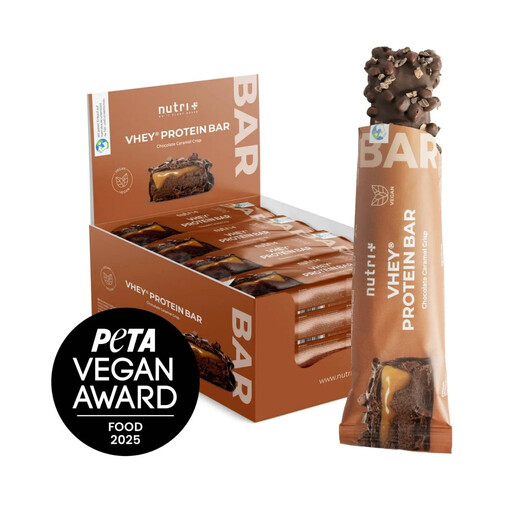
Nutri+ Whey Protein Bar Chocolate Caramel Crisp, 12 × 50 g
The box of 12 gives you individual portions to compare if you want to know the stated protein content per bar for your party.
The product description states 13 g of protein per 50-g bar, and lists pea and hemp protein, maltitol and sucralose. The word ‘Whey’ in the name doesn’t clearly match the protein sources described. Check the ingredients and suitability for your guests on the current pack.
View at Joybuy
 No image available
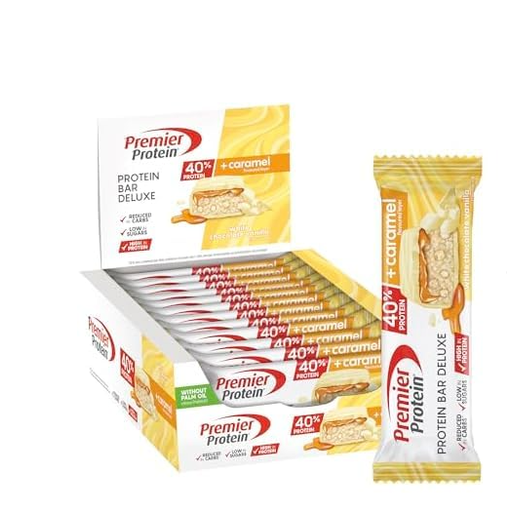
Premier Protein Protein Bar Deluxe 40% White Chocolate Vanilla, 50 g
You can assess the bar as a 50-g snack based on its stated protein percentage. For party planning, first check how many bars are actually in the pack.
The title says 12 × 50 g, but the description also says one piece. Check the pack contents before buying.
Milk and soya are listed, along with possible traces of nuts and gluten-containing cereals, as well as maltitol and sorbitol. Check the current labelling before serving.
View at Joybuy
 No image available
Power System 32% Protein Bite Power Banana, 35 g
The 35-g portion is worth considering if you’re looking for a smaller protein snack and don’t specifically need a cereal bar.
The stated protein content is 32 g per 100 g, which works out at 11.2 g of protein in 35 g. Check the other nutritional values, ingredients and allergens on the pack when comparing it with other snacks.
View at Joybuy
Frequently asked questions
How do I compare 25% protein with 20 g of protein per bar?
Use the percentage and the bar’s weight in grams to work out the amount of protein in the portion you’ll eat, then compare the amounts. In a 50-g bar, 20% protein works out at 10 g, not 20 g. Consumer Advice Centre NRW also highlights this difference.
Do I need a protein bar after exercise?
A protein bar isn’t essential after exercise. The German Nutrition Society says that healthy adults who exercise for no more than five hours a week do not have an increased protein requirement. Your overall diet and the portion you want also matter when choosing a snack.
What should I check before offering protein bars to guests?
Before putting out the bars, check the current ingredients list, allergen labelling and any information about sugar alcohols for each variety. EDEKA’s example of a Max Balance bar lists milk and soya, as well as possible traces of allergens. For some bars, ALDI SÜD warns that excessive consumption may have a laxative effect.


