Night-shift workers who plan their training
If you’re planning to have a bar around your training and shift, the amount of protein in the portion you actually eat matters. The per-100 g figure alone doesn’t answer that question.


When choosing a protein bar for a night shift, the amount of protein per bar tells you more than a percentage on the front of the pack. Also compare sugar, polyols, ingredients and allergen information: a low sugar content doesn’t tell you whether you’ll tolerate the sweeteners. A bar like this can be a convenient snack, but it isn’t essential for a balanced diet.
If you’re planning to have a bar around your training and shift, the amount of protein in the portion you actually eat matters. The per-100 g figure alone doesn’t answer that question.
If you want a sweet snack during your shift, you’ll want to compare sugar and carbohydrates without overlooking polyols such as maltitol.
Protein sources, sweeteners and information about milk, soya, peanuts, gluten and possible traces are important to you. Always refer to the labelling on the specific pack you buy.
Start with the amount of protein per bar. Then check the other nutritional information and ingredients against your own requirements before planning to have the snack during a shift.
| Criteria | What to check | Who is it important for? |
|---|---|---|
| Protein per bar | Compare the amount of protein with the weight of the bar; if the information is given per 100 g, take the actual portion into account. | If I’m planning a snack around my training, I want to know how much protein is in a single portion. Around 42% of consumers put this need first. |
| Sugar and sweeteners | Check sugar and carbohydrates per portion, as well as polyols and any consumption advice. | If I want a sweet snack during my shift, I want to put the sugar content into perspective without overlooking sweeteners I may not tolerate. This is a priority for around 33% of consumers. |
| Ingredients and allergens | Read the protein source, ingredients list and allergen information, including any warnings about traces, on the pack. | If I need to avoid certain ingredients, the labelling takes priority over the protein figure. For around 25% of consumers, suitability is the most important selection criterion. |
For the Corny Protein Soft Peanut Caramel listed by EDEKA24, 30 g of protein per 100 g works out at around 13.5 g in a 45 g bar. By comparison, REWE lists 20 g per 40 g bar for Premier Protein Chocolate Caramel.
Compare the protein content of the whole bar, and bear its weight in mind.
REWE lists 0.7 g of sugar in Premier Protein Chocolate Caramel, but also 9.6 g of polyols per 40 g bar. The retailer warns that excessive consumption may have a laxative effect.
As well as the sugar content, read the ingredients and consumption advice. Don’t try a bar for the first time during a shift when any discomfort would be particularly problematic.
The protein bars listed differ in their ingredients and possible traces. Information for one variety does not necessarily apply to other versions.
Before eating, check the ingredients and allergen information on the pack you’ve actually bought.
The German Federal Centre for Nutrition points out that high-protein products are generally unnecessary as part of a balanced diet. A single bar also doesn’t answer the question of what you want to eat and drink over the course of your whole shift.
If you choose to have one, plan it as a snack rather than a replacement for your other food.
REWE positions REWE PWR as its own range of protein products, including protein bars.
The information for the Chocolate Caramel bar listed by REWE makes it possible to compare nutritional values per portion.
Corny Protein Soft Peanut Caramel may suit consumers looking to compare bars containing peanuts.
The range includes different protein bars. Check the information for the specific variety you’re considering.
The nutritional information for the Designer Bar listed by EDEKA24 can be used as a starting point when comparing portions of each variety.
This selection includes individually wrapped protein bars for a snack during a night shift. The varieties differ in bar weight, flavour and the stated protein content, among other things. Compare the nutritional and ingredient information for each pack to help you decide.
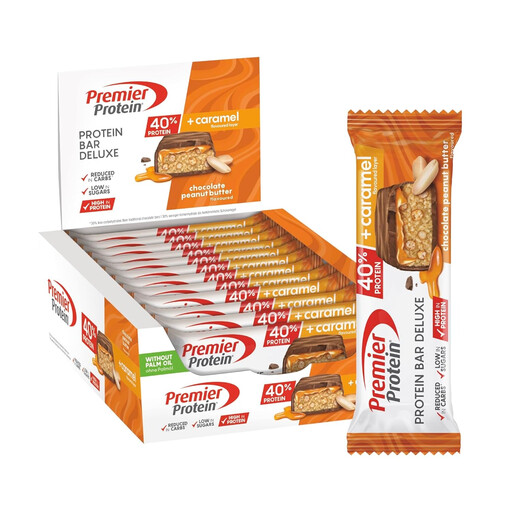 Image unavailable
An option if you’re planning individually portioned bars for your shift. As well as the protein per 50 g bar, check the sugar, sweeteners and ingredients on the pack for this variety.
 Image unavailable
The 40 g bar can be planned as an individual snack portion. If you’re choosing it because it’s labelled ‘Low Carb’, compare the carbohydrates per bar and also read the information about sweeteners and allergens.
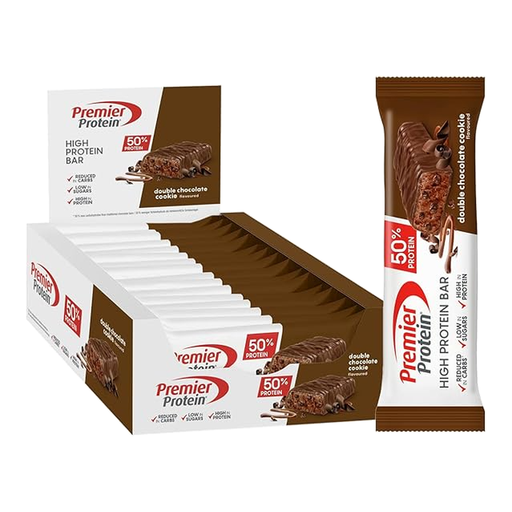 Image unavailable
This pack contains 40 g bars for individually planned snacks. When comparing it with other varieties, the protein per bar is more useful than the percentage in the name. Also check the sugar, ingredients and consumption advice.
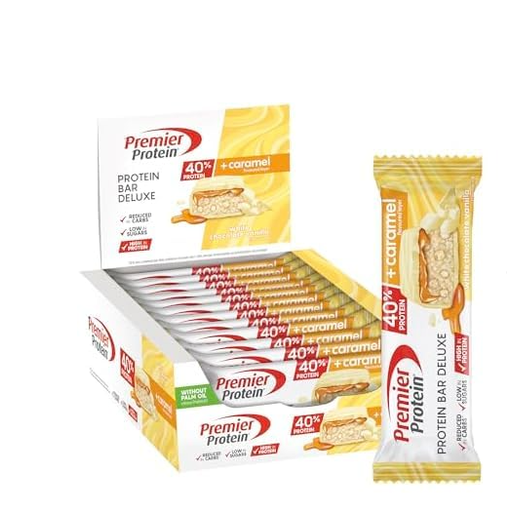 Image unavailable
This variety comes in individually wrapped 50 g bars, making it easy to plan as a snack portion. Read the nutritional information per bar before comparing the protein claim in the name with that of a bar of a different weight, and check the ingredients too.
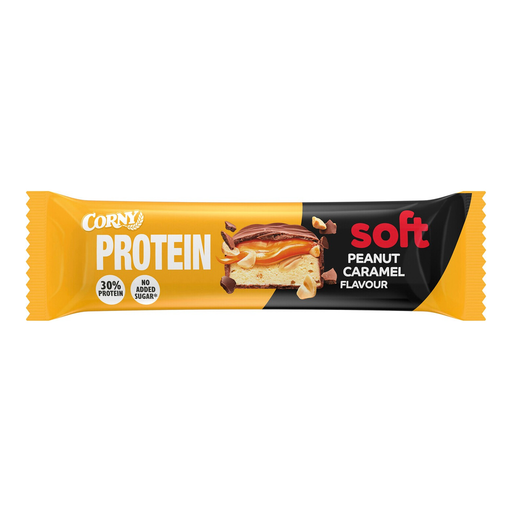 Image unavailable
An option for consumers looking for a peanut caramel bar as a snack during their shift. If sugar or allergens are important to you, check the information on the specific pack and compare the nutritional values per 45 g bar.
Compare the amount of protein per bar alongside the weight of each bar. The per-100 g figure is useful, but it doesn’t directly tell you how much is in the portion you’ll eat during your shift.
No, a high-protein bar isn’t essential for this. The German Federal Centre for Nutrition considers these products generally unnecessary as part of a balanced diet, although an individually portioned snack can still fit into your food plans when you’re out and about.
No, the sugar content alone isn’t enough to help you choose. Some bars contain polyols, so read the ingredients and consumption advice too, and consider how you tolerate the specific product.
The ingredients and allergen information on the specific pack you’ve bought are what matter. The varieties discussed here include ingredients such as milk, soya, peanuts and collagen, as well as warnings about possible traces of other allergens. Information for one variety doesn’t apply to all protein bars.