Calorie-conscious office snackers
If you want to put individually portioned snacks in the biscuit tin, focus first on the energy in each whole bar. A protein claim or ‘no added sugar’ label is no substitute for checking the nutritional information.


For an office biscuit tin, choose protein bars based on the energy in the bar you’ll actually eat, not just the protein claim or the words ‘no added sugar’. Then compare portion size, protein content and ingredients. If the tin is shared, make sure the allergen information for each variety is easy to access.
If you want to put individually portioned snacks in the biscuit tin, focus first on the energy in each whole bar. A protein claim or ‘no added sugar’ label is no substitute for checking the nutritional information.
If you’re looking for a sweet bar with a stated protein content for your office break, compare the figures per serving. Flavour, recipe and energy content can vary between varieties.
If the tin is shared, make sure the ingredients and allergen information for every variety are easy to check. This includes milk, soya, peanuts, nuts and cereals containing gluten, as well as information about sweeteners.
For the office biscuit tin, first check the actual portion size and its energy content. Then decide whether protein content, ingredients or a particular dietary preference should guide your choice.
| Criteria | What to check | Who should pay particular attention? |
|---|---|---|
| Energy per bar | Compare the kcal per whole bar and its weight; don’t confuse figures per 100 g with those for a single portion. | If I take just one bar from the tin, I want to know how much energy that portion contains. Around 36% of consumers put this portion-by-portion comparison first. |
| Protein content | Check the grams of protein per bar alongside the portion size, rather than looking only at the percentage of protein. | I want to be able to clearly see the protein content of an individual snack for my planned office break. Around 21% of consumers prioritise this. |
| Ingredients and sweeteners | Check the ingredients list and any information about sugar substitutes and excessive consumption. | If the tin is left open regularly, I want to know the ingredients and any information about tolerance before taking a bar. For around 29% of consumers, these are the main criteria. |
| Dietary requirements and allergens | Check the specific variety’s ingredients, allergen and may-contain information, and any vegan labelling where relevant. | If the tin is shared, I need to be able to tell whether a bar meets my ingredient and allergen requirements. Around 14% of consumers put this check first. |
This claim doesn’t tell you the total energy in a bar. Barebells explicitly states that its protein bars are not low-calorie or reduced-calorie.
Compare the kcal for the whole bar before choosing a variety for the tin.
According to the Verbraucherzentrale, sugar substitutes can have a laxative effect in larger amounts. The product information for the Multipower Protein Layer Bar includes a relevant warning.
Keep the ingredients list and warnings accessible with the bars, especially if several people choose from the tin.
Ingredients and allergen information vary by variety. Without the relevant labelling, colleagues can’t reliably identify which bar is which.
Keep the bars with their labelling and check the information on each wrapper before sharing them.
Barebells offers classic, soft and plant-based protein bars. Check the nutritional information for the variety and portion size you choose.
The Protein Layer Bar displays nutritional information for a specified single serving.
The brand’s range includes the Carb Control protein bar, which it says contains 45% protein.
ESN offers Designer Protein Bars; the brand says the range contains up to 15 g of protein per bar.
These individually portioned Barebells varieties can be considered for the office biscuit tin based on their pack sizes. Before choosing, compare the latest nutritional information per bar, and keep the ingredient labelling accessible if the tin is shared.
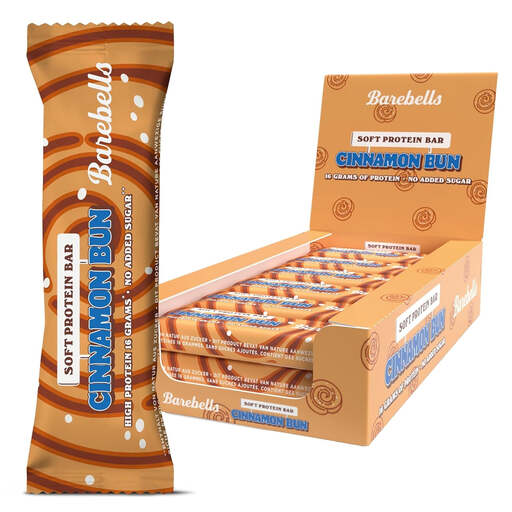 No image available
An individually portioned option for the office biscuit tin if you want to compare the nutritional information for each bar.
The pack contains 12 bars, each weighing 55 g.
Before sharing, check the pack for ingredients, allergen information and details of sweeteners.
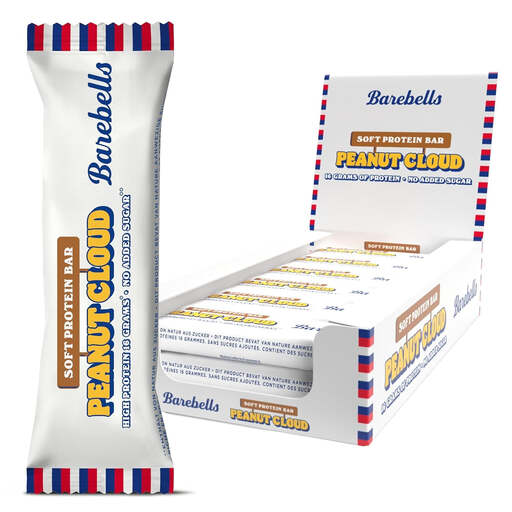 No image available
This variety is worth considering if you’re looking for individually portioned bars for the office tin.
The pack contains 12 bars, each weighing 55 g.
If the tin is shared, keep the variety’s ingredients and allergen labelling accessible.
 No image available
If you’re considering Cookies & Cream for the office tin, check the nutritional information for a whole bar.
The pack contains 12 bars, each weighing 55 g.
Check the pack’s ingredients and allergen information before putting the bars out.
 No image available
These individually portioned bars can be compared as snack portions for the office tin.
The pack contains 12 bars, each weighing 55 g.
For a variety with peanut in its name, it’s especially important to check the ingredients and allergen information on the specific pack.
 No image available
This variety is explicitly labelled vegan, making it relevant to anyone looking for plant-based options in the office tin.
The pack contains 12 bars, each weighing 55 g.
Vegan doesn’t mean allergen-free. Check the ingredients and allergen information; for comparing protein content, use the latest nutritional information on the pack.
No. ‘No added sugar’ doesn’t tell you the bar’s total energy content. Barebells explicitly states that its bars are not low-calorie or reduced-calorie, so compare the kcal per whole bar.
There’s no set number based on the product category alone. Check the portion and nutritional information, as well as any warnings about excessive consumption. The Verbraucherzentrale considers additional protein generally unnecessary for meeting protein needs in Germany.
Keep the labelling on each bar accessible and follow the storage instructions on the relevant pack. For example, the Multipower Protein Layer Bar is recommended to be stored in a cool, dry place; instructions may vary for other varieties.
Check the ingredients and allergen labelling for the specific variety, particularly for milk, soya, peanuts, nuts and cereals containing gluten. Even if a bar is labelled vegan, you should still check this information.