Calorie-conscious office snackers
If you’re planning to have a bar as a single snack portion, what matters is the energy in the whole bar. Its weight and kcal per 100 g can help you compare bars if the pack doesn’t give a figure per bar.


If you’re choosing a protein bar as a calorie-conscious office snack, first compare the kcal in the bar you’ll actually eat, rather than looking only at the figures per 100 g. If protein content is your main priority, also check the grams of protein per bar. Ingredients, allergens and guidance on sweeteners may affect your choice, regardless of either nutritional value.
If you’re planning to have a bar as a single snack portion, what matters is the energy in the whole bar. Its weight and kcal per 100 g can help you compare bars if the pack doesn’t give a figure per bar.
If you’re having a snack between appointments, the amount of protein in the portion you eat is more informative than a large percentage on the front of the pack. The NRW Consumer Advice Centre notes that grams and percentages can easily be confused.
If you have allergies or need to consider sugar alcohols, the information for the specific variety is key. Check the ingredients, allergen labelling and consumption advice even when buying a bar again.
First decide whether portion calories, protein content or ingredients matter most for your office snack. Then compare the information for the exact bar you plan to eat.
| Criteria | What to check | Who is it important for? |
|---|---|---|
| Calories per bar | kcal per bar; if this isn’t given, check the bar’s weight and kcal per 100 g. | If I’m planning a small snack at the office, I want to know the energy content of the whole portion. Around 36% of consumers put calories per portion first. |
| Protein per portion | Grams of protein per bar, rather than just a percentage. | If I’m taking a bar along mainly for its protein content to eat between appointments, I want to know how much protein I’ll actually be eating. Around 29% of consumers prioritise protein per portion. |
| Ingredients and suitability | Allergens, may-contain information, sugar alcohols and consumption advice for the specific variety. | If I need to avoid certain ingredients or keep an eye on sugar alcohols, I check the packaging before deciding. Around 21% of consumers put suitability ahead of nutritional values. |
| Pack size and stocking up | Number of bars, portion size and information on the pack you’re buying. | If I’m planning regular office snacks, I want to have suitable individual portions in stock. For around 14% of consumers, planning supplies is the main priority. |
In a 50 g bar, 20% protein does not mean 20 g of protein. The NRW Consumer Advice Centre highlights the difference between these figures.
Check the grams per portion in the nutritional information, or calculate it from the figure per 100 g and the weight of the bar.
A claim about protein or sugar doesn’t also tell you the kcal in the portion you eat. Fat, other nutritional values and ingredients are also relevant when comparing bars.
Compare the energy per portion first, then check the nutritional values that matter for your buying criteria.
The varieties reviewed differ in their ingredients and allergens. Several carry a warning that excessive consumption may have a laxative effect.
Check the current packaging for every variety, especially if allergens or sugar alcohols are relevant to you.
For an ALDI SPORTS High Protein bar, ALDI SÜD notes that products from different suppliers may have different nutritional values.
For this bar, check the information on the pack you actually intend to buy.
Sportness protein bars come in different portion sizes and have varying protein figures, so it’s important to check the specific variety.
It’s worth comparing individual ESN varieties: the information for one variety doesn’t necessarily apply to other ESN bars.
ALDI SPORTS includes protein bars in multipacks, among other products. The pack format doesn’t replace the need to compare individual bars.
These two bars can work well as individually portioned office snacks. To keep track of your calorie intake, compare the figures per bar and check the ingredients and allergens on the relevant pack.
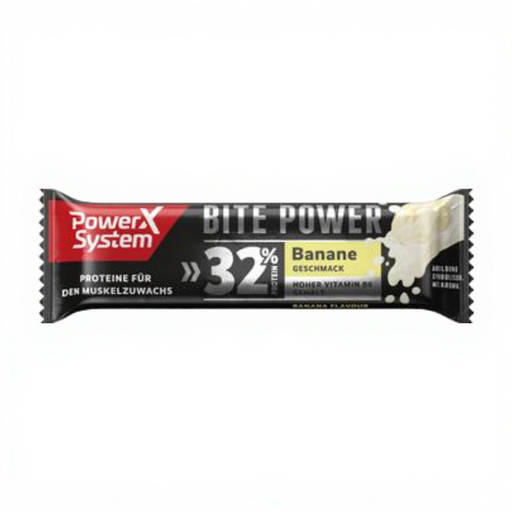 No image available
The 35 g size is a good fit if you’re planning to have an individual bar during your office break.
To check it meets your snack goals, compare the kcal per bar and check the ingredients, sweeteners and allergens on the pack.
 No image available
This pack of individually portioned bars could be a handy option if you’re planning to stock up for the office.
It contains 12 bars, each weighing 45 g. Before buying, check the kcal and protein per bar, as well as the ingredients, allergens and consumption advice.
Compare the kcal per bar if you plan to eat a whole bar each time. If the pack only gives the figure per 100 g, you’ll also need the weight of the bar to calculate the energy per portion.
No, the percentage isn’t the number of grams per bar. Check the figure in grams per bar; the NRW Consumer Advice Centre warns that these different ways of presenting protein can be confusing.
That depends on the specific recipe, how much you eat and how well you tolerate it. Read the ingredients and consumption advice on the pack. Several of the varieties reviewed carry a warning about a possible laxative effect if eaten in excess.
No, a claim about sugar doesn’t tell you the energy content. Compare the kcal per bar you’ll eat, and check the other nutritional values and ingredients list if needed.