People who train and want to check their protein intake
If you want to take a bar with you as a post-workout snack or when you’re out and about, the protein content per bar is more useful than the claim on the front of the pack alone.


When shopping in an organic shop, it comes down to what matters most to you. For an organic protein bar, check its organic certification and ingredients; if protein content is your priority, compare the nutritional information per 100 g and per bar. Organic, vegan and high in protein describe different qualities. None of them, on its own, tells you about sugar, allergens or portion size.
If you want to take a bar with you as a post-workout snack or when you’re out and about, the protein content per bar is more useful than the claim on the front of the pack alone.
You’re looking for plant-based ingredients and clear organic certification. Check the product itself: the organic logo, control body code and ingredients list each tell you something different.
If nuts, peanuts, traces of milk, sugar or sweeteners are important to your choice, check the ingredients list, allergen information and nutritional values for the specific variety.
First, decide whether protein content, organic certification or specific ingredients matter most to you. Then compare the information on the packs of the bars that meet your needs.
| What matters to you | What to check when buying | Who it matters to |
|---|---|---|
| Protein content | Compare protein in g per 100 g and per bar, as well as the bar’s weight. | If I want a snack for around my workout, I need to know how much protein the portion actually contains. Protein content is likely to be the top priority for around 33% of shoppers with this goal. |
| Organic certification | Check the EU organic logo, control body code and country of origin on the pack. The European Commission lists these as elements of organic labelling. | If I’m specifically buying an organic bar, packaging that simply looks natural isn’t enough. Clear organic certification is likely to be the priority for around 27% of shoppers. |
| Ingredients and suitability | Check the ingredients, highlighted allergens and may-contain warnings. If needed, also check the sugar content per 100 g and the sweeteners used. | If a variety contains ingredients I need to avoid, it’s out of the running regardless of its protein content. Ingredients and suitability are likely to be the top buying priority for around 20% of shoppers. |
| Everyday portion size | Check the bar’s weight and protein per portion. Information per 100 g alone doesn’t tell you how much you’ll actually eat. | When I’m out and about, I want to choose a portion size with nutritional information that suits how I plan to use it. Everyday convenience is likely to come first for around 20% of shoppers. |
Organic certification doesn’t tell you how much sugar or protein a bar contains. For the KoRo Protein Bar Hazelnut, dm lists 25 g of protein and 27 g of sugar per 100 g.
Check the organic information and nutritional table separately before choosing between two bars.
A vegan bar can still contain nuts or peanuts. For the PURYA! Protein Bar Hazelnut Brownie, dm lists hazelnut and peanut ingredients, as well as warnings about possible traces of other allergens.
If you need to avoid certain ingredients, check the labelling for the specific variety rather than relying on the vegan claim alone.
The Verbraucherzentrale (German consumer advice centre) notes that consuming large amounts of sugar substitutes can have a laxative effect. ROSSMANN includes a similar warning about excessive consumption for the WellMix 60% Protein Bar Vanilla Flavour.
Read the ingredients list and warnings, particularly if you plan to eat several bars.
A protein bar can be a handy snack when you’re out and about, but it isn’t automatically necessary to meet your protein needs. The Verbraucherzentrale explains that you can also get enough protein from everyday foods.
Choose a bar based on the portion you actually want and when you plan to eat it, not just because it says protein on the pack.
The KoRo Organic Protein Bar Hazelnut, vegan, 60 g, is an example of a plant-based organic bar with stated nutritional values.
Bio Clean Protein Bar Peanut Love is a plant-based organic option with protein content stated per bar.
The Protein Bar Hazelnut Brownie, vegan, 45 g, is another organic option to compare on the shelf.
RAWBITE offers fruit and nut bars in a range of varieties, each with different qualities. When comparing protein, the specific variety matters.
These protein bars are a useful starting point for comparing pack sizes and stated protein content. If you’re specifically looking for an organic bar, also check the EU organic logo, control body code and ingredients on the individual pack.
 Image unavailable
For shoppers who want to take individually portioned bars with them as a snack.
The product name specifies 12 bars, 50 g each. Check the nutritional and allergen information on the pack if needed.
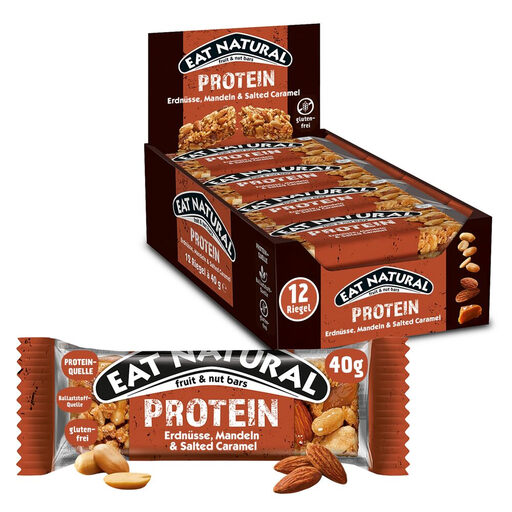 Image unavailable
For shoppers who want to compare a pack of individually portioned bars.
The product name specifies 12 bars, 40 g each, and lists peanuts and almonds. If you have allergies, read the full product labelling.
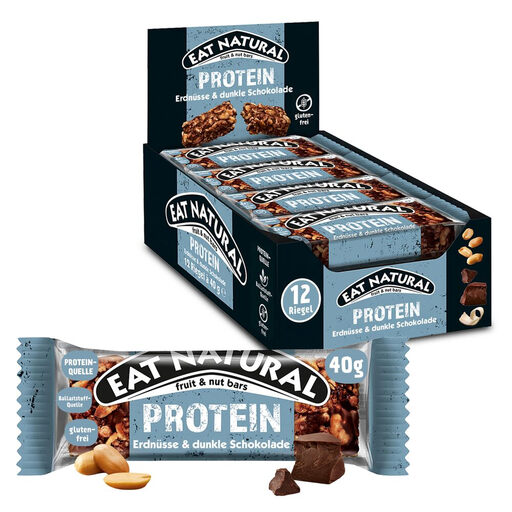 Image unavailable
For shoppers looking for a peanut and chocolate option in 40 g portions.
The product name specifies 12 bars, 40 g each. For a protein comparison, check the nutritional information on the specific pack.
 Image unavailable
For shoppers who want to compare a variety labelled as a 50% Bar with other protein bars.
Check the protein content per 100 g and per portion on the pack. Before buying, also check the bar’s weight and pack size, as the stated quantities for this variety differ.
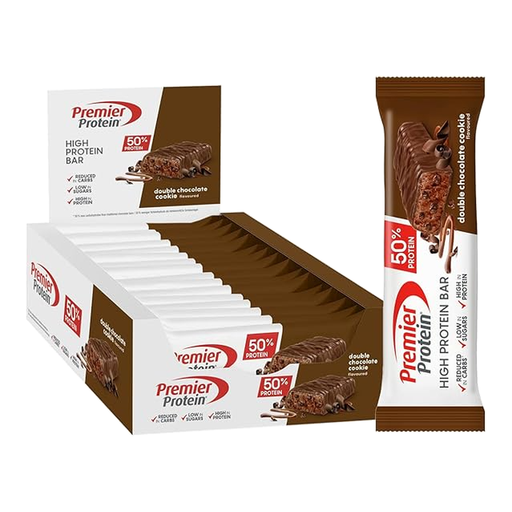 Image unavailable
For shoppers who want to check the ingredients and sweeteners in a protein-focused bar.
Compare the nutritional information on the specific pack and check the pack size before buying: the stated number of bars for this variety is inconsistent.
For prepacked food produced in the EU and sold as organic, look for the EU organic logo. According to the European Commission, the control body code and the origin of the agricultural ingredients should also appear next to the logo.
No. The claim alone doesn’t answer questions about sugar, allergens, portion size or organic certification. Under the EU regulation on nutrition claims, “high protein” means that at least 20% of the food’s energy value comes from protein. To make your choice, you should also check the information per 100 g and per bar.
Follow the storage instructions on the pack for the specific variety. For the KoRo Protein Bar Hazelnut, dm recommends storing it in a cool, dry place away from light.
A protein bar isn’t automatically necessary. The Verbraucherzentrale explains that you can also meet your protein needs with everyday protein-rich foods, although a bar can still be a convenient snack when you’re out and about.