If you’re mindful of portion size
You want to take a bar as a picnic snack and compare the energy per bar, rather than relying only on the figures per 100 g.


To choose a protein bar with its calorie content in mind for a summer picnic, start by comparing the kcal per bar and the protein content for the same portion. The options covered also vary in their ingredients and allergens; for your day out, check the storage instructions for the specific variety too.
You want to take a bar as a picnic snack and compare the energy per bar, rather than relying only on the figures per 100 g.
You compare the grams of protein per bar with its energy content. The product examples featured provide between 15 g and 19 g of protein per bar.
Before buying, you check the sweeteners, sugar alcohols, allergen labelling or whether a variety is specifically labelled as vegan.
Start with the portion you actually plan to eat. Then compare the protein and ingredients of that variety, and check the storage instructions before taking it with you.
| Criteria | What to check | Who it matters to |
|---|---|---|
| Energy per bar | Compare the kcal and weight of the portion you’ll eat; figures per 100 g alone aren’t enough. | If I’m planning to have just one bar as a picnic snack, I want to know how much energy that portion contains. For around 33% of consumers, energy per bar is the top priority. |
| Protein per portion | Compare the grams of protein and the kcal for the same bar. | The protein in my snack matters more to me than choosing the portion with the lowest energy content. Around 25% of consumers prioritise the protein content per bar. |
| Sugar and sweeteners | Read the ingredients, sugar information and warnings, particularly for bars containing sugar alcohols such as maltitol. | For a longer day out, I want to know which sweeteners are in the bar and whether I can tolerate them. This is a priority for around 25% of consumers. |
| Taking it with you and ingredients | Check the storage instructions, as well as the allergen and, where relevant, vegan labelling for the specific variety. | If I’m taking a bar outdoors, I need to consider how to store it and, if necessary, which ingredients are relevant to me. Around 17% of consumers put these requirements first. |
A claim about added sugar doesn’t tell you the energy content of the whole bar. For solid foods, EU Regulation (EC) No 1924/2006 sets a limit of no more than 40 kcal per 100 g for a ‘low energy’ claim.
Compare the kcal per bar for your snack, and don’t use ‘no added sugar’ as a substitute for the nutritional information.
Maltitol is found in several of the bars covered here. Germany’s consumer advice centres note that sugar substitutes can have a laxative effect when consumed in large quantities.
Read the ingredients and warnings for the variety you choose, especially if you plan to eat more than one bar on your picnic.
Ingredients and possible traces vary between varieties. For example, a bar labelled vegan may still contain wheat or soya.
If you need to avoid particular allergens, always check the labelling on the specific pack; the brand name or a claim on the front of the pack isn’t enough.
Barebells offers several ranges of protein bars. According to the brand, its Salty Fudge Spread and Hazelnut Spread varieties each contain 15 g of protein per 45-g bar; the brand lists 164 and 167 kcal per bar respectively.
dm sells its Lower Carb Bar Lemon Cheesecake as a 40-g protein bar containing 45% protein and 0.7 g of sugar per bar.
dm lists 19 g of protein per 50-g portion for its Milky Candy Cream protein bar.
dm sells a Sportness protein bar in Yoghurt-Cereal flavour, in a 40-g size and with 33% protein.
This selection includes protein bars in a range of portion sizes and multipacks for a summer picnic snack. Check the nutritional information, ingredients and storage instructions on the pack for each variety.
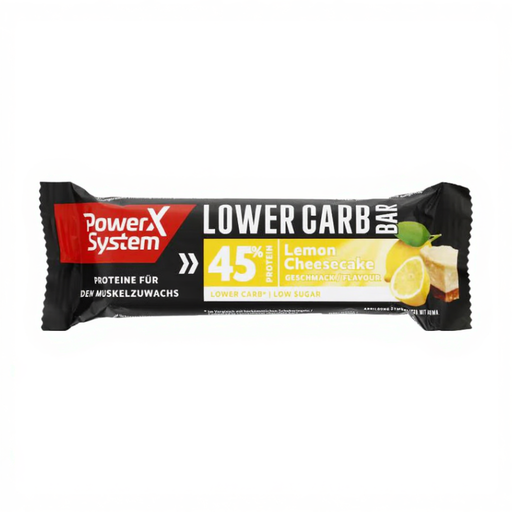 Image unavailable
If you’re looking for a 40-g portion to take on your day out, compare the kcal and protein per bar for this variety.
Before buying, check the ingredients, allergen labelling and storage instructions on the pack.
 Image unavailable
This flavour is also available as a 40-g bar, making it an option if you’d like to take a single portion with you.
Compare its own nutritional information and ingredients with those of the Lemon Cheesecake variety rather than assuming they’re the same.
 Image unavailable
This 35-g bar is an option if you’d prefer to take a smaller single portion with you.
The product name states 32% protein; kcal per bar and the ingredients and allergen labelling are also important when deciding whether to buy.
 Image unavailable
The pack of twelve 55-g bars is an option if you need individually portioned snacks for several occasions.
Compare the nutritional values per 55-g bar, not per pack, and check the storage instructions for taking them with you.
 Image unavailable
The multipack contains 45-g bars, making it a good fit if you’re planning snacks for several occasions.
The product name states 30% protein. Still, compare the energy and ingredients per bar, and check the allergen information.
For solid foods, EU Regulation (EC) No 1924/2006 sets a limit of no more than 40 kcal per 100 g for this claim. When comparing protein bars, also check the kcal in the portion you actually plan to eat; a smaller bar isn’t ‘low energy’ simply because it’s smaller.
No, the claim doesn’t describe the total energy content. Check the kcal per bar and the ingredients list separately; if the bar contains sugar substitutes, it’s also important to read the warnings.
Follow the storage instructions for the specific variety. For the dm bars described, these include storing them in a cool, dry place or away from light, and protecting them from direct sunlight. Check the information on your pack before heading out.
No. Barebells lists wheat and soya protein in one of its vegan varieties. If you need to avoid allergens, carefully read the ingredients and allergen information for the specific variety you’re planning to buy.