For a protein-focused snack on the go
If you’re looking for a compactly wrapped snack with a stated protein content, the protein per bar, portion size and ingredients of the specific variety are key.


When choosing a protein bar as a snack on the go, the protein claim isn’t the only thing that matters. First, choose a portion size that suits you, then check the nutritional information per bar, the ingredients and the allergen advice. A higher protein content may suit your snacking goals, but on its own it doesn’t tell you whether the rest of the recipe is right for you.
If you’re looking for a compactly wrapped snack with a stated protein content, the protein per bar, portion size and ingredients of the specific variety are key.
A variety labelled accordingly may be suitable. Also check the ingredients and the packaging for advice about peanuts, soya and possible traces of other allergens.
If you’d like to take a bar with you now and then, compare the sugar, sweeteners, portion size and allergens as well as the protein content.
For protein bars on the go, a handy portion is just the starting point. Next, compare the nutritional information and ingredients of the variety you’re actually planning to buy.
| What matters to you | What to check when buying | Who might find this especially important |
|---|---|---|
| Single portion for on-the-go | Grams per bar and whether it’s sold individually or in a multipack; if buying spontaneously, check the specific variety in store. | I want to be able to pop a bar straight into my bag, so portion format comes first. This is the main consideration for around 31% of consumers. |
| Protein content | Protein per 100 g and per bar, as well as the weight of an individual portion. | If the protein content of my snack matters particularly to me, a percentage without the portion size isn’t enough. Around 23% of consumers focus on this. |
| Ingredients and suitability | Ingredients, highlighted allergens, may contain warnings and, where applicable, sweeteners on the specific pack. | I need a recipe that suits my requirements and don’t want to rely solely on claims such as vegan or lactose-free. This is a priority for around 23% of consumers. |
| Nutritional information and portion size | Sugar, fat and protein per 100 g and per bar, considered alongside the portion size. | Before choosing, I want to know what’s in a whole portion rather than just look at the claim on the front. Around 23% of consumers prioritise this comparison. |
A stated protein content doesn’t tell you about sugar, fat, energy content or ingredients. The Consumer Advice Centre recommends looking at nutritional information in the context of the full product label.
Compare the nutritional information per 100 g and per bar before choosing a variety.
A vegan option may contain peanuts or soya. Bars that are low in sugar may contain sugar substitutes, which the Consumer Advice Centre says can have a laxative effect in larger amounts.
Read the ingredients, allergen and may contain advice, as well as any consumption guidance, on the exact pack you’re buying.
A larger bar doesn’t necessarily contain the right amount of protein for you just because it weighs more. A percentage alone also doesn’t tell you how much protein is in an individual bar unless you know the portion weight.
Compare the bar weight with the protein per portion; use the information per 100 g to compare bars of different sizes.
Ranges can vary between branches and promotions. EDEKA also points out that information on a product page may differ from what’s on the packaging.
If you’re going to the shop for a particular variety, check that it’s available and read the current pack in store.
These examples show different portion sizes and recipes from individual product ranges. The details don’t necessarily apply to every variety from a brand.
Protein bars listed by dm include a 40-g bar with 40% protein and a 40-g variety labelled vegan and lactose-free with 30% protein.
Protein bars from the brand listed by dm are available in formats including 55-g and 60-g bars.
ROSSMANN’s own-brand range includes a Chocolate Flavour protein bar in a 35-g individual portion.
EDEKA’s own-brand range includes protein bars in different portion sizes, including a 50-g variety with a stated 40% protein.
ALDI SÜD lists individual bars and multipacks in this range, including a 3 × 45 g format.
This selection includes protein bars in individual portions and multipacks, for snacks on the go or to keep in stock. Check the ingredients and nutritional information for each variety; with a multipack, it’s also important to check the actual number of bars.
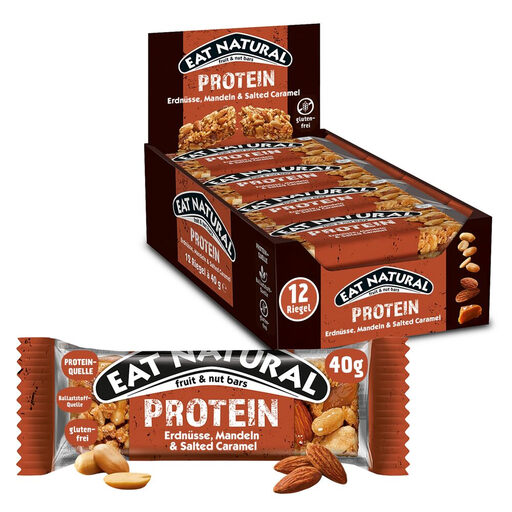 No image available
The 12-pack of 40-g bars may suit you if you’d like to stock up on portions to take with you.
Check the ingredients and allergen advice on the specific pack, particularly if peanuts or almonds are a concern for you.
 No image available
The 45-g bars in a 12-pack are a handy option if you’re looking for portioned snacks to take with you.
The product title states 30% protein. If the sugar content matters to you, check the full nutritional information and ingredients list on the pack as well.
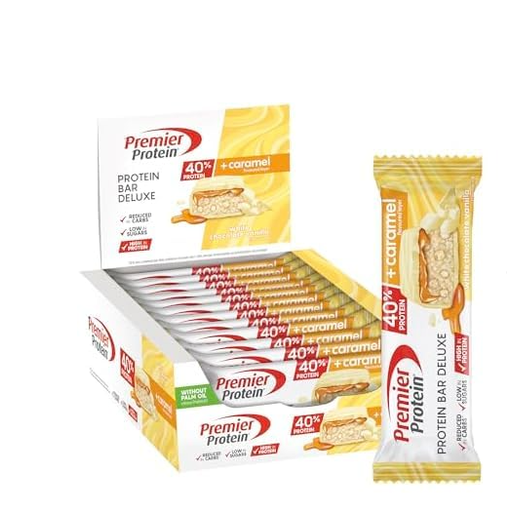 No image available
This bar may suit you if you want to compare the stated protein content of a 50-g portion.
The product title states 40% protein and a 12-pack. Also check the sugar content, ingredients and allergen advice for the specific variety.
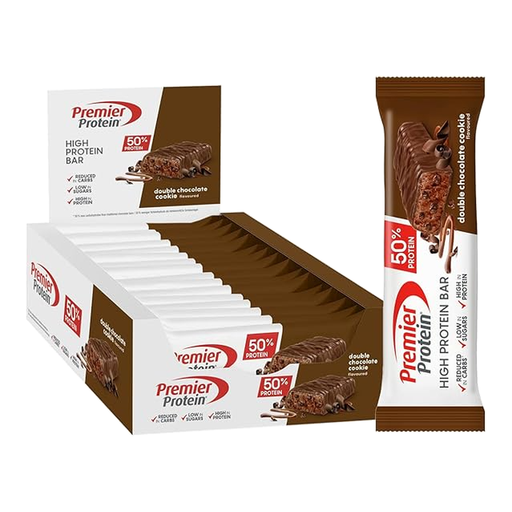 No image available
The 40-g portion stated in the title is useful when comparing smaller bars; the title also states 50% protein.
Check the pack quantity before buying: the title states 16 × 40 g, while another piece of product information lists just one bar. Also check the ingredients and allergen advice on the pack.
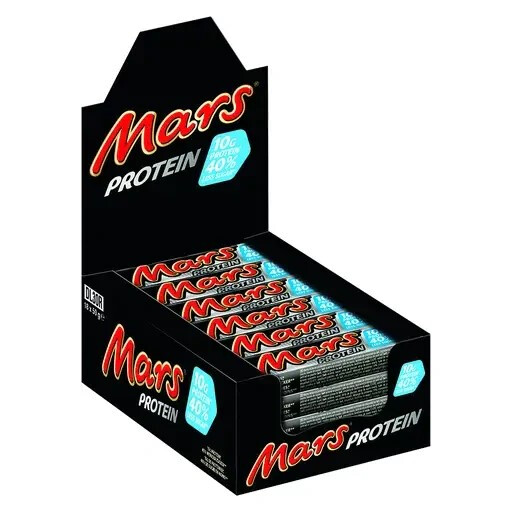 No image available
The 18-pack of 50-g bars may suit you if you’re looking for individual portions to keep in stock for snacks.
Assess the variety by its nutritional information per bar and per 100 g, as well as its ingredients and allergen advice—not just by the word “Protein” in its name.
No. Protein content is just one factor to consider. The Consumer Advice Centre says that protein intake in Germany is generally good; when choosing a snack, you should also check the portion size, other nutritional information and ingredients.
Read the ingredients list and any consumption guidance for the specific variety. The Federal Institute for Risk Assessment says sweeteners are listed in the ingredients; the Consumer Advice Centre explains that sugar substitutes can have a laxative effect in larger amounts.
Read the highlighted allergens in the ingredients list and any may contain warnings on the exact pack you’re planning to buy. Don’t rely on information for another flavour; EDEKA points out that online product information may differ from the current packaging.
Follow the storage instructions on the pack for the specific variety. The PowerBar examples mentioned should be stored in a dry place and protected from heat; bear this in mind when taking bars with you.