Families comparing fat content
You’re looking for a sweet, individually portioned snack for a holiday outing or afternoon treat and want to know how much fat it contains. The word ‘protein’ on the wrapper won’t tell you that.


If you’re looking for a protein bar with a lower fat content for the school holidays, compare the nutrition information per 100 g, then check the amount per bar. When buying snacks to share, ingredients, allergens and sweetener warnings matter too. A lower fat content than other bars doesn’t automatically mean the legally regulated claim ‘low fat’ can be used.
You’re looking for a sweet, individually portioned snack for a holiday outing or afternoon treat and want to know how much fat it contains. The word ‘protein’ on the wrapper won’t tell you that.
You’re buying snacks to share and need to check which allergens and sweeteners a particular variety contains, as well as any ‘may contain’ warnings on the pack.
You prefer a vegan protein source but still want to assess fat and sugar using the nutrition information. A plant-based recipe doesn’t answer these questions on its own.
Start by comparing the nutrition information per 100 g, so differences in bar size don’t skew the fat comparison. Then check the portion size, ingredients and warnings for the variety you’re actually planning to buy.
| Priority | What to check | Who it matters to |
|---|---|---|
| Fat content | Compare total fat and saturated fat per 100 g, then check the amount per bar. | I want to compare the fat content of different bars for a holiday snack without overlooking the protein information. Around 42% of consumers are likely to put fat content first. |
| Ingredients and suitability | Read the ingredients, allergens, possible traces and sweetener warnings on the specific pack. | If several people will be sharing the snacks, I need to know whether the variety is suitable for everyone who’ll be eating it. Around 33% of consumers are likely to prioritise checking the ingredients. |
| Plant-based recipe | Check the vegan labelling and protein source; compare fat, sugar and allergens separately. | I want a snack with a plant-based protein source and am happy to assess its nutritional values separately. Around 25% of consumers would put plant-based ingredients first. |
A bar can contain less fat than another and still not qualify as ‘low fat’. The European Commission sets a limit of no more than 3 g of fat per 100 g for this nutrition claim on solid foods.
Use the same measure — per 100 g — when comparing products. If you’re specifically looking for a product labelled ‘low fat’, check that it meets the applicable limit rather than simply comparing it with other bars.
The protein figure alone doesn’t tell you how much fat or sugar the snack contains. It can also be harder to compare bars of different weights using the serving information alone.
First compare protein, fat and sugar per 100 g, then check the figures per bar for the portion you’re planning to have.
The varieties covered here have different ingredients: depending on the product, the product information lists milk, soya, peanuts or hazelnuts, among other ingredients. Information about one variety doesn’t automatically apply to other products from the same brand.
Before sharing, check the ingredients list and any ‘may contain’ warnings on the current pack of each variety.
Verbraucherzentrale notes that polyols can have a laxative effect when consumed in large amounts. Some of the bars covered here also carry relevant warnings.
Read the warning on the specific pack and bear it in mind when packing snacks for a longer outing or several servings.
The information below applies to the specific variety named, not to every product from that brand.
The Lemon Cheesecake protein bar is one variety from dm’s own brand. According to dm, it contains 12 g of fat and 36 g of protein per 100 g.
For its Chocolate Spread protein bar, dm lists 15 g of protein per 45 g bar and 14 g of fat per 100 g.
dm describes its Protein Bites Hazelnut Cocoa as vegan, organic bites made with pea protein; they shouldn’t be taken as representative of every other bar from the brand.
Rossmann describes the WellMix Vanilla Flavour bar as a variety with 60% protein.
These bars could work as individually portioned holiday snacks if you want to take fat content into account when buying. Compare the nutrition information for the specific varieties, and if you’re buying snacks for children or several people, check the ingredients and warnings on the pack too.
 Image unavailable
When comparing individually portioned snacks, it’s worth checking the fat and protein per 100 g. Before buying, check the pack and serving size for the variety, and if you’re sharing the snack, read the ingredients and warnings.
 Image unavailable
The bar size given in the name helps when planning individual portions. For a fat comparison, check the nutrition information per 100 g; if you’re sharing the bars, check the ingredients and sweetener warnings on the pack.
 Image unavailable
This 40 g bar is an option if you want to take an individual portion with you. Assess its fat content using the nutrition information per 100 g, and check the ingredients and allergen information for the specific variety if needed.
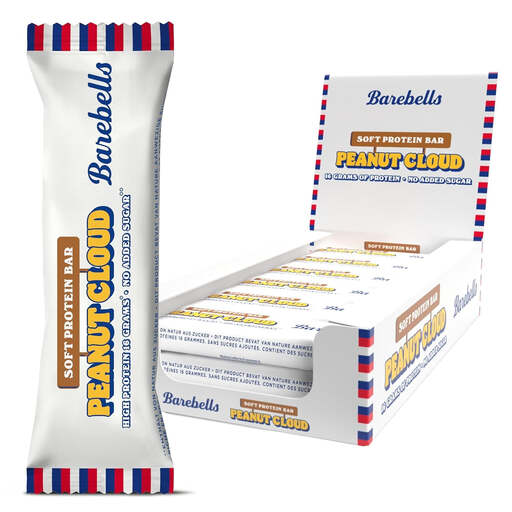 Image unavailable
With this 55 g variety, you can consider the portion size alongside the nutrition information per 100 g. Before sharing, check the allergen information and sweetener warnings for the specific variety.
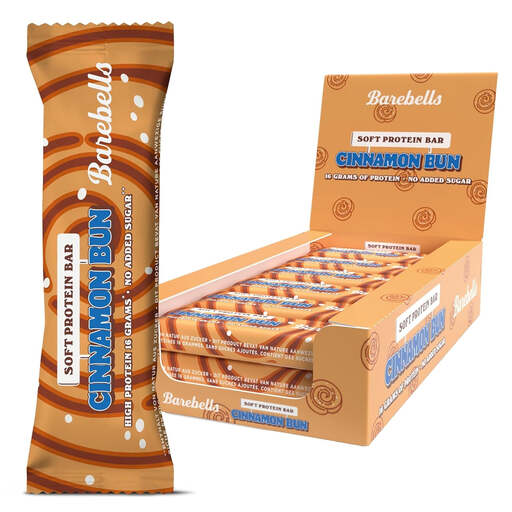 Image unavailable
If you’re dividing bars across several days of the school holidays, the stated 55 g size per bar is a useful starting point for planning portions. Compare fat and protein per 100 g, and read the ingredients and warnings before sharing.
No. Under the EU rules explained by the European Commission, the ‘low fat’ claim can only be used for solid foods containing no more than 3 g of fat per 100 g. A bar with 12 g may contain less fat than some other varieties, but it doesn’t meet this limit.
The per-100 g figures give you a common basis for comparing bars of different weights. Under EU labelling rules, the nutrition declaration for prepacked foods includes fat, saturates, sugars, protein and salt, among other values. Additional serving information can then show you how much is in each bar.
Read the ingredients list and warning for the specific variety, especially if someone might eat several bars. Verbraucherzentrale notes that polyols can have a laxative effect when consumed in large amounts.
A protein bar isn’t necessary as a holiday snack just because it contains protein. Verbraucherzentrale says additional protein products aren’t needed to meet the general protein requirements of people in Germany. If you do choose a bar for children, check the ingredients, portion size and warnings for the specific product.
Follow the storage instructions on the specific pack. Product pages for the varieties covered here recommend, among other things, storing them in a cool, dry place or keeping them out of direct sunlight. So, when you’re out and about, try not to leave the bars in direct sunlight.