When choosing a protein bar for a school lunchbox, don’t focus on its protein content alone. What matters is the ingredients and allergens in the specific variety, and how the bar fits in alongside the rest of the lunch. For older pupils who are physically active, it can be an occasional snack to take on the go. However, the German Nutrition Society assesses the protein requirements of children and teenagers according to their age and body weight; a single bar tells you nothing about those requirements.
Who might a bar be suitable for?
Older pupils who are physically active
If you want to pack a snack for a school day with training, you can compare the protein in each bar with the rest of your diet. The German Nutrition Society bases the protein requirements of children and teenagers on their age and body weight.
Families who need to consider allergens
If someone has a known allergy, check the labelling for the specific variety, including any warnings about possible traces. Comparing brands in general isn’t enough to make the right choice.
Pupils following a plant-based diet
For a plant-based option, check the vegan label, protein source and other ingredients on the specific pack together.
What should you look for when buying?
When choosing a protein bar for a school lunchbox, the suitability of its ingredients matters more than its protein content. Then check the figures per bar and the ingredients to find an option for that particular school day.
| Criteria |
What to check |
Especially important for |
| Suitability |
Read the ingredients list and allergen labelling for the variety; if there’s an allergy, check for trace warnings too. |
If there’s a known allergy, I need to be able to check whether this specific variety is suitable before packing it. For around 42 % of consumers, checking the ingredients is the top priority. |
| Extra protein |
Compare the protein per individual bar, not just per 100 g, and plan how the bar will fit in alongside the rest of the lunch. |
On a training day, I’m looking for a snack I can take with me, but I don’t want to confuse the protein content with my daily requirement. Around 33 % of consumers prioritise this practical boost. |
| Plant-based ingredients and sweeteners |
Check the vegan label and protein source; read the information on polyols, sweeteners and consumption advice. |
If I follow a plant-based diet or have a sensitive stomach, I want to know what’s in the specific variety. For around 25 % of consumers, this ingredient profile is the main reason to buy. |
Which mistakes can you avoid?
-
Treating a bar as a complete school lunch
A high protein figure doesn’t show how much protein you get from your other meals. The German Nutrition Society highlights the importance of a balanced diet for children and teenagers.
Think of the bar as a possible extra, and consider the whole lunch when choosing one.
-
Judging allergens by brand
Ingredients and trace warnings can vary between varieties. That’s why the information on the specific pack is especially important if someone has a known allergy.
Whenever you choose a different variety, read the current ingredients list and allergen labelling, and don’t overlook any relevant trace warning.
-
Confusing ‘no added sugar’ with ‘no sweeteners’
A bar with no added sugar may still contain sweeteners or polyols. The consumer advice centre warns that sugar substitutes can have a laxative effect when consumed in larger quantities.
Check the ingredients and, where relevant, the consumption advice too, rather than relying on the sugar information alone.
-
Assuming the information stays the same when you buy again
For the ALDI-SPORTS bars considered, ALDI SÜD notes that nutritional values may vary depending on the supplier. The vegan Lemon-Cake bar is also listed as a special buy.
When buying again, check the pack size, ingredients and nutritional information for the variety available.
Brands to help you choose
ALDI SPORTS
The ALDI SÜD range includes high-protein bars and a protein bar labelled as vegan.
- For the nougat multipack, ALDI SÜD states that it contains 3 × 45 g and provides 36 g of protein per 100 g. For the vegan Lemon-Cake bar, the retailer lists extruded pea protein.
- ALDI SÜD notes that the nutritional values of these products may vary between suppliers. Always refer to the information on the current pack.
Barebells
Barebells offers a range of protein bars, including classic varieties and ones labelled as vegan.
- Barebells states that Salty Peanut contains 20 g of protein per 55-g bar.
- According to Barebells, this variety contains milk protein and peanuts, as well as maltitol and sucralose. Check the stated potential allergen traces and consumption advice as part of your decision.
Grenade
The Grenade High Protein Bar Peanut Butter is a peanut-flavoured protein bar listed by REWE.
- REWE states that the 60-g serving contains 20 g of protein.
- According to REWE, this variety contains milk, soya and peanuts, as well as maltitol and sucralose. If you eat too much, bear in mind the warning about a possible laxative effect.
Products at Joybuy
This selection includes protein bars in different pack sizes, as well as a high-protein chocolate and a savoury beef snack. For a school lunchbox, it’s worth checking the actual pack for every product, especially the serving size and ingredients.
 No image available
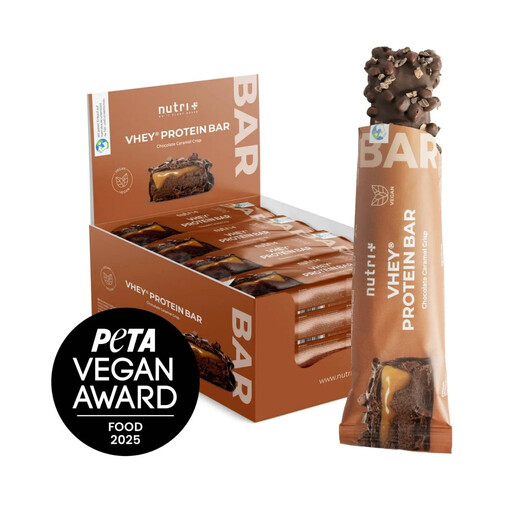
Nutri+ Whey Protein Bar Chocolate Caramel Crisp, 12 × 50 g
An option for individually portioned snacks. The product name ‘Whey’ and the information about plant-based proteins don’t clearly match up. If you follow a plant-based diet, check the labelling and ingredients on the specific pack.
View at Joybuy
 No image available
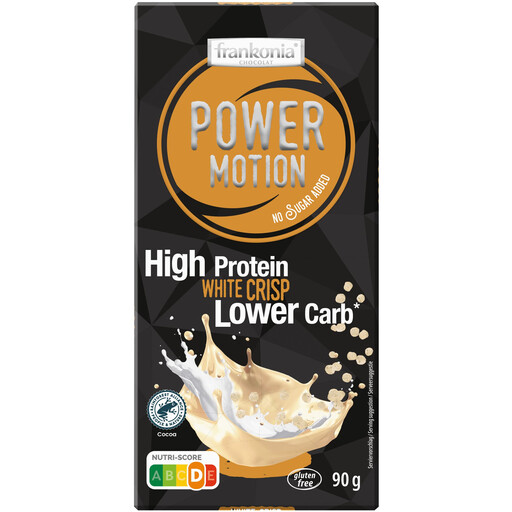
Frankonia Chocolat Power Motion No Sugar Added White Crisp Chocolate, 90 g
A chocolate option for anyone not specifically looking for a protein bar. Before packing it, check the serving size and the milk and soya ingredients; according to the product information, it contains maltitol.
View at Joybuy
 No image available
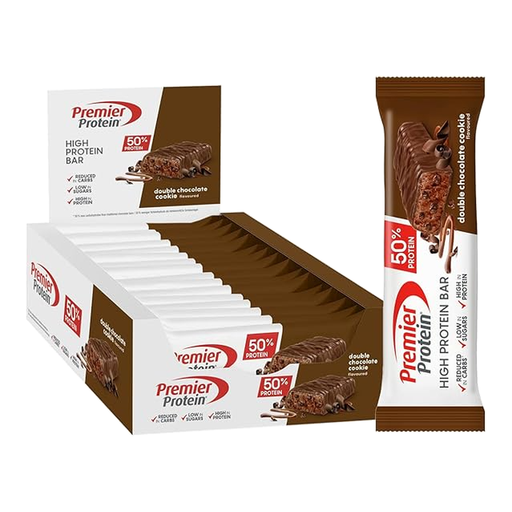
Premier Protein High Protein Bar 50 % Double Chocolate Cookie
A snack explicitly described as a protein bar. Before buying, check the actual pack size and protein content per bar, as the pack information varies. The product description is aimed at adults and lists several allergens, as well as maltitol and sucralose.
View at Joybuy
 No image available
Barebells Vegan Protein Bar Peanut Caramel, 12 × 55 g
A bar labelled as vegan, for those choosing products with plant-based ingredients. The product text lists peanuts, as well as wheat and soya protein. The protein content per bar is stated inconsistently, so check the nutritional information on the pack.
View at Joybuy
 No image available
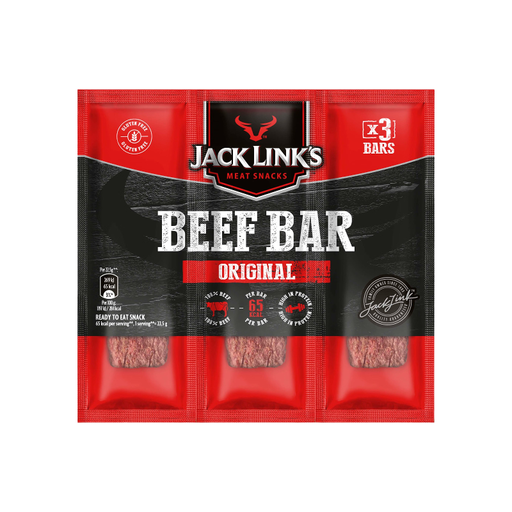
Jack Link's Original Beef Protein Bars, 3 × 22,5 g
A savoury beef snack rather than a sweet protein bar. To compare the nutritional values per unit, check the information on the pack; the product details available give protein and salt per 100 g, not protein per 22,5-g unit. According to the product information, it contains soya beans.
View at Joybuy
Frequently asked questions
Does a high-protein bar replace a balanced school lunch?
No, a protein bar shouldn’t be the only item in a school lunch. The German Nutrition Society stresses the importance of a balanced diet for children and teenagers as they grow; at most, a bar can be an addition.
How should you interpret the protein content for a schoolchild?
The protein content of a single bar shouldn’t be equated with an individual’s daily requirement. The German Nutrition Society provides reference values for children and teenagers based on age and grams per kilogram of body weight per day; the rest of their diet also matters.
What matters if someone has a known food allergy?
The ingredients list and allergen labelling for the specific variety are what matter, not just the brand. The German Food Association explains how allergenic ingredients are labelled; you should also check for any trace warning relevant to the person with the allergy.
Why do some protein bars carry a warning about a laxative effect?
This warning may be related to the sugar substitutes they contain. The consumer advice centre warns that these can have a laxative effect when consumed in larger quantities. The information for the specific variety will tell you whether it contains them and what consumption advice applies.


