What should you look for when shopping?
When choosing a protein bar for a school lunch, first identify the specific allergen that needs to be avoided. Then decide whether the bar fits into the planned school lunch and meets your requirements for its ingredients.
| What matters |
What to check when buying |
Who it matters most to |
| Allergens and traces |
Check the current ingredients list, highlighted allergens and any precautionary allergen statements for the individual variety. |
If my child needs to avoid a specific allergen, I don’t want to assume a bar is suitable based on a general marketing claim. This allergen check is a priority for around 42% of consumers. |
| Its place in a packed lunch |
Consider whether the bar is just a back-up and what else the school lunch will include. |
For a typical school day, I want to pack more than just one bar, even if it can be handy as an occasional back-up. Around 33% of consumers prioritise the make-up of a packed lunch. |
| Sweeteners and tolerance |
Compare the ingredients, nutritional information and warnings for the specific recipe. |
With a low-sugar option, I want to know which sweeteners it contains and what guidance applies to eating it. How well the recipe is tolerated is the main concern for around 25% of consumers. |
Protein bars as a back-up for school breaks at Joybuy
These individually wrapped protein bars may be an option as an occasional extra for a school break. This does not mean that any of them has been approved for a particular child or for avoiding a specific allergen; the current information for each variety remains essential.
 No image available
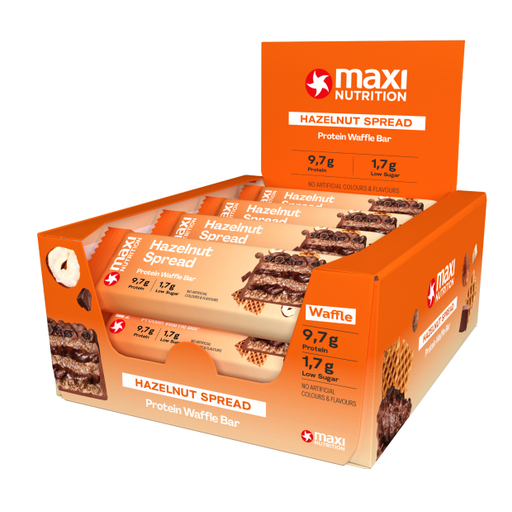
Maxi Nutrition Muesli Nut Butter Protein Wafer, 12 × 39 g
The individually wrapped bars can be kept as an occasional back-up for school breaks.
The pack contains 12 bars, each weighing 39 g. According to the product information, this variety is not suitable if you need to avoid wheat, milk, soya or hazelnuts. Possible traces of other nuts are also mentioned. Always check the current packaging.
View at Joybuy
 No image available
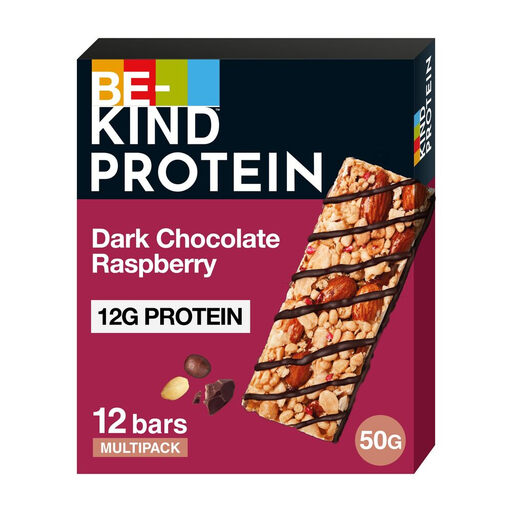
BE-KIND Protein Dark Chocolate Raspberry, 12 × 50 g
The 50 g bars are a portioned option if you want a bar to be part of a school break once in a while.
The pack contains 12 bars. According to the product information, this variety contains peanuts, soya and almonds; milk and other nuts are also listed as possible allergens. If these need to be avoided, check the current label before choosing.
View at Joybuy
 No image available
Barebells Vegan Protein Bar Peanut Caramel, 12 × 55 g
This individually wrapped bar can be kept as an occasional back-up, provided its specific recipe suits the child’s needs.
The pack contains 12 bars, each weighing 55 g. The product information lists wheat, soya and peanuts as ingredients; a general trace warning does not specify other potential allergens. The “Vegan” label is no substitute for checking the current packaging if you have an allergy.
View at Joybuy
 No image available
Corny Protein Crunchy Vanilla & White Choc, 12 × 45 g
The individually wrapped bars can be kept as a back-up rather than as a complete school breakfast.
The pack contains 12 bars, each weighing 45 g. The claims “gluten-free” and references to cereals containing gluten contradict each other. If you need to avoid gluten, this variety is not a suitable choice until you have checked the current packaging for clarification. Milk, soya and hazelnuts should also be checked as part of the allergen information.
View at Joybuy
 No image available
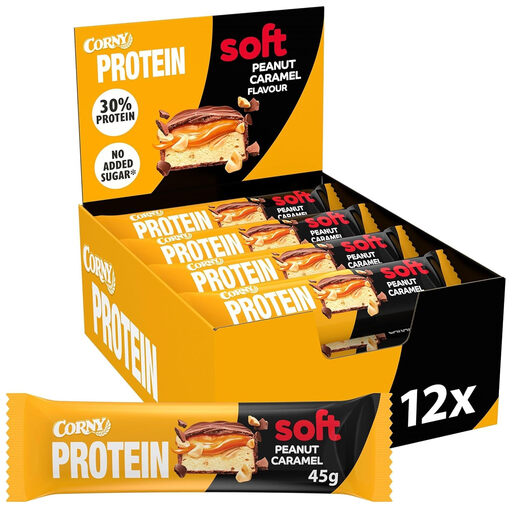
Corny Protein Soft Peanut-Caramel, 12 × 45 g
The 45 g bars are a portioned option to keep as an occasional back-up for school breaks.
The pack contains 12 bars. According to the product information, this variety contains milk, soya, peanuts and barley; nuts and eggs are listed as possible traces. If you want to compare protein content, check the nutritional information on the current packaging, as the product information available here is inconsistent.
View at Joybuy
Frequently asked questions
How can I identify allergens on a packaged protein bar?
Check the ingredients list for the specific variety. In Germany, the main allergens that must be declared on packaged foods have to be listed and highlighted there. The Federal Office of Consumer Protection and Food Safety explains this labelling requirement; when shopping, always refer to the current packaging.
Is a bar with no trace warning suitable for someone with an allergy?
The absence of a trace warning does not guarantee that a bar is suitable for someone with a particular allergy. The consumer advice centre explains that unintended contamination does not always have to be declared. If an allergy has been diagnosed, follow the individual medical advice you have been given.
Are vegan protein bars automatically suitable for children with allergies?
No. The word “vegan” alone doesn’t confirm whether a product is suitable for a specific allergy. Check the ingredients and any trace information for the individual variety; KoRo itself points out that it cannot guarantee its products are suitable for everyone with allergies.
Can a protein bar replace a packed lunch?
A protein bar isn’t a complete replacement for a varied school breakfast just because it contains protein. The Federal Centre for Nutrition describes a school-break meal as an addition to a nutritious breakfast, so a bar is better suited as an occasional extra or back-up.
What does a warning about a possible laxative effect mean?
The warning relates to excessive consumption of that particular recipe and is worth bearing in mind when choosing a product. The consumer advice centre explains that consuming large amounts of sugar substitutes can have a laxative effect, so check the ingredients and warnings for the specific bar.


