For secondary school pupils, a protein bar is better suited as an occasional extra snack or a back-up for a long day than as a regular replacement for a break-time meal. With a mixed pack, check the ingredients, allergens and nutritional information for each variety individually. The German Nutrition Society recommends a varied diet and plenty of fluids for children and teenagers.
Who might consider protein bars?
Pupils looking for a back-up snack
If you want to pack something for a long school day, a bar can be a useful extra. A proper break-time meal and a drink are still important, as the German Nutrition Society also highlights in its guidance on school meals.
Teenagers who train after school
A snack brought from home can come in handy between lessons and sport. However, a protein claim on the packaging doesn’t automatically mean there’s a need for extra protein. The consumer advice centre recommends not choosing protein products based on protein claims alone.
Families who need to check ingredients carefully
If you have allergies or specific ingredient requirements, it’s easier to check a familiar single variety than an unverified assortment. Ingredients and may-contain warnings can vary from bar to bar.
What should you look for when buying?
First, decide whether the bar is intended as a back-up or a snack after school. Then check the serving information and, for mixed packs, each variety individually.
| What matters | What to check | Who it matters to |
|---|
| Portable portion |
Check the pack contents and the weight of each bar; for a school bag, also check whether the bars are individually wrapped. |
For a long school day, I want to have a bar to hand without using it to replace my break-time meal. Around 40% of consumers prioritise having a back-up snack when buying. |
| Nutrition and how it fits into meals |
Compare the nutritional information per 100 g and per bar, and plan to have the bar as a snack rather than a meal. |
When choosing a bar for school, I want to understand the actual portion and not rely on the protein claim alone. For around 40% of consumers, this is the main consideration. |
| Ingredients and suitability |
Check the ingredients, allergens, may-contain warnings and sweeteners for every variety in the pack. |
With a mixed pack, every variety needs to meet my ingredient requirements. Around 20% of consumers make this their main consideration. |
Which common mistakes can you avoid?
-
Assuming “high protein” means it can replace a break-time meal
A bar on its own doesn’t automatically offer the variety you’d get from a break-time meal. The German Nutrition Society recommends a suitable range of nutrients and plenty of fluids for children and teenagers.
Plan to have the bar as an extra or a back-up, and remember to pack a meal and a drink for the school day too.
-
Treating “no added sugar” as a verdict on the whole product
A single claim on the front of the pack doesn’t tell you everything about the nutritional values or ingredients. The consumer advice centre recommends considering marketing claims alongside the nutritional information.
Compare the sugar, fat and other nutritional information, as well as the ingredients list for the specific variety.
-
Checking only one variety in a mixed box
Allergens, animal-derived ingredients and may-contain warnings can vary between varieties. So, information for your favourite variety won’t necessarily apply to the whole box.
Read the labelling for each variety. If you need to avoid a particular ingredient, a single variety you’ve already checked may be the simpler choice.
-
Packing several bars without checking for polyols
According to the consumer advice centre, polyols can have a laxative effect when consumed in large quantities. That’s a practical reason to check the ingredients before a long school day or trip.
Check the ingredients list and any warning on the pack before taking several bars with you.
Brands to consider
Barebells
Barebells offers protein bars and a Mix Box with several varieties, including Lemon Cheesecake and Peanut Caramel.
- The Mix Box lets you try different varieties.
- Check the ingredients and may-contain warnings for each variety individually. The range overview alone won’t tell you whether a bar is suitable for someone with an existing allergy.
ESN
ESN offers Designer Protein Bars and tasting boxes. According to ESN, the bars contain 14 to 15 g of protein, depending on the variety.
- A tasting box is worth considering if you’d like to try different flavours first.
- The protein content alone doesn’t make a bar a necessary part of school meals or a replacement for a meal.
Layenberger
Layenberger offers high-protein bars. For the Cranberry-Cassis variety, the manufacturer lists a weight of 35 g per bar.
- The stated weight of each bar makes it easier to compare portion sizes.
- For Cranberry-Cassis, Layenberger lists milk, whey and soya protein, as well as bovine collagen hydrolysate. If you have specific requirements, check the ingredients for the exact variety.
Protein bar packs at Joybuy
Each of the packs below contains one variety. They may suit families who want to compare portion sizes and check the ingredients of a specific bar, rather than choosing a mixed box without checking each variety. Check before buying whether each bar is individually wrapped.
 No product image available
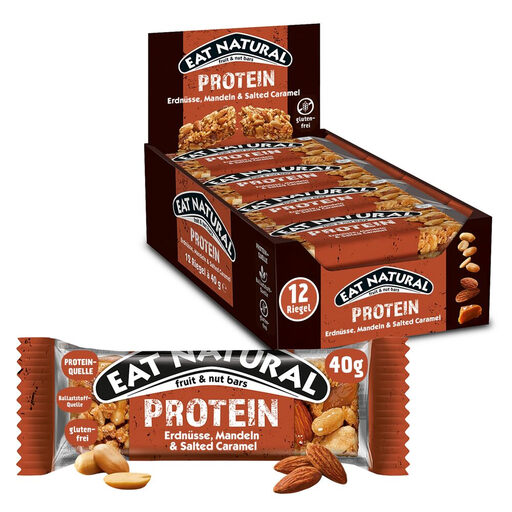
Eat Natural Protein Bars Peanuts, Almonds & Salted Caramel, 12 × 40 g
A single variety for anyone planning to keep bars as a back-up for several school days. The pack contains 12 bars at 40 g each. If you have allergies, check the ingredients and may-contain information on the pack.
View at Joybuy
 No product image available
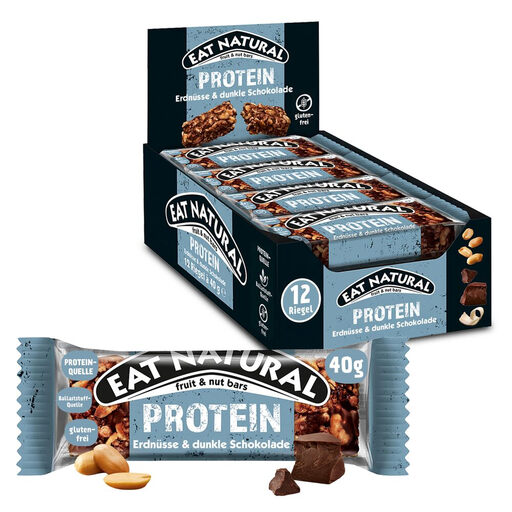
Eat Natural Protein Bars Peanuts & Dark Chocolate, 12 × 40 g
Another single variety for an occasional snack after school or on the go. The pack contains 12 bars at 40 g each. To compare it with other varieties, check the nutritional information and, if you have allergies, the ingredients labelling.
View at Joybuy
 No product image available
Barebells Vegan Protein Bar Peanut Caramel, 12 × 55 g
A single variety for anyone who wants to check the labelling for a specific bar in advance. The pack contains 12 bars at 55 g each. Check the ingredients, allergens and protein information on the pack against your requirements.
View at Joybuy
 No product image available
BE-KIND Protein Caramel Nut, 12 × 50 g
A pack of one variety for an occasional bar on the go. It contains 12 bars at 50 g each. For a school bag, check whether the bars are individually wrapped, and if you have allergies, read the labelling on the pack.
View at Joybuy
 No product image available
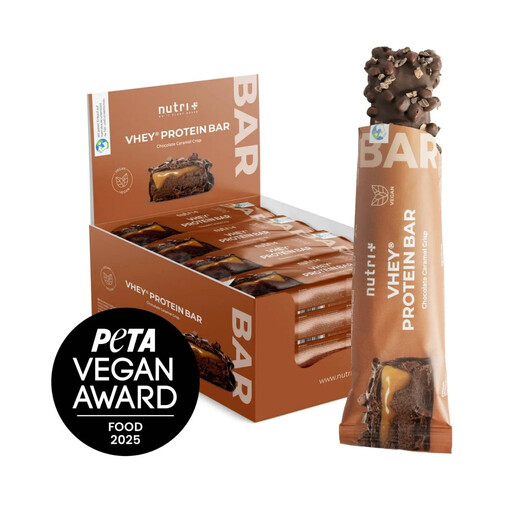
Nutri+ Whey Protein Bar Chocolate Caramel Crisp, 12 × 50 g
A pack of one variety for a snack after school. It contains 12 bars at 50 g each. Before buying, check the pack to find out which protein sources the bars contain and whether they’re individually wrapped.
View at Joybuy
Frequently asked questions
Can a protein bar replace school lunch?
A single bar shouldn’t be planned as a regular replacement for lunch during the school week. The German Nutrition Society highlights that children and teenagers need a range of nutrients and plenty of fluids; a bar is better thought of as an extra snack.
Is a bar with no added sugar automatically the better choice?
No. That claim alone doesn’t tell you about the overall nutritional values or ingredients. Compare the nutritional information and ingredients for the specific variety rather than looking only at the front of the pack.
What should I look out for with polyols?
Check the ingredients list and any warnings, especially if you’re planning to have several bars in one day. The consumer advice centre notes that polyols can have a laxative effect when consumed in large quantities.
Is a mixed box of protein bars suitable for people with allergies?
Only if the ingredients and allergen information for every variety in the pack meet the individual requirements. Check may-contain warnings for each variety too; the labelling on one bar doesn’t tell you about all the others in the box.


