A protein bar can be a handy back-up for the school run or a long afternoon, but it shouldn’t be planned as a regular replacement for a packed lunch. The German Nutrition Society recommends a packed lunch for the school break, while the consumer advice centre says that extra protein isn’t necessary for many people who are physically active either. If you’re planning to take bars with you, check the individual portion size, ingredients and allergens first, and only buy a mixed box once you’ve checked that the flavours it contains are suitable.
Who might consider a protein bar?
Pupils with long journeys
A portable single portion can be useful as a back-up for the school run, afternoon classes or the journey to a sports activity. A packed lunch is a separate choice: the German Nutrition Society recommends one for the school break.
Families who check ingredients carefully
If you’re buying for teenagers with specific dietary requirements, check every flavour against its ingredients and allergen information. This is especially important with mixed boxes containing different bars.
Active people looking for a snack on the go
You could plan to take a bar with you on the way to training. But the protein content on the wrapper alone doesn’t mean you need extra protein; the consumer advice centre makes this point for physically active people too.
What should you look for when buying?
First decide whether you need a packed lunch or a small back-up snack for on the go. If you haven’t tried a bar before, check its flavour, ingredients and portion size by trying a single bar before considering a multipack or mixed box.
| What to look for |
What to check |
Who it matters to |
| Single portion for on the go |
Check the weight in grams per bar and whether it’s individually wrapped; distinguish the nutritional information per portion from that per 100 g. |
If there’s little time between the school run and afternoon activities, I need a portion that’s genuinely easy to take with me. For around 37% of consumers, this practical need comes first. |
| Flavour and sweeteners |
Read the ingredients list and warnings; try an unfamiliar flavour as a single bar before buying a larger pack. |
If I haven’t tried a bar before, I want to know whether I like the flavour and ingredients first. Around 27% of consumers would prioritise checking this. |
| Dietary requirements and allergens |
Check the specific flavour for ingredients, highlighted allergens and precautionary allergen statements; check every variety in a mixed box. |
If certain ingredients aren’t suitable for my household, every flavour in the pack needs to be suitable. Around 18% of consumers put this check first. |
| Protein and pack contents |
Compare protein figures on the same basis, and check the number and weight of the bars in the pack. |
For a snack on the way to sport, I want to know the actual portion size rather than assume I need extra protein because of a claim on the wrapper. Around 18% of consumers make this comparison their top priority. |
Which buying mistakes can you avoid?
-
Assuming “no added sugar” means it will suit everyone
A bar labelled this way may contain sugar alcohols. The consumer advice centre warns that large amounts can cause bloating or diarrhoea.
Read the ingredients list and warnings before buying several bars of the same flavour.
-
Assuming “vegan” means allergen-free
A vegan protein bar may still contain ingredients such as soya, wheat or peanuts. A dietary label doesn’t answer the question of whether it contains allergens.
Check the label on the specific flavour, and for mixed boxes check the information for every variety.
-
Assuming more protein is automatically better for the school break
The German Nutrition Society recommends a packed lunch for the school break. According to the consumer advice centre, many physically active people don’t need an extra portion of protein either.
Choose a bar for a specific occasion on the go, and assess the whole portion rather than just the protein figure.
-
Buying a mixed box without checking every flavour
The varieties in a mixed box may differ in their ingredients and allergen information. So a single bar that suits you doesn’t necessarily mean the other flavours will too.
Compare all the varieties before buying, and consider trying unfamiliar flavours individually first.
Otherwise, you may be left with bars that nobody in your household wants to eat or can eat.
Protein bar brands to consider
Barebells
If you’re deciding between a single bar and a mixed box, the vegan mixed box is one example from the Barebells range.
- According to Barebells, each bar in this mixed box contains 15 g of plant-based protein from soya and wheat.
- Check the ingredients and allergen information for each variety individually; the details for this mixed box don’t apply to every Barebells bar.
PowerBar
PowerBar stocks protein bars and caters, among others, to people looking for a snack around their sporting activities.
- The brand describes a range that includes protein bars and other products for physically active people.
- You’ll need to check the specific bar to see whether its ingredients, portion size and allergens are suitable for everyday school use.
KoRo
KoRo’s vegan organic hazelnut protein bar is one specific option to compare with other plant-based bars.
- dm describes the 60 g bar as containing 25% protein.
- This information applies to this variety, not all KoRo bars. If you have a hazelnut allergy, check the ingredients and allergen information carefully.
Protein bars from Joybuy for on the go
This selection includes a savoury beef bar, as well as nut-based and vegan protein bars in multipacks. When choosing a bar for the new school year, consider the portion size, the ingredients in the specific variety and whether you can take an individual bar with you.
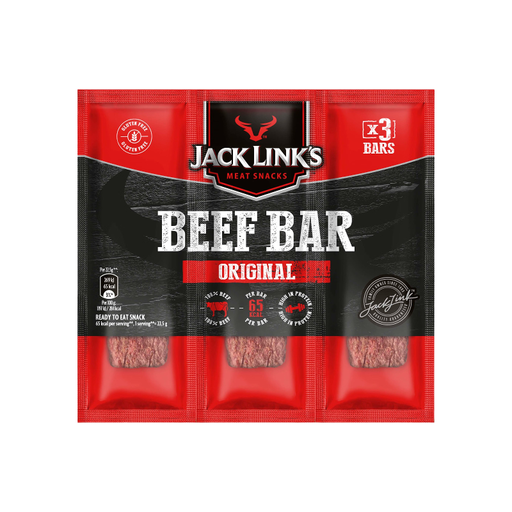 Image unavailable
Jack Link's Original Beef Protein Bars, 3 × 22.5 g
For anyone considering a savoury beef bar instead of a sweet variety when they’re out and about. The pack contains three bars at 22.5 g each. For the school run, check whether you can take each bar individually, and read the ingredients and allergen information.
View at Joybuy
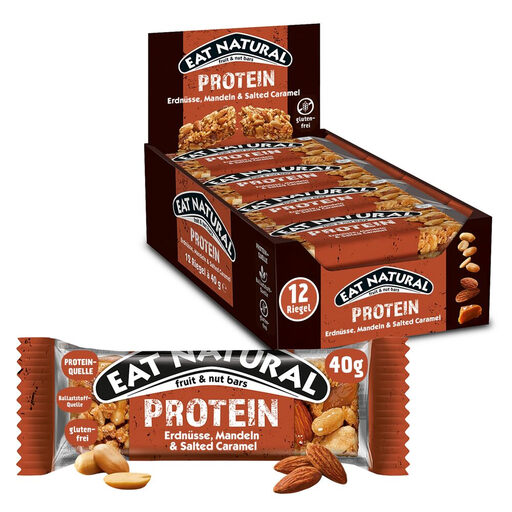 Image unavailable
Eat Natural Protein Bars Peanuts Almonds & Salted Caramel, 12 × 40 g
A multipack for anyone who already likes this variety and wants individual portions to take on the go. It contains twelve bars at 40 g each. If you have allergies, check the labelling, and make sure each bar is individually wrapped before packing one.
View at Joybuy
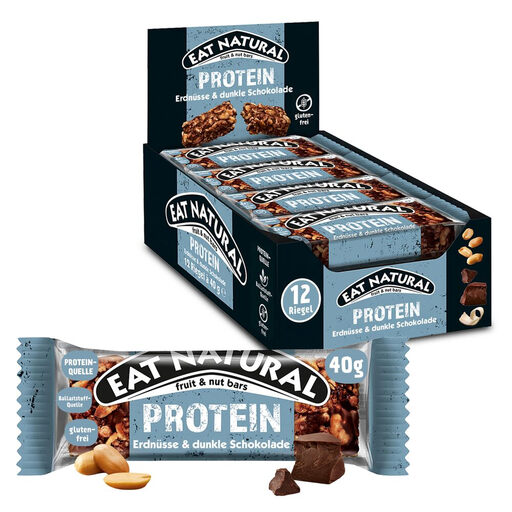 Image unavailable
Eat Natural Protein Bars Peanuts & Dark Chocolate, 12 × 40 g
This variety could work as a portable portion if you like peanuts and dark chocolate. The pack contains twelve bars at 40 g each. If you have allergies, check the specific pack for information about peanuts and any other potential allergens.
View at Joybuy
 Image unavailable
BE-KIND Protein Caramel Nut, 12 × 50 g
A multipack to keep for when you’re out and about, if Caramel Nut already fits your dietary requirements. It contains twelve bars at 50 g each. Check the protein information on the pack and whether the bars are individually wrapped.
View at Joybuy
 Image unavailable
Barebells Vegan Protein Bar Peanut Caramel, 12 × 55 g
For anyone looking for a vegan bar to take on the go who already knows and likes Peanut Caramel. The pack contains twelve bars at 55 g each. Vegan doesn’t mean allergen-free. Check the ingredients, sweeteners and allergen information, as well as the protein content and individual wrapping, directly on the pack.
View at Joybuy
Frequently asked questions
Can a protein bar replace a packed lunch?
A protein bar shouldn’t automatically take the place of a packed lunch. The German Nutrition Society recommends a packed lunch for the school break; a bar could instead be a portable back-up for a particular occasion.
What should I check before buying a mixed box?
Check the ingredients, allergens and sweeteners in every variety. Barebells’ vegan mixed box shows why this matters: according to the manufacturer, the protein in its bars comes from soya and wheat, so the vegan label alone isn’t enough to make your decision.
How do I compare a single bar with a multipack?
Compare the number of bars, the weight of each one and the nutritional information on the same basis. A multipack is most suitable when you already know the varieties it contains and can use the bars before their best-before date.
Which details on the packaging can help me choose?
When choosing a packaged protein bar, the most important details include the ingredients list, allergen labelling, net weight, best-before date and nutritional information. The consumer advice centre recommends checking this information on the specific food; if there are several varieties, check each one.


