What should you look for when buying?
Start with the portion you plan to eat: compare its total carbohydrates first, then look at the protein, sugar and ingredients. The needs below each relate to consumers’ main reason for choosing a product.
| Criterion |
What to check when buying |
Who it matters most to |
| Carbohydrates per bar |
Total carbohydrates and serving size in the nutrition information; don’t treat the sugar figure as the same thing. |
If I take carbohydrates into account as part of my insulin therapy, I need the figure for the portion I’ll actually eat. Around 36% of consumers put this ability to plan first. |
| Protein and portability |
Protein per bar and bar size; consider whether you need a packaged snack for the occasion. |
For training or a long day, I want to be able to take a portion of protein with me without having to prepare another snack. Around 29% of consumers prioritise this. |
| Ingredients and suitability |
Sweeteners, information about polyols, and declared allergens and traces. |
If I need to avoid certain ingredients or react to sweeteners, the specific variety determines my choice. This is the main consideration for around 21% of consumers. |
| Energy and everyday practicality |
Energy per bar, the ingredients list and whether another source of protein would be more practical in the situation. |
For a snack I plan to eat regularly, I want to weigh up whether a packaged bar or a prepared food fits better into my routine. This is the main question for around 14% of consumers. |
Brands and product ranges to consider
The information below relates to specific listed bars and product ranges, not the suitability of an entire brand. Compare the details for each variety before buying.
Premier Protein
REWE stocks a Chocolate Caramel protein bar with information given per 40 g serving.
- For this variety, REWE lists 20 g of protein, 11 g of carbohydrates and 0.7 g of sugar per bar.
- The bar also contains 9.6 g of polyols per serving, as well as milk and soya ingredients.
Barebells
Barebells offers several ranges of protein bars, including Original, Soft and plant-based varieties.
- Protein content varies by bar. The listed Soft Chocolate Cake bar contains 16 g of protein per 55 g.
- The same Soft bar is listed as containing 18 g of carbohydrates and 2.0 g of sugar per 55 g. Ingredients and allergen advice vary by variety.
REWE PWR
REWE PWR includes protein bars for the German grocery market.
- For its Brownie bar, REWE lists 13.5 g of protein, 13.7 g of carbohydrates and 1.4 g of sugar per 45 g.
- According to REWE, the same bar contains 11.7 g of polyols per serving, as well as milk and soya.
MAX BALANCE
EDEKA sells various protein bars under MAX BALANCE, including a plant-based Brownie variety.
- For its Lemon Yoghurt bar, EDEKA lists 50 g of protein and 25 g of carbohydrates per 100 g.
- The plant-based Brownie variety contains soya and wheat gluten, among other ingredients. Check the nutrition and allergen information separately for each variety.
ALDI SPORTS
ALDI SÜD describes a Nougat protein bar sold in a pack of 3 × 45 g.
- The product information lists 36 g of protein, 23 g of carbohydrates and 3.7 g of sugar per 100 g.
- ALDI SÜD lists 19 g of polyols per 100 g, warns of a possible laxative effect if consumed in excess and notes that products may vary between suppliers.
Protein bars and snack bars at Joybuy
This selection includes individually portioned protein bars and a snack bar for comparison, whether you’re out and about or doing sport. When choosing a product if you have diabetes, the carbohydrates in the portion you eat and the information on the specific pack remain key.
 No image available
Barebells Protein Bar Cookies & Cream, 12 × 55 g
An option if you’re looking for individually portioned protein bars to take with you. Before choosing, compare the carbohydrates per 55 g bar and check the pack for sweeteners, milk and soya ingredients.
View at Joybuy
 No image available
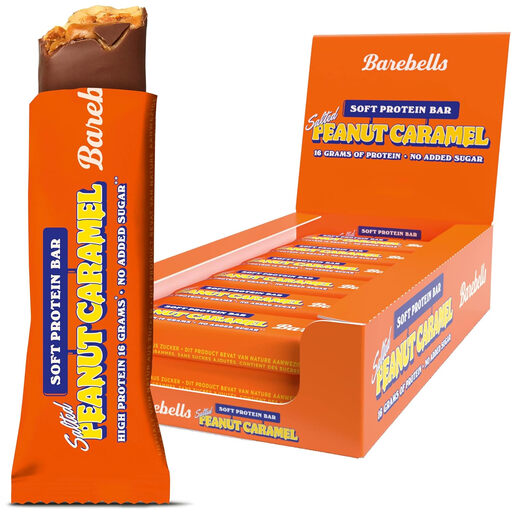
Barebells Soft Protein Bar Salted Peanut Caramel, 12 × 55 g
The 55 g format can work as an individual snack. As well as the carbohydrates per bar, pay particular attention to the information on sweeteners, milk, peanuts and soya.
View at Joybuy
 No image available
Power System Low Carb Cookies & Cream Protein Bar, 40 g
The 40 g format could suit a portioned snack on the go. If the nutrition information is given per 100 g, check the carbohydrates and energy for the whole bar; also look out for sweeteners and allergens.
View at Joybuy
 No image available
Frankonia Sugar Free Nutrition Bar Chocolate Brownie, 50 g
This 50 g snack bar is an alternative to compare if you want to look beyond protein bars. Total carbohydrates per bar still matter; also check the pack for polyols, milk and soya ingredients.
View at Joybuy
 No image available
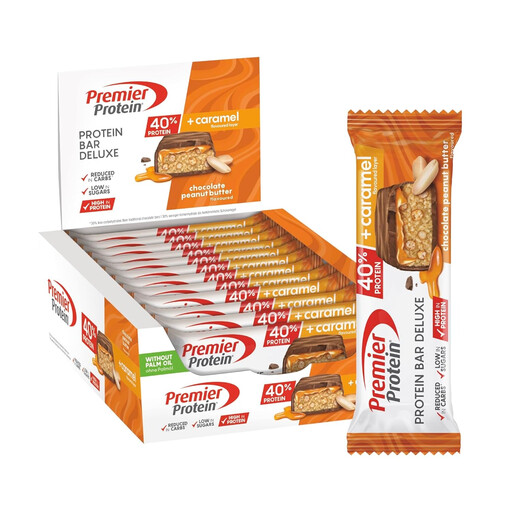
Premier Protein Protein Bar Deluxe 40 % Chocolate Peanut Butter, 12 × 50 g
The 50 g bar could work as a portioned protein snack. Before planning your carbohydrate intake, check the total carbohydrates per bar on the pack; also take note of sweeteners and allergen information.
View at Joybuy
Frequently asked questions
Are protein bars always off limits if you have diabetes?
No, there’s no blanket rule against them: diabetesDE says there are no foods that are generally off limits for people with type 1 or type 2 diabetes. However, that doesn’t mean a protein bar is automatically suitable for everyone. The carbohydrates in the portion you eat and your individual treatment remain key.
Do I still need to check carbohydrates if the sugar content is low?
Yes. A low sugar figure doesn’t tell you how many carbohydrates the whole bar contains. diabetesDE notes that people with type 1 diabetes, and some people with type 2 diabetes, need to calculate carbohydrates as part of their insulin therapy. Check the serving size on the pack to work this out.
What should I look out for with sweeteners?
Check the ingredients and any consumption advice for the specific variety. Polyols can have a laxative effect if consumed in excess; a low sugar figure doesn’t make the information about carbohydrates and tolerance any less important.
Is a high-protein bar suitable if I have diabetic kidney disease?
There’s no one-size-fits-all answer. diabetesDE notes that protein intake may need to be restricted in cases of progressive diabetic nephropathy. If you have known kidney disease, a high-protein bar should fit into a diet tailored to your needs with advice from a healthcare professional.
Is the ‘High Protein’ label enough to choose a bar if I have diabetes?
No. The protein figure alone doesn’t tell you the total carbohydrates, ingredients or whether you’ll tolerate the bar. Compare the nutrition information for the bar you’ll actually eat and, if needed, check for allergens and information about sweeteners.


