What should you look for when buying?
First decide whether you need to avoid an allergen or animal ingredients. Then compare the protein content and other ingredients of the varieties that meet your requirements.
| What matters to you |
What to check when buying |
Who should pay particular attention |
| Allergens and traces |
Compare the ingredients and highlighted allergens for the specific variety with the allergens you need to avoid; also check any ‘may contain’ information. |
If I need to avoid an allergen completely, the word ‘vegan’ isn’t enough to help me decide. For around 40% of consumers, checking for allergens and traces comes first. |
| Vegan ingredients |
Check the vegan label, protein sources and possible traces separately. |
I want a bar without animal ingredients at the festival, but I mustn’t confuse plant-based protein sources with being allergen-free. Around 30% of consumers prioritise vegan options. |
| Protein and portability |
Compare the protein content per bar and the serving size; check the packaging, best-before date and storage instructions. |
For when I’m out and about, I want a packaged snack with clear protein information per serving. This is a priority for around 20% of consumers. |
| Other ingredients |
Read the ingredients list and nutrition information; check any consumption warnings for sugar substitutes. |
Even without a specific allergy or vegan requirement, I want to know what ingredients and sweeteners are in the bar. This is the most important selection criterion for around 10% of consumers. |
Brands and product ranges to consider
These product ranges feature different ingredients and allergen information. Whether a bar is suitable depends on the labelling for the specific variety.
Barebells
Barebells makes classic and vegan protein bars. For its vegan Mix Box, the brand lists 15 g of plant-based protein per bar from soya and wheat.
- Vegan options offer a choice if you want to avoid animal ingredients.
- The soya and wheat in this vegan option make it unsuitable for people with relevant allergies. Barebells also recommends checking the information about possible traces for each variety.
ESN
The range includes the Designer Vegan Protein Bar, made with a plant-based blend of soya, pea and rice protein.
- The vegan option may suit people who want to avoid animal ingredients.
- ESN lists possible traces of cereals containing gluten, milk, peanuts and nuts. Here, vegan doesn’t mean that these traces are ruled out.
TREK
TREK describes its bars as fully plant-based; the range includes protein oat bars.
- Their plant-based ingredients make it easier to shortlist options if you follow a vegan diet.
- If you have allergies, you still need to check the ingredients and allergen information for each variety.
HEJ Natural
HEJ Natural lists pea and fava bean protein in its vegan Crispy Protein Bars, with 11 g of protein per bar.
- These protein sources offer a different ingredient combination from vegan bars made with soya and wheat.
- Variety names such as pistachio, hazelnut nougat and peanut butter show why checking the specific ingredients list is essential if you have a nut or peanut allergy.
Protein bars at Joybuy
This selection includes a snack bar described as gluten-free, a vegan protein bar and other protein bars made with different ingredients. Before buying, compare the information with your personal dietary requirements and the labelling on the packaging for each product.
 No image available
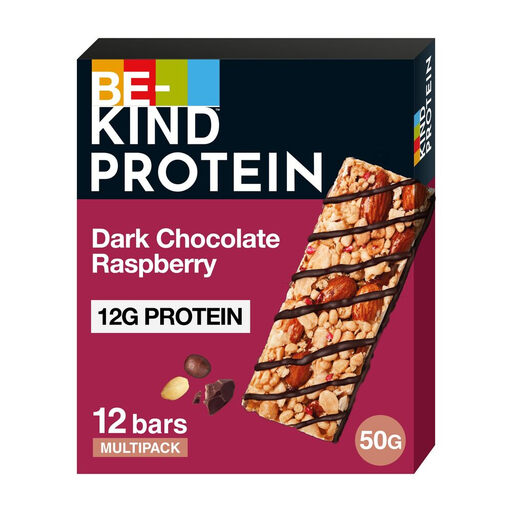
BE-KIND Protein Dark Chocolate Raspberry, 12 × 50 g
An option to consider if you want to avoid gluten and peanuts, almonds and soya aren’t allergens you need to avoid.
The product information describes the bar as gluten-free. It may contain traces of milk and other nuts, so check the labelling on the specific packaging.
View at Joybuy
 No image available
Barebells Vegan Protein Bar Peanut Caramel, 12 × 55 g
A vegan option if you want to avoid animal ingredients and can eat wheat, soya and peanuts.
The bar contains wheat protein, soya protein and peanuts; check the specific packaging for possible traces. The packaging is also the definitive source of information about the protein content per bar.
View at Joybuy
 No image available
Corny Crunchy Cookie Flavour Protein Bar, 12 × 45 g
A ready-to-eat protein bar to take with you, provided its ingredients meet your dietary requirements.
The product information states that it contains 30% protein, as well as milk, soya, cereals containing gluten, eggs, peanuts and nuts. It warns that excessive consumption may have a laxative effect.
View at Joybuy
 No image available
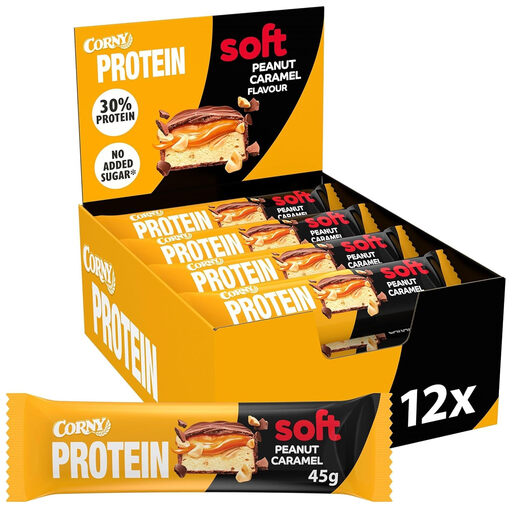
Corny Soft Peanut-Caramel Protein Bar, 12 × 45 g
Another packaged snack option if milk, soya, peanuts and barley aren’t ingredients you need to avoid.
The product information lists these allergens; it may contain traces of nuts and eggs. Also note the warning that excessive consumption may have a laxative effect.
View at Joybuy
 No image available
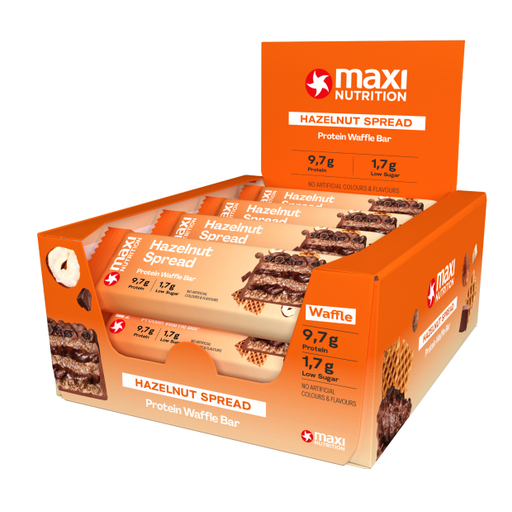
Maxi Nutrition Muesli Nut Butter Protein Wafer Bar, 12 × 39 g
A protein wafer bar to take with you if the listed ingredients suit your dietary requirements.
The product information lists wheat, milk, soya and hazelnuts; it may contain traces of other nuts. It warns that excessive consumption may have a laxative effect.
View at Joybuy
Frequently asked questions
Is a vegan protein bar automatically allergen-free?
No. Barebells lists soya and wheat as protein sources in its vegan bars, for example, while ESN warns that its vegan bars may contain traces of cereals containing gluten, milk, peanuts and nuts. So always check the specific variety.
Where can I find allergen information for a protein bar?
Check the ingredients list and highlighted allergens on the packaging. The German Food Federation explains that the 14 most common causes of food allergies and intolerances must be labelled there; information about possible accidental traces may also appear in a separate ‘may contain’ warning.
What does ‘may contain traces of …’ mean?
This voluntary warning doesn’t mean the bar definitely contains the allergen named. It indicates that accidental presence is possible. If you need to avoid that allergen, take the warning into account when choosing.
Do I need a protein bar for a street festival?
No, a protein bar isn’t essential for a festival. The German consumer advice centre says that most people don’t automatically need extra protein; a bar can make a suitable snack if the ingredients, serving size and storage conditions work for you.
What should I bear in mind when taking a bar with me?
Check that the packaging is undamaged, note the best-before date and follow the storage instructions for that variety. The German Food Federation explains that the best-before date applies to unopened products stored appropriately.


