A protein bar can be a good choice for a study break if its portion size, ingredients and allergen information suit your needs. If you also exercise, you can factor the protein per bar into your overall diet; a high protein content alone, however, won’t help you concentrate. The Zurich University of Applied Sciences highlights the importance of overall eating habits and getting enough sleep during study periods, rather than relying on individual foods.
Who might be interested in a protein bar?
Students with little time between commitments
An individually wrapped bar is easy to take with you as an occasional snack. It’s no substitute for regular meals, though: the German Federal Centre for Nutrition recommends planning what you eat and drink throughout the day.
People who exercise during exam season
If studying and training coincide, knowing the protein content per bar can make planning easier. Your total daily intake is still what matters; the German Nutrition Society assesses any increased requirement according to training volume, training status and goals.
People with specific ingredient requirements
If you avoid animal-derived ingredients or need to take allergens into account, check the specific variety. Ingredients and ‘may contain’ information can vary between bars from the same brand.
Which buying criteria matter?
First, decide what you actually want to use the bar for. Then compare the information for a single bar and, if you have specific dietary requirements, check the ingredients and allergen labelling for the variety you’ve chosen.
| Criterion |
What to check |
Who it matters to |
| A measured protein portion |
Compare the protein in grams per bar with the bar’s weight; don’t confuse the figures per 100 g with the portion you’ll eat. |
If I exercise alongside studying, I want to know how much protein my actual portion contains. This is the main consideration for around 31% of consumers. |
| A sweet snack |
Check the sugar, energy and polyols per bar, as well as the ingredients; the words ‘no added sugar’ alone aren’t enough to assess it. |
I’m looking for something sweet for a break and want to compare its ingredients with other snacks. Around 31% of consumers put this preference first. |
| Ingredients and tolerability |
Read the ingredients list, allergen information and any ‘may contain’ warnings for each variety; don’t assume a product is plant-based just from the brand name. |
If I avoid animal-derived ingredients or need to take certain allergens into account, the specific recipe determines my choice. This is the most important criterion for around 23% of consumers. |
| A snack for a study break |
Check the portion size and nutritional information, and plan to have the bar as a snack rather than a replacement for regular meals. |
When I’m moving between places to study and other commitments, I mainly need a convenient snack, without expecting it to improve my concentration. Around 15% of consumers put this practical use first. |
Which mistakes can you avoid?
-
Confusing protein percentage with grams per bar
A percentage shows a proportion, not the amount of protein in a serving. In 2025, Lebensmittelklarheit reported that a market survey in North Rhine-Westphalia found protein information presented in different ways on bars.
Compare the grams of protein in the amount you’ll actually eat, and bear the bar’s weight in mind.
-
Taking ‘no added sugar’ as a verdict on the whole bar
This claim tells you neither the total energy content nor whether the bar will suit you. According to the consumer advice centre, sugar substitutes can have a laxative effect when consumed in large quantities.
Read the nutritional information and ingredients per portion, particularly the sugar and polyols. If you’re sensitive to these, don’t try a new variety for the first time immediately before a long exam.
-
Making a bar your regular meal
A single protein bar is not a reliable way to improve concentration and is no substitute for a varied diet with regular meals. This is highlighted in guidance from the Zurich University of Applied Sciences and the German Federal Centre for Nutrition.
Plan to have the bar as an occasional snack, and keep an eye on what you eat and drink throughout the day.
-
Assuming all products from a brand have the same ingredients
Protein bars from the same brand can contain different protein sources, allergens and ‘may contain’ warnings. Barebells, for example, distinguishes between its plant-based bars and its non-vegan Original and Soft ranges.
If you have allergies or follow a plant-based diet, check the labelling for the specific variety rather than relying on a general description of the brand.
Brands to consider
The details below relate to the protein bar ranges mentioned, not every product from each brand. The information for the specific variety still matters when choosing.
ESN
ESN’s Designer Bar range includes individually portioned protein bars in a variety of flavours.
- For the version shown, ESN publishes nutritional information per 45-g bar.
- The manufacturer’s information lists, among other things, milk ingredients and sweeteners, as well as a warning that excessive consumption may have a laxative effect. The ingredients and nutritional values for the variety you choose are what count.
Barebells
Barebells offers Original, Soft and plant-based protein bars as separate ranges.
- The ranges offer a choice of different flavours and recipes.
- Barebells says its Original and Soft bars are not vegan. Check the information on lactose, nuts and potential traces for the specific variety.
Layenberger
Layenberger offers High Protein bars as well as separate vegan product options.
- For the High Protein Mixbox shown, Layenberger lists 15.8–16.1 g of protein per bar, depending on the variety.
- According to Layenberger, the High Protein version described contains milk, whey and soya protein, among other ingredients, as well as bovine collagen hydrolysate; it should not be confused with a vegan version.
nu3
nu3 offers Fit Protein Bars and Fit Vegan Bars, which are described as plant-based.
- The separate ranges make it easier to find a variety labelled as plant-based.
- Check the ingredients, allergens and nutritional information for the version you choose; a product range name doesn’t answer all these questions.
Protein bars at Joybuy
These protein bars cater to different needs for a study break: individually portioned snacks, bars to help you factor protein into your training diet, and a variety labelled as vegan. Compare the specific pack with your requirements for ingredients and nutritional values.
 No image available
ESN Protein Designer Bar Hazelnut Nougat, 12 × 45 g
These individually wrapped bars could work for a study break or as a post-workout snack. The product information lists milk, soya and hazelnuts, as well as possible traces of peanuts and other nuts; it also warns of a possible laxative effect if consumed in excess.
View at Joybuy
 No image available
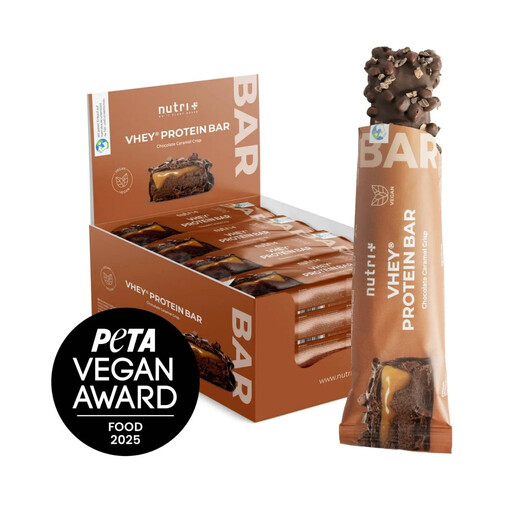
Nutri+ Whey Protein Bar Chocolate Caramel Crisp, 12 × 50 g
The pack size makes it easy to take individual bars with you. If you need a plant-based recipe, check the ingredients on the pack particularly carefully: the word ‘Whey’ conflicts with the available information about plant protein sources. Peanuts and the sweeteners listed should also be taken into account when choosing.
View at Joybuy
 No image available
Power System Low Carb Cookies & Cream Protein Bar, 40 g
This 40-g bar can be planned as a single snack. If you’re looking for a particular amount of protein in this portion, check the number of grams on the pack rather than relying on the advertised protein percentage. The product information lists milk and soya, as well as possible traces of other allergens.
View at Joybuy
 No image available
Barebells Vegan Protein Bar Peanut Caramel, 12 × 55 g
This variety is labelled as vegan, making it relevant if you’re looking for a plant-based recipe, but that doesn’t mean it’s free from all allergens. The product information lists wheat and soya protein, as well as peanuts. If you’re planning your protein intake, check the value on the current pack, as the highlighted claim and nutritional table differ.
View at Joybuy
No image available
Premier Protein High Protein Bar 50% Double Chocolate Cookie, 16 × 40 g
The pack contains individually wrapped bars to take with you. If you want to plan your protein intake per snack, check the number of grams per bar on the pack. The product information lists milk, soya and collagen, as well as possible traces of peanuts, nuts and cereals containing gluten.
View at Joybuy
Frequently asked questions
Does a protein bar help you concentrate?
A protein bar is not a proven aid to concentration. For study periods, the Zurich University of Applied Sciences highlights overall eating habits and getting enough sleep, rather than the effect of a single snack.
Do I need a protein bar after recreational exercise?
A protein bar isn’t generally necessary after recreational exercise. The German Nutrition Society says that healthy adults aged 19 to under 65 who exercise for no more than five hours a week do not normally need extra protein; for higher training volumes, recommendations depend on training status and goals. Your overall diet matters, not a particular snack.
Is a bar with no added sugar automatically low in calories?
No. The claim ‘no added sugar’ doesn’t tell you the total energy content and doesn’t rule out sugar alcohols. Check the nutritional information and ingredients per bar; the consumer advice centre notes that sugar substitutes can have a laxative effect when consumed in large quantities.
What does a claim about maintaining muscle mean?
The claim ‘Protein contributes to the maintenance of muscle mass’ is listed in the European Commission’s EU Register, but it applies only when the conditions for the food making the claim are met. You need to check separately whether a specific bar meets those conditions; this does not mean it will improve concentration or guarantee a particular training result.


