When choosing a protein bar for a study session, start by considering what you need to avoid, then check the information for the specific flavour. ‘Vegan’ doesn’t mean allergen-free, and ‘no added sugar’ doesn’t rule out sweeteners. If you have an allergy, the current ingredients list and allergen information take priority over protein content and flavour.
Who should take extra care when choosing?
Students who need to avoid a specific allergen
If you need to watch out for a particular ingredient, its specific allergen information matters more than a general free-from claim. The Federal Office of Consumer Protection and Food Safety lists 14 substances and products that must be clearly labelled as allergens. Check the information for the specific flavour on the current packaging.
Students following a vegan diet or avoiding gluten
For a snack during exam revision, you need a claim that matches your specific requirements. A vegan recipe, for example, may contain wheat or soya; conversely, a ‘gluten-free’ label doesn’t tell you whether a bar is vegan.
Students comparing ingredients and sweeteners
If you’re looking for a portion-sized snack with a recipe that suits you, check the ingredients and serving size as well as the protein content. With bars that have no added sugar, it’s particularly worth checking the sweeteners and any product-specific consumption advice.
What should you look for when buying?
First, decide what the bar must not contain. Then compare only flavours whose ingredient information lets you check this; protein content and pack size come into play when narrowing down your options further.
| What matters when buying |
What to check |
Who should pay particular attention? |
| Avoiding a specific allergen |
Read the current ingredients list and the highlighted allergen information for the specific flavour. |
If I need to avoid a particular substance, a general free-from label isn’t enough to help me choose. Around 36% of consumers put avoiding a specific allergen first. |
| Choosing vegan or gluten-free |
Check the claim for the specific flavour, and read separately for any other relevant ingredients. |
My diet requires a product that is explicitly labelled vegan or gluten-free, without assuming these mean the same thing. This dietary requirement is the main consideration for around 29% of consumers. |
| Checking sweeteners and ingredients |
Check the ingredients list for sweeteners and sugar alcohols, as well as any consumption advice. |
On a long study day, I want to know which sweeteners are in the bar rather than relying on ‘no added sugar’ alone. For around 21% of consumers, the ingredients are the most important consideration. |
| Comparing protein content and pack size |
Compare the protein per bar, bar weight and ingredients across different flavours. |
If I regularly take a bar with me, I want to be able to assess the portion size and protein content. Around 14% of consumers prioritise this when choosing. |
Common misconceptions
-
Assuming ‘vegan’ means ‘allergen-free’
A vegan protein bar may still contain ingredients such as wheat, soya or peanuts. A claim about animal-derived ingredients therefore doesn’t answer questions about your individual allergies.
First identify the substance you need to avoid, then check the ingredients list and allergen information for the specific flavour.
-
Assuming ‘no added sugar’ means ‘no sweeteners’
A bar described this way may still contain sweeteners. The consumer advice centre points out that large quantities of sugar alcohols can have a laxative effect.
Read the ingredients list and any consumption advice, especially if you’re not familiar with the recipe.
-
Assuming more protein means better study performance
A bar’s protein content doesn’t prove it can improve your concentration or exam results. Nor does it tell you whether its other ingredients suit your needs.
Compare the bar with other suitable snack options and assess its protein content alongside the portion size and ingredients.
-
Choosing based only on the product name or shop filter
A name such as ‘vegan’ or ‘no added sugar’ doesn’t replace the information you need to check whether a specific ingredient is excluded.
Before ordering, open the information for the exact flavour and compare it with the current labelling on the packaging.
Brands and product ranges to consider
Barebells
Alongside its other protein bars, Barebells offers a separate vegan range.
- Barebells states that its vegan protein bars contain 15 g of plant protein per bar and have no added sugar.
- According to Barebells, depending on the recipe, the vegan range may include protein sources such as wheat or soya. If you need to avoid either, check the specific flavour.
KoRo
KoRo’s individual vegan protein bars can be assessed by checking their specific ingredients.
- The Vegan Protein Bar Deluxe Raspberry Choc is labelled as vegan.
- KoRo lists maltitol and sucralose for this flavour and warns that excessive consumption may have a laxative effect. This information applies to the named flavour, not the range as a whole.
ESN
If you need to avoid gluten, the specific flavour in the Designer Bar range matters.
- ESN specifically identifies Fudge Brownie, Hazelnut Nougat, Almond Coconut and Peanut Caramel as gluten-free Designer Bar flavours.
- This claim doesn’t apply to every flavour in the range, and it doesn’t answer any other questions about allergens or animal-derived ingredients.
Protein bars at Joybuy
These bars offer two different ways to choose a study-break snack: options labelled ‘no added sugar’ and a bar labelled vegan. To decide whether a particular flavour is suitable if you need to avoid a specific allergen, check its ingredients and allergen information.
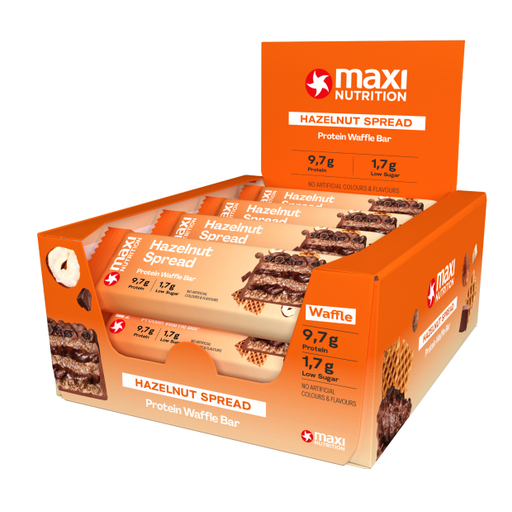 Image unavailable
Maxi Nutrition Muesli Nut Butter Protein Wafer Bars, 12 × 39 g
A portion-sized snack option if you’re looking for a protein bar labelled ‘no added sugar’. The product name states 25% protein; according to the product description, wheat, milk, soya, hazelnuts and maltitol are among the ingredients to consider. If you need to avoid any of these, check the current labelling.
View at Joybuy
 Image unavailable
Corny Crunchy Cookie Flavour Protein Bar, 12 × 45 g
When choosing a bar labelled ‘no added sugar’, it’s also important to check the other ingredients. The product name states 30% protein; according to the description, milk, soya, cereals containing gluten, peanuts, nuts, maltitol and sucralose are among the ingredients to consider. Check the current labelling against anything you need to avoid.
View at Joybuy
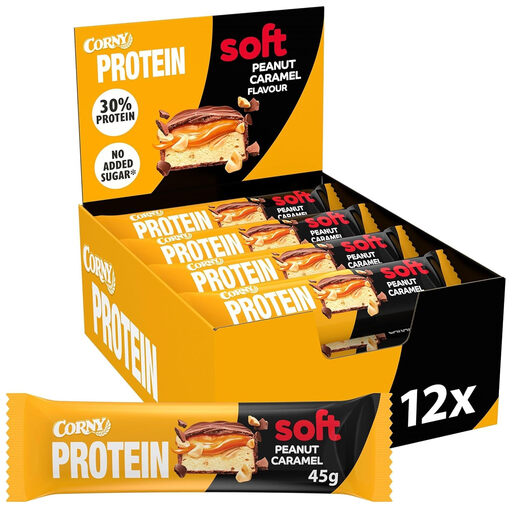 Image unavailable
Corny Protein Bars Soft Peanut-Caramel Flavour no added sugar, 12 × 45 g
This Peanut-Caramel flavour is another portion-sized option labelled ‘no added sugar’. The product name states 30% protein; according to the description, milk, soya, peanuts, barley and maltitol are relevant ingredients, and possible traces of nuts and eggs are also mentioned. If you need to avoid any of these, this bar isn’t suitable.
View at Joybuy
 Image unavailable
Barebells Vegan Protein Bar Peanut Caramel, 12 × 55 g
An option labelled vegan for anyone looking to avoid animal-derived ingredients. According to the product description, this flavour contains wheat protein, soya protein and peanuts, as well as maltitol and sucralose; vegan doesn’t mean allergen-free. If you have an allergy, check the current packaging, including for possible traces. The description and nutrition table give different figures for the protein content per bar.
View at Joybuy
Frequently asked questions
Is a vegan protein bar automatically allergen-free?
No. A vegan label doesn’t rule out ingredients such as wheat or soya. Barebells lists these as possible protein sources in its vegan range; if you have an allergy, check the ingredients and allergen information for the specific flavour.
What should I look for in a protein bar’s allergen information?
Check the ingredients list for the specific flavour to see whether it contains the substance you need to avoid, and read the highlighted allergen information. The Federal Office of Consumer Protection and Food Safety lists 14 substances and products that must be clearly labelled as allergens; a general free-from claim isn’t a substitute for checking the specific information.
Can a protein bar with no added sugar contain sweeteners?
Yes. ‘No added sugar’ doesn’t rule out sweeteners. For example, KoRo lists maltitol and sucralose in its Vegan Protein Bar Deluxe Raspberry Choc, so check the ingredients list and any consumption advice for your chosen flavour.
What information do I need to check when buying online to avoid an allergen?
You need the ingredients and allergen information for the exact flavour before choosing it. According to the consumer advice centre, food information that also appears on the packaging should be accessible when shopping online; check the details against the current packaging when your order arrives.


