During the summer holidays, a protein bar can be a handy snack if its protein content per portion, ingredients and pack size suit your plans. You don’t automatically need a particularly high amount of protein: according to the German Nutrition Society, adults who take part in recreational sport do not generally need more protein. If you follow a vegan diet, have allergies or are sensitive to sugar substitutes, pay particular attention to the details for the specific variety.
Who might consider protein bars?
Active holidaymakers
If you want a portable snack after a workout or on a longer day out, a clear protein figure per bar can help you choose. That doesn’t mean a bar is essential after recreational exercise: according to the German Nutrition Society, adults who take part in recreational sport do not generally need more protein.
People following a plant-based diet or with specific ingredient requirements
If you avoid animal ingredients or need to check for allergens, the labelling on each variety matters. Plant-based protein sources, sugar content and allergen information answer different questions; the word ‘vegan’ is no substitute for checking the ingredients list.
People packing snacks for days out
For several days of holiday outings, it’s useful to know how many bars are in the pack, the weight of each bar and the protein content per portion. This helps you tell a small snack from a larger individual portion before you pack your supplies.
What should you look for when choosing?
Start by comparing the figures per bar, then check the ingredients and information for the specific variety. If you’re stocking up, it’s also useful to know how many portions are in the pack.
| What matters to you |
What to check |
Who it matters to |
| Protein per portion |
Check the protein content in grams alongside the weight of each bar; a percentage alone doesn’t tell you how much is in a portion. |
After a workout or on a long, active day, I want to know exactly how much protein is in the bar I’ve packed. This portion is the priority for around 36% of consumers. |
| Diet and allergens |
Check the ingredients, protein sources and allergen information for the variety you’ve chosen. |
If I need to avoid animal ingredients or specific allergens, the exact recipe determines whether a bar is suitable for me. Around 29% of consumers prioritise this. |
| Sugar and sweeteners |
Check the sugar content per bar, the sweeteners used and any guidance on consumption. |
Before a long journey, I want to know which sweeteners are in the snack and whether there’s any advice on how much to eat. This is the main consideration for around 21% of consumers. |
| Stocking up and portion size |
Compare the weight of each bar, the number of bars and the storage instructions for the pack in question. |
For several days out, I want to pack enough suitable individual portions without treating small and large bars as if they were the same. This kind of planning comes first for around 14% of consumers. |
Common buying misconceptions
-
Assuming ‘high protein’ means you personally need more
A claim on the packaging doesn’t tell you whether you need extra protein. The German Nutrition Society does not generally consider a higher protein intake necessary for adults who take part in recreational sport.
Choose a bar as a snack for on the go if it suits your diet and daily routine, rather than adding it to your plans just because of the claim on the wrapper.
-
Assuming ‘no added sugar’ gives you the full picture
A bar labelled this way may still contain sweeteners. According to the consumer advice centre, consuming large amounts of sugar substitutes can have a laxative effect.
Read the nutrition information, ingredients list and consumption guidance together. If you haven’t tried a bar before, bear this in mind before a long drive or walk.
-
Assuming ‘vegan’ means allergen-free
A plant-based recipe can still contain nuts or other allergens that must be declared. The sugar content can’t be determined from the vegan label either.
Check the ingredients and allergen information for your chosen variety, and compare sugar levels using the nutrition information.
-
Looking only at the number of bars when buying in bulk
Bars can vary in weight and protein content per piece. The number of bars alone therefore tells you little about the portions you’ll be packing.
Compare the pack contents, weight per bar and protein per bar before planning your supplies for several days.
Brands to help you choose
Barebells
Barebells offers protein bars in a range of recipes and portion sizes.
- Barebells lists 20 g of protein per Salty Peanut bar; Rossmann lists 15 g per 55-g bar for Vegan Caramel Choco Chip.
- Check your chosen variety for animal ingredients, allergens and sweeteners. The information for one bar doesn’t necessarily apply to the rest of the range.
Sportness
dm lists Sportness bars in a range of varieties and sizes.
- The dm listing gives one protein bar as containing 60% protein and weighing 45 g.
- Compare the protein content, weight and ingredients for each variety separately; the details for this option don’t describe the whole range.
KoRo
The KoRo Organic Protein Bar Hazelnut listed by dm is labelled as a vegan option.
- dm lists this bar as containing 25% protein.
- If you have a nut allergy, check the allergen information carefully. Compare the sugar content separately rather than inferring it from the vegan label.
IronMaxx
The Protein 30 range includes bars in a 35-g format.
- IronMaxx lists Protein 30 as containing 30% protein.
- When planning an individual portion, consider the protein percentage and the bar’s weight together.
WellMix
Rossmann lists a vegan WellMix protein bar in Chocolate Brownie flavour.
- The product name states that it contains 32% plant protein.
- Check the full nutrition information and ingredients list for this variety; the protein percentage alone doesn’t tell you everything about the bar.
Protein bars for on the go at Joybuy
This selection includes protein bars and a Protein Bite in a range of portion and pack sizes for on the go. Check the details on the current packaging for each option, especially if specific ingredients or the exact protein content per portion matter to you.
 Image unavailable
Barebells Cookies & Cream protein bar, 12 × 55 g
This 12-pack is worth considering if you’re planning to take bars of the same portion size on several days out.
Pack information in the product name: 12 bars at 55 g each. Before buying, check the current protein content, ingredients and allergen information for this variety.
View at Joybuy
 Image unavailable
Barebells Vegan Peanut Caramel protein bar, 12 × 55 g
If you’re looking for a bar labelled vegan to take with you over several days, this variety is one option. If you have allergies, the current ingredient labelling is still essential.
Pack information in the product name: 12 bars at 55 g each. Check the protein content on the packaging particularly carefully, as product information can vary from one individual portion to another.
View at Joybuy
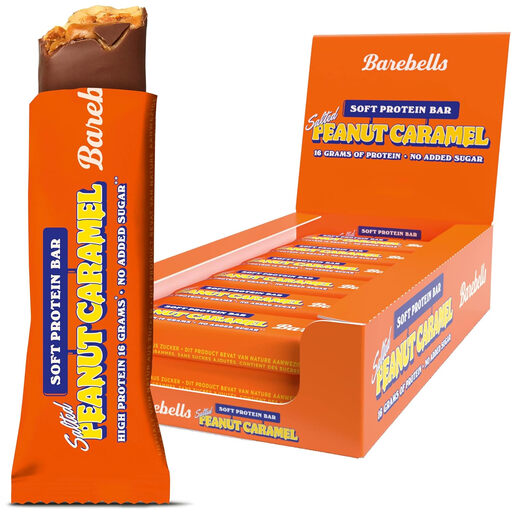 Image unavailable
Barebells Soft Salted Peanut Caramel protein bar, 12 × 55 g
This 12-pack is handy for planning several snack portions of the same size; if you follow a vegan diet, the ingredients list for this variety is particularly important.
Pack information in the product name: 12 bars at 55 g each. Before buying, check the protein content per bar, peanut and milk ingredients, and any information about sweeteners.
View at Joybuy
 Image unavailable
Corny Protein Crunchy Vanilla & White Choc, 12 × 45 g
This pack offers twelve smaller bars for taking on the go; consider the protein content alongside the weight of each bar.
The product name states 30% protein and 12 bars at 45 g each. Check the ingredients, allergen information and guidance on sweeteners for this variety.
View at Joybuy
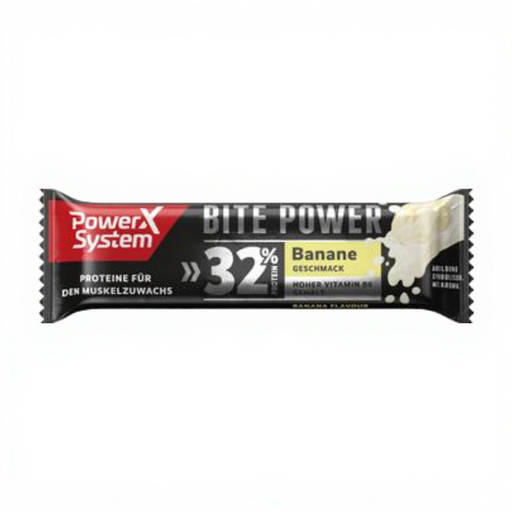 Image unavailable
Power System 32% Protein Bite Power Banana, 35 g
The 35-g size is worth considering if you’d like to pack a smaller portion for on the go.
The product name states 32% protein. To compare it with larger bars, check the nutrition information per portion, along with the ingredients and allergen information.
View at Joybuy
Frequently asked questions
Do I need a protein bar after recreational exercise on a summer holiday?
Not necessarily: according to the German Nutrition Society, adults who take part in recreational sport do not generally need a higher protein intake. A bar can still be a handy snack to take with you if it fits in with the rest of your diet.
Does ‘no added sugar’ mean the same as sugar-free?
No, the terms don’t mean the same thing. Check the sugar content in the nutrition information and look for sweeteners in the ingredients list. According to the consumer advice centre, consuming large amounts of sugar substitutes can have a laxative effect.
Are vegan protein bars automatically suitable for people with allergies?
No. A vegan label doesn’t tell you whether a bar contains nuts or other allergens that matter to you. Always check the ingredients and allergen information for the specific variety.
How do I compare protein bars of different sizes?
Compare the protein content in grams per bar alongside the weight of each bar. A protein percentage alone doesn’t tell you how much protein is in an individual portion. If you’re stocking up, the number of bars in the pack also matters.


