Parents looking for a quick snack for their toddler
You may want a small snack ready to take to nursery, the playground or for the afternoon. Gesund ins Leben’s advice on regular meals offers a different starting point from adult sports nutrition.


For healthy toddlers, typical high-protein bars marketed for sport are not an obvious everyday snack choice. Gesund ins Leben recommends regular small snacks, which could include familiar foods such as fruit or vegetables with cereal or dairy products. If you’re concerned about your child’s growth or diet, ask a paediatrician to assess their individual needs rather than relying on an adult protein bar as a solution.
You may want a small snack ready to take to nursery, the playground or for the afternoon. Gesund ins Leben’s advice on regular meals offers a different starting point from adult sports nutrition.
If your child is a very fussy eater or is gaining noticeably little weight, a protein claim may seem appealing. However, it’s best to discuss your concerns with a professional before choosing an adult bar for this purpose.
If you buy protein bars for yourself, keep your own reasons for eating them separate from snack planning for a toddler. Barebells, ESN and IronMaxx describe the bars featured here in terms of sport or adult healthy eating.
First decide whether you’re looking for an everyday snack for your toddler or a protein bar for an adult. For a child’s snack, consider the ingredients, when and where it will be eaten, and any individual dietary restrictions.
| What you need | What to check when buying | Who it matters to |
|---|---|---|
| Everyday snack | Plan a small portion of familiar foods and include it as part of a regular meal routine. | I’d like to offer something in the afternoon that fits in with my child’s other meals. For around 42% of consumers, this everyday routine is likely to be the main priority. |
| Easy to take along | If you’re considering a packaged bar, check the ingredients and allergen information for that particular variety. | I need a snack I can take with me quickly when we’re out, without overlooking what’s in it. Convenience is likely to be the main priority for around 33% of consumers. |
| Concern about nutrition | If unusual eating habits or a weight pattern continue, ask a paediatrician to assess your child’s individual needs. | My child eats a very limited range of foods or is gaining noticeably little weight, and I’d like to understand why. This is likely to be the main concern for around 17% of consumers. |
| Adult protein bars | Don’t plan to give your child a sports snack bought for adults just because it contains protein. | I already buy protein bars for myself and wonder whether my child can have one too. This transfer of an adult snack choice is likely to be the main question for around 8% of consumers. |
A protein claim describes a food’s properties; it doesn’t tell you about your child’s individual needs or whether the food is suitable for their age. ESN and IronMaxx, for example, present the products featured here in a sports or training context.
Don’t choose a snack for your child based on a protein claim alone. If you’re concerned about their growth or diet, having their needs assessed is a more helpful next step.
On its own, this claim doesn’t tell you about all the other ingredients. Product information for the Barebells and IronMaxx bars featured here also lists sweeteners or sugar alcohols.
Check the ingredients for the particular variety rather than relying only on the claim on the front of the pack.
Even a small portion may contain ingredients or carry a precautionary allergen warning that matters if your child has a known allergy. The Barebells and IronMaxx products described here list ingredients such as milk, soya or nuts.
Check the labelling for each variety again, especially if the recipe has changed. If your child has a diagnosed allergy, follow the advice in their individual care plan.
A bar that’s ready to grab can make it tempting to offer snacks outside your usual mealtimes. Gesund ins Leben recommends a regular mealtime routine for toddlers, including smaller snacks between meals.
Plan a small snack as part of a regular break between meals. You can also prepare familiar foods to take with you when you’re out.
These brand examples help distinguish information about protein bars for adults from the question of what to offer a toddler as a snack.
Barebells describes its Mix Box as a selection of protein bars and says that, depending on the variety, each bar contains up to 20 g of protein.
According to its Help Centre, ESN’s Designer Bar is aimed at athletes and health-conscious adults; each 45-g bar is listed as containing 14 g of protein.
IronMaxx describes the Proteino wafer bar featured here as being suited to training and an active diet.
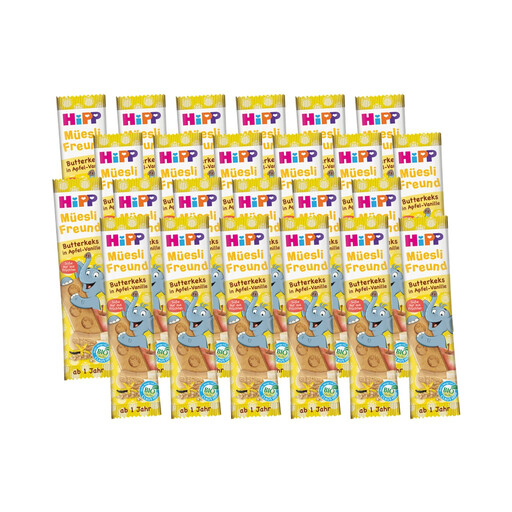
This bar is labelled as a snack to take with you for children aged 12 months and over. It’s a different type of product from the high-protein bars marketed to adults, and doesn’t replace variety in your child’s usual snacks.
 No image available
This individually wrapped bar could be an option for a snack from 12 months when you’d like to take a portion with you on the go.
Multipack of 24 bars, each weighing 20g. Before offering one to your child, check the ingredients and allergen information on the pack, and supervise them while they eat.
A typical high-protein bar marketed for sport isn’t an obvious everyday snack choice for a toddler. Gesund ins Leben recommends regular, smaller snacks; these could include fruit or vegetables alongside bread, muesli, milk or yoghurt.
The protein claim doesn’t tell you whether a bar suits your toddler’s individual needs or snack time. Instead, check what the product is intended for, along with its ingredients and nutritional information.
Check the ingredients and allergen information for the particular variety before offering a packaged bar. The Barebells and IronMaxx products described here show that milk, soya, nuts or relevant precautionary allergen warnings may apply, depending on the bar. If your child has a diagnosed allergy, follow the advice in their individual care plan.
No. This claim alone doesn’t tell you about the full recipe or whether the bar is suitable for a toddler. The adult bars described here also contain sweeteners or sugar alcohols, so check the ingredients for the particular variety.
If unusual eating habits or a concerning weight pattern persist, ask a paediatrician to assess your child rather than choosing a high-protein bar yourself as a way to make up for it. This can help establish whether they have any particular nutritional needs.