Commuters after a workout
If you want a portioned snack after exercising, you can compare the grams of protein per bar. A percentage shown on the front of the pack doesn’t automatically tell you how much protein is in the portion you eat.


A single-portion protein bar is a good choice for your commute if you want to take a snack with a clear protein content on the go. Compare the protein and sugar per bar you’ll actually eat, and check the polyols, ingredients and allergens. A vegan recipe alone doesn’t mean a bar is suitable for people with allergies.
If you want a portioned snack after exercising, you can compare the grams of protein per bar. A percentage shown on the front of the pack doesn’t automatically tell you how much protein is in the portion you eat.
If you want something sweet with your coffee but are keeping an eye on sugar, check the sweeteners and polyols too. How well you tolerate them can matter, especially on a longer journey.
If you’re choosing a vegan bar, check the recipe for the specific variety. If you also need to avoid certain allergens, check the ingredients and may-contain information separately from the vegan label.
First, decide which feature matters most for your train snack. Then compare the information per bar: the Consumer Advice Centre of North Rhine-Westphalia points out that a protein percentage shouldn’t be confused with the grams of protein per portion.
| Criteria | What to check | Who it matters to |
|---|---|---|
| Protein per bar | Compare the grams of protein and the bar’s weight on the same portion basis. | After a workout, I want to know how much protein is in the bar I’ll actually eat on the go. For around 33% of consumers, this per-portion figure is the priority. |
| Sugar and how well you tolerate it | Check the sugar and polyols per portion, along with any serving guidance. | I’m looking for a sweet snack to have with my coffee, but I don’t want an unfamiliar bar to cause an unpleasant surprise on a long train journey. For around 27% of consumers, this combination is the priority. |
| Vegan recipe and allergens | Check the protein source, ingredients and may-contain information for the specific variety. | I need a plant-based recipe for my journey or have to avoid certain allergens; the label alone isn’t enough. Around 20% of consumers put these checks first. |
| Easy to buy again | Consider the pack size, individual portions and the variety you’d choose for regular shopping. | I want to pick up a bar as part of my usual shop and take only as many portions as I’ll use. For around 20% of consumers, this everyday convenience is the most important factor. |
In a 50-g bar, 20% protein works out to 10 g of protein, not 20 g. The Consumer Advice Centre of North Rhine-Westphalia highlights the difference between these two ways of measuring protein.
Read the nutritional information and check the protein figure against the portion you’ll actually eat.
A low sugar figure doesn’t mean a bar is free from polyols. The Consumer Advice Centre notes that larger amounts can cause bloating or diarrhoea.
Check the ingredients and serving guidance. It’s best not to try an unfamiliar bar for the first time just before a long journey.
A plant-based bar may contain, for example, wheat or soya protein, as well as other may-contain warnings. The vegan label isn’t a substitute for checking allergens.
If you need to avoid certain ingredients or allergens, read the label for the exact variety and pack you’re buying.
A protein bar can be a handy portioned snack, but its protein content alone doesn’t tell you about its other ingredients or how it fits into your overall diet.
Check that the portion size, nutritional values and ingredients suit the occasion you’re taking the bar for.
These examples show a range of recipes and portion sizes. Information about one variety shouldn’t be applied to every bar from the same brand.
A supermarket own-brand range at REWE for shoppers choosing protein bars as part of their grocery shop.
Single-portion protein bars; the Chocolate Salted Caramel bar is a useful example for comparing protein and sugar per bar.
A protein bar brand with a range of recipes, including varieties specifically labelled as vegan.
A brand offering protein bars in a range of flavours for snacking on the go.
These bars are worth considering as portioned snacks to take with you. The selection includes different pack sizes and one variety specifically labelled as vegan. Check the information on the specific pack when making your choice.
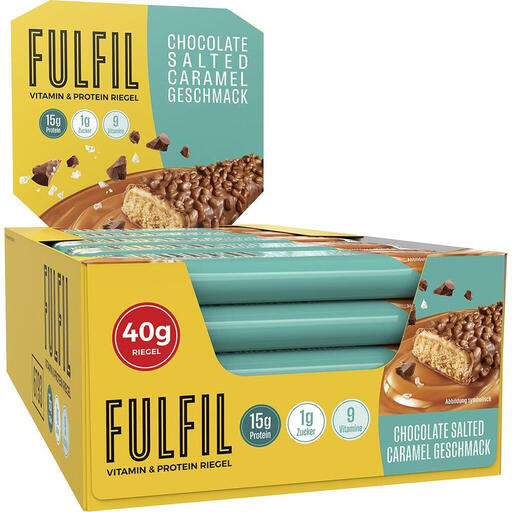 Image unavailable
For coffee on the go, if you want to compare the protein and sugar in each bar. REWE lists 15 g of protein and 1.0 g of sugar per 40-g bar for the Chocolate Salted Caramel variety. Also check the pack for information about polyols and allergens.
 Image unavailable
A variety specifically labelled as vegan for anyone looking to take a plant-based bar with them. The pack contains twelve 55-g bars. Check the protein information, ingredients and may-contain warnings on the pack for this Peanut Caramel variety; figures for other Barebells varieties don’t necessarily apply.
 Image unavailable
A portioned bar for shoppers who want to compare the protein in their snack with other varieties. The pack contains twelve 55-g bars, making the individual portion clear. For protein, sugar, ingredients and serving guidance, check the label for this Cookies & Cream variety.
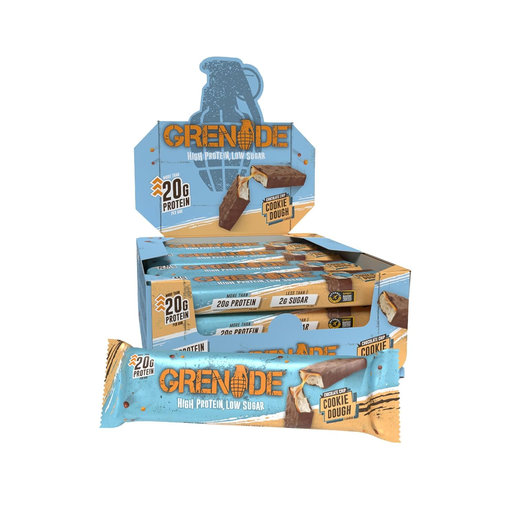 Image unavailable
For after a workout, if you’re looking for an individually portioned protein bar to take with you. The pack contains twelve 60-g bars. Compare the protein and sugar per bar, and check the ingredients, allergens and information about polyols.
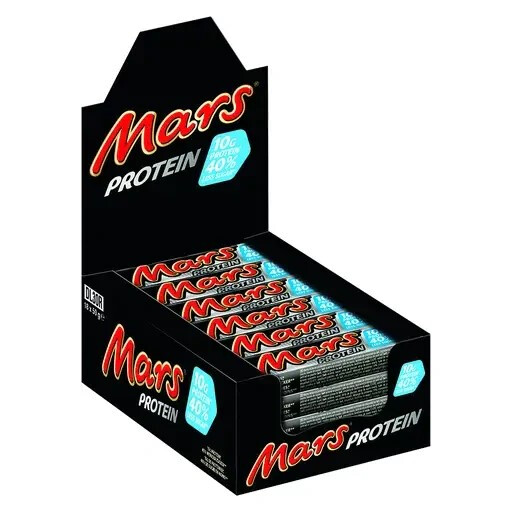 Image unavailable
A box of individually portioned bars for shoppers who like to pack a snack regularly. It contains eighteen 50-g bars. To compare them with other varieties, check the actual protein and sugar content per bar, as well as the ingredients.
There’s no general minimum amount per bar for this occasion. Compare the grams of protein per portion you eat and take into account what else you’re eating; you don’t need a protein bar simply because it has a high protein content.
No: in a 50-g bar, 20% protein works out to 10 g of protein. So check the bar’s weight and the protein in grams on the same portion basis.
As the Consumer Advice Centre explains, larger amounts of polyols can cause bloating or diarrhoea. Read the ingredients and serving guidance, and if possible, don’t try an unfamiliar bar for the first time just before a long journey.
No. For its vegan Caramel-Choco-Chip bar, Barebells warns that it may contain traces of milk, peanuts, tree nuts and sesame, among other things. Check the pack for the warnings that apply to the specific variety you’ve chosen.