When choosing a protein bar to have with your coffee on the train, the amount of protein in the portion you actually eat tells you more than a prominent claim on the front of the pack. Also compare the sugar, energy and ingredients in the specific variety. After a workout, a bar can make a convenient snack, but the Consumer Advice Centre says it isn’t automatically necessary to meet your protein needs.
Who might enjoy a protein bar with their coffee on the train?
Commuters looking for a snack on the train
If you’d like to take a portioned snack to have with your coffee, compare the protein content in grams per bar. The NRW Consumer Advice Centre points out that 20 g and 20% protein refer to different amounts in a 50 g bar.
People heading home after a workout
A bar can be easy to take with you between your workout, the station and your next meal. But a specialist bar isn’t automatically necessary to meet your protein needs: according to the Consumer Advice Centre, even people who exercise can get enough protein from everyday high-protein foods.
Vegan or ingredient-conscious rail travellers
If you’re looking for plant-based ingredients or need to avoid certain ingredients, check the label on each variety. A vegan bar, for example, may contain soya or wheat, while dairy ingredients may be relevant in conventional bars.
What should you look for when buying?
Start by checking what’s in one bar and whether its ingredients suit your diet. Then consider what else to compare based on whether you want it mainly for your journey, after a workout or as a sweet treat with your coffee.
| What to consider |
What to check |
Who it matters to |
| Protein per bar |
Check the protein in grams and the bar’s weight; don’t read percentages as gram amounts. |
If I eat a bar on the train, I want to know exactly how much protein is in that portion. For around 25% of consumers, this comparison is a priority when buying. |
| Post-workout snack |
Check whether you need a snack between meals; compare the protein and energy per bar with other snacks. |
Between a workout and my next meal, I want something I can take with me without any preparation, but I don’t want to assume I need a specialist bar. Around 31% of consumers prioritise this need. |
| Diet and ingredients |
Read the ingredients list and allergen information for the specific variety, particularly for milk, soya, wheat or nuts. |
If I eat a plant-based diet or need to avoid certain ingredients, the exact composition determines what I choose. Around 19% of consumers put this need first. |
| Sugar and sweeteners |
Compare the sugar and energy in the nutrition information, and check the ingredients list for sweeteners. |
I want to choose a sweet snack to have with my coffee and know what it’s sweetened with. This is a priority for around 25% of consumers. |
Common pitfalls when buying protein bars
-
Confusing the percentage of protein with grams per bar
The NRW Consumer Advice Centre uses a 50 g snack to show that 20% protein doesn’t mean 20 g of protein. A prominent claim on the front of the pack alone, then, isn’t enough to compare bars.
Check the bar’s weight and the amount of protein in grams per portion you’ll actually eat.
-
Assuming ‘no added sugar’ tells you everything about the bar
This claim doesn’t tell you how much sugar or energy the bar contains, or which sweeteners are used. According to the Consumer Advice Centre, consuming large amounts of sugar substitutes can have a laxative effect.
Compare the sugar and energy in the nutrition information, and read the ingredients list for the variety you’re interested in.
-
Thinking you need a bar after every workout
A bar can be a handy snack on the go, but it isn’t essential for getting enough protein after exercise. The Consumer Advice Centre also lists everyday high-protein foods as a way to meet your needs.
Think about what you’re actually planning to eat between your workout and your next meal before deciding whether to take a snack with you at all.
-
Assuming ‘vegan’ means allergen-free
Plant-based protein bars may contain ingredients such as soya or wheat. In non-vegan varieties, dairy ingredients or warnings about possible traces may also be important.
Check the ingredients and allergen information on the packaging of each specific variety.
Protein bar brands to consider
ESN
The Designer Protein Bar is one option to compare if you’re looking for a portioned protein bar to take with you.
- Depending on the variety, ESN lists 14–15 g of protein per 45 g bar.
- Check the ingredients and nutrition information for your chosen variety; the brand’s claims are no substitute for comparing individual products.
Barebells
Barebells offers both conventional and vegan protein bars, so your choice will depend on the product range and variety.
- Barebells lists up to 20 g of protein per conventional bar, depending on the variety, and 15 g of plant protein per vegan bar.
- According to Barebells, conventional bars may contain lactose or traces of it. Ingredients and allergens in vegan varieties should also be checked for each specific flavour.
PowerBar
PowerBar positions its 30% Protein Plus range as a protein bar to enjoy after an intensive workout or during the day.
- The range could be worth comparing if you’re looking for a snack to have on your way home after exercise.
- The brand’s positioning doesn’t tell you what your individual needs are. Compare the protein, energy, sugar and ingredients in the specific variety.
Protein bars and snacks on Joybuy for on the go
This selection includes portioned protein bars and a protein bite for your journey or as a post-workout snack. Check the specific ingredients and nutrition information to see whether a variety suits your diet.
 No image available
ESN Protein Designer Bar Hazelnut Nougat, 12 × 45 g
This individually portioned bar could make a handy snack for your train journey or after a workout.
Product information lists 14 g of protein per 45 g bar. It lists milk, including lactose, soya and hazelnuts, as well as sweeteners; check the ingredients and allergen information.
View on Joybuy
 No image available
Barebells Vegan Protein Bar Peanut Caramel, 12 × 55 g
This bar is labelled vegan, making it an option if you’re looking for a plant-based choice for your journey.
Product information gives two different protein amounts per bar: 14.3 g and 15 g. Check the figure on the pack. Wheat, soya and peanuts are relevant when checking the ingredients and allergen information. Maltitol and sucralose are listed as sweeteners.
View on Joybuy
 No image available
BE-KIND Protein Caramel Nut, 12 × 50 g
This individually portioned bar is easy to plan as a snack on the go.
Product information lists 12.5 g of protein per 50 g bar. Peanuts, milk and soya are listed; it may also contain other nuts.
View on Joybuy
 No image available
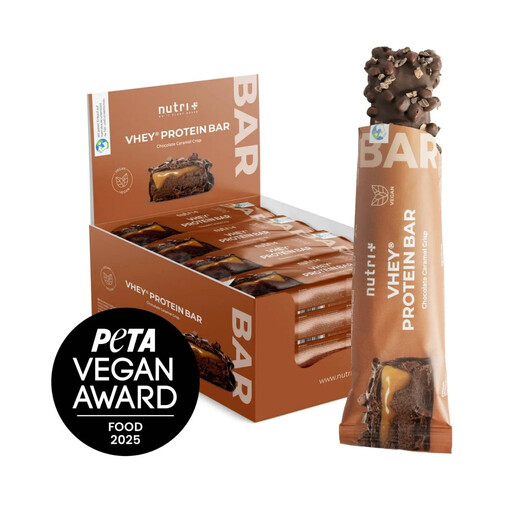
Nutri+ Whey Protein Bar Chocolate Caramel Crisp, 12 × 50 g
If you’re considering this bar for your journey, pay particular attention to its ingredients and the information on the specific pack.
The description lists 13 g of protein per 50 g bar, as well as pea and hemp protein. The product name and description give conflicting indications as to whether this is a whey or vegan bar, so don’t infer the diet type from the name or a single product description. Also check the sugar, energy and the listed sweeteners, maltitol and sucralose, on the packaging.
View on Joybuy
 No image available
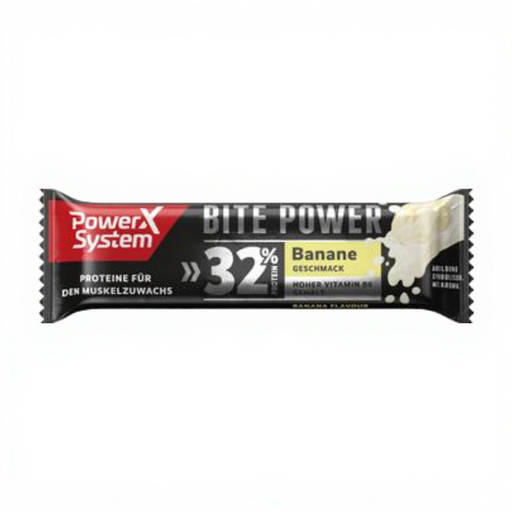
Power System 32% Protein Bite Power, Banana, 35 g
This 35 g bite is a smaller snack portion to take with you or enjoy after a workout.
The description lists 32 g of protein per 100 g. To compare it with a whole bar, check the protein amount per piece on the packaging. Milk, soya and egg are listed, along with bovine collagen as a source of protein.
View on Joybuy
Frequently asked questions about protein bars on the go
Is a ‘high protein’ claim enough to compare two bars?
No. Compare the protein in grams per bar and the weight of the portion. The NRW Consumer Advice Centre points out that, for a 50 g snack, 20 g of protein means something different from 20% protein.
Do I need a protein bar after a workout?
A protein bar isn’t automatically necessary after a workout. According to the Consumer Advice Centre, even people who exercise can meet their protein needs with everyday high-protein foods. A bar can still make a convenient snack on your way home.
What does ‘no added sugar’ tell me about a protein bar?
On its own, this claim doesn’t mean the bar is sugar-free, or tell you how much energy it contains or which sweeteners it uses. Check the nutrition information for sugar and energy, as well as the ingredients list for the specific variety.
Is a vegan protein bar also free from allergens?
No. ‘Vegan’ doesn’t mean allergen-free. Plant-based protein bars may contain ingredients such as wheat or soya; always check the ingredients and allergen information for the variety you choose.


