Travellers avoiding a particular allergen
For you, it’s the recipe of the individual bar that matters. Check your trigger against the ingredients list, highlighted allergens and, where applicable, the precautionary allergen label on the pack.


If you need to avoid a particular allergen or gluten on a train journey, start by checking the labelling for the specific bar: ‘vegan’ and protein claims are no substitute for this check. If you don’t need to avoid anything, you can then compare the ingredients, protein per bar and portion size. Check the information on the actual pack you’ve brought with you before eating it.
For you, it’s the recipe of the individual bar that matters. Check your trigger against the ingredients list, highlighted allergens and, where applicable, the precautionary allergen label on the pack.
An explicit gluten-free label can help you shortlist bars for your journey. If needed, check for other ingredients or allergens separately.
You want to avoid animal-derived ingredients and compare protein content. Still, check the specific variety: plant-based bars can contain peanuts or soya, for example.
When choosing protein bars for a train journey, any ingredients you need to avoid take priority over protein content. After that, the ingredients and nutritional information per bar will help you find a variety that suits your other preferences.
| Criteria | What to check when buying | Who it matters most to |
|---|---|---|
| Specific allergens | Ingredients list, highlighted allergens and, where applicable, the precautionary allergen label for the specific variety. | If I need to avoid a particular trigger, a general claim such as ‘vegan’ isn’t enough. For around 36% of consumers, checking for their specific allergen comes first. |
| Gluten | Explicit gluten-free labelling; check for any other ingredients you need to avoid separately. | For my journey, I need a variety clearly labelled gluten-free rather than assuming it’s suitable from a brief product name. Avoiding gluten is the top priority for around 29% of consumers. |
| Vegan ingredients | Vegan labelling and ingredients list, especially if there are other ingredients you need to avoid. | I want to take a bar without animal-derived ingredients, but may also need to avoid peanuts or soya separately. Around 21% of consumers put choosing vegan first. |
| Protein per bar | Compare the portion size and protein content per bar; check the ingredients and any sweetener warnings. | If there are no other ingredients I need to avoid, I want to know how much protein is in the portion I’m actually taking with me. For around 14% of consumers, this comparison is the main reason for buying. |
Vegan doesn’t mean free from peanuts, tree nuts or soya. For example, KoRo’s Vegan Peanut contains a peanut filling and soya protein.
Use the vegan label to shortlist products, then check the ingredients and allergen information for the specific variety if you have an allergy.
A gluten-free claim doesn’t tell you whether the bar contains milk, peanuts or soya, for example.
If you avoid gluten, look for the relevant label and check the pack separately for any other ingredients you need to avoid.
KoRo notes that the sweeteners in its Vegan Peanut can have a laxative effect if consumed in excess.
Read the warning on the pack, especially if you’re planning to take several bars with you.
A retailer’s filter for gluten-free protein bars doesn’t tell you about the ingredients or allergen information for a specific variety.
Check the exact variety before your journey and read the labelling on the pack you receive.
KoRo offers vegan protein bars in a range of recipes.
REWE PWR is a private-label brand with several protein bars for snacking on the go.
WEIDER offers several protein bar ranges with different product names and recipes.
These products cater to different preferences for a bar to take on a train journey: checking for gluten, choosing vegan ingredients or comparing portion sizes. None of these features replaces checking the pack for allergens you personally need to avoid.
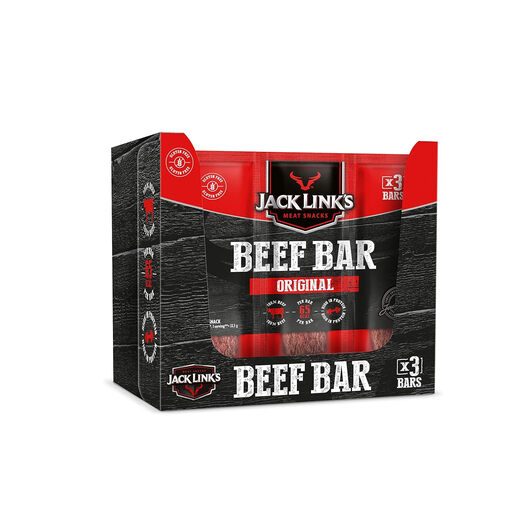 No image available
A bar to shortlist for taking with you; if you avoid gluten, check the gluten-free labelling on the pack.
Contains soya beans. If you need to avoid other allergens, check the current ingredients and precautionary allergen information too.
 No image available
For travellers looking for a vegan option whose other ingredients are compatible with their personal dietary requirements.
Contains peanuts, soya and wheat protein. Compare the protein content on the pack before buying; if you have allergies, check the precautionary allergen information too.
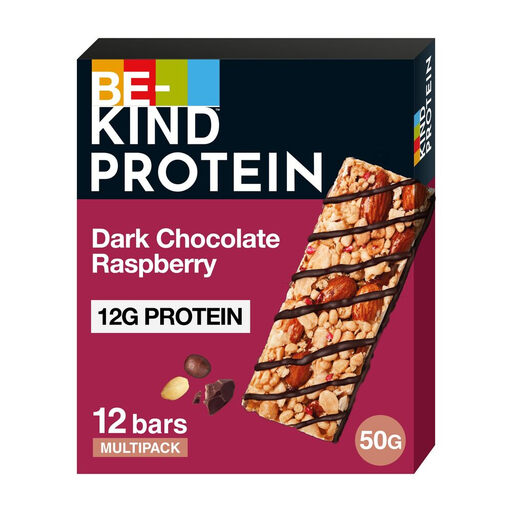 No image available
A bar to shortlist if you avoid gluten; check the gluten-free claim and the other ingredients on the specific pack separately.
Contains peanuts, soya, almonds and honey. According to the product information, it may contain traces of milk; as it contains honey, the bar is not vegan.
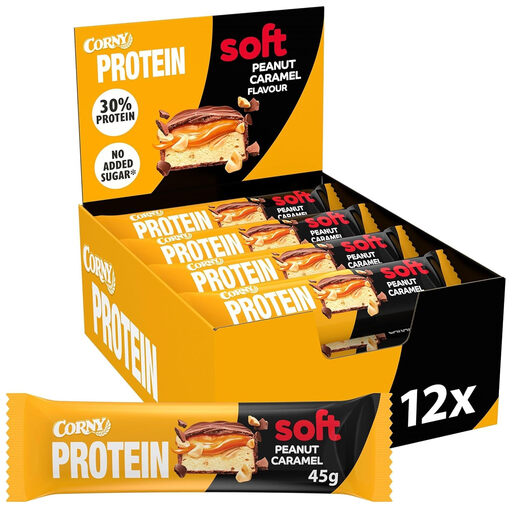 No image available
For travellers taking a bar from a multipack and wanting to compare the nutritional information per portion.
Contains milk, soya, peanuts and barley; may contain traces of tree nuts and egg. If you avoid gluten, check the specific product labelling.
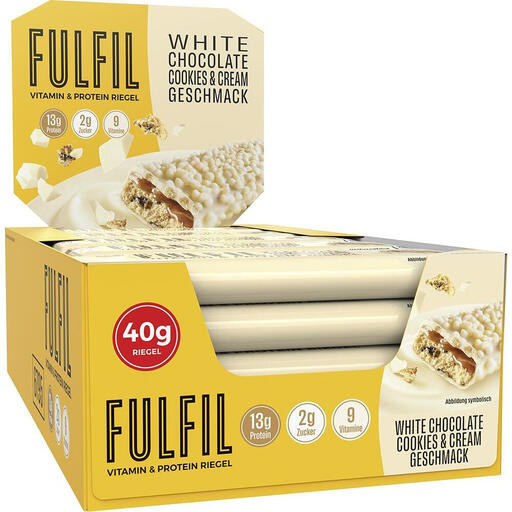 No image available
For travellers wanting to compare the nutritional information for an individual 40-g bar with other portion sizes.
Contains milk and lactose. According to the product information, it may contain traces of gluten, soya, tree nuts and peanuts; also check the polyol warning on the pack.
No. Vegan doesn’t mean allergen-free: KoRo’s Vegan Peanut, for example, contains a peanut filling and soya protein. If you have allergies, check the ingredients and allergen information for the variety you choose.
Look for highlighted allergens in the ingredients list and check for any precautionary allergen information. According to the European Commission, the 14 allergens regulated in the EU must be clearly indicated when used as ingredients; a precautionary statement, by contrast, refers to the possibility of unintended presence.
When shortlisting products, an explicit gluten-free label is more informative than the absence of wheat from a short product description. The EU regulates claims about the absence of gluten, but you’ll still need to check separately for any other ingredients and allergens that matter to you.
If you have an allergy, you should also check the information on the pack you actually receive before eating the product. Check the ingredients and allergen information for the specific variety rather than relying on a shop filter alone.