Who this choice matters to
When it comes to protein bars for a TV night, the same claim can mean different things to different people. What matters is the ingredient or feature that’s important to you.
People who need to avoid a specific allergen
If you need to avoid a particular allergen, check the ingredients and allergen information for the specific variety. For example, a vegan label alone won’t tell you whether it contains soya, peanuts or cereals containing gluten.
People looking for a vegan or lactose-free snack
You’re looking for a suitably labelled bar to enjoy while watching TV, and you also check whether its other ingredients and any potential traces meet your personal requirements.
People considering protein and portion size
You want a portioned snack and would like to know how much protein is in one bar. If you’re choosing it mainly for the taste, the protein claim needn’t be the deciding factor.
What to look for when buying
First, decide whether you need to avoid a specific allergen or are looking for a different dietary claim. Then compare the ingredients and portion information for the variety you’re actually planning to buy.
| What to consider |
What to check when buying |
Who it matters to |
| Allergens and traces |
Read the ingredients and allergen information for the specific variety, and check any precautionary trace warning against the ingredients you need to avoid. |
If I need to avoid a specific allergen, I don’t want to rely on a general free-from claim. For around 50% of shoppers, checking for a specific allergen comes first. |
| Dietary claims and sweeteners |
Check for the claim you’re looking for, such as vegan or lactose-free, and look through the ingredients for sweeteners. |
I’m looking for a bar without animal-derived ingredients or want to avoid certain sweetening ingredients; you can’t tell both from the same label. Around 30% of shoppers consider this their top priority. |
| Protein and portion size |
Compare the pack size and protein information using the same measure: per bar or per 100 g. |
I want to know what’s in one portion of my occasional TV snack. Around 20% of shoppers put this comparison first. |
These three considerations aren’t mutually exclusive in everyday life. Even if you’re mainly looking for a vegan claim or a particular portion size, an allergen that matters to you remains a separate factor to check.
Brands to help you choose
These examples show which claims may matter for individual product ranges. What’s true of one variety doesn’t necessarily apply to every bar from the same brand.
Barebells
As well as other protein bars, Barebells offers a vegan range. The brand says it contains 15 g of plant-based protein per bar and promotes it as having ‘no added sugar’. For a specific variety, the information on its pack is what counts.
- A good place to start if you’re specifically looking for a protein bar labelled vegan.
- Plant-based protein sources don’t answer questions about allergens. Check the ingredients and trace information for the variety you choose.
PowerBar
PowerBar offers a range of protein bars. dm-drogerie markt labels the 40 g Natural Protein Salty Peanut Crunch example as vegan and lactose-free, and states that it contains 30% protein.
- This specific example is labelled both vegan and lactose-free.
- It contains peanuts and soya. Potential traces of milk, cereals containing gluten and nuts are also listed.
KoRo
The range includes vegan protein bars. The Brownie example described by dm-drogerie markt is a 55 g bar labelled vegan.
- Worth considering if you’re specifically looking for a vegan-labelled chocolate protein bar.
- The example mentioned lists soya, maltitol and sucralose; check for potential traces of other allergens too.
Sportness
Sportness is dm-drogerie markt’s own brand, with protein bars in a range of flavours and portion sizes.
- You can compare varieties by their individual ingredients and nutritional information.
- If you’re looking for vegan, lactose-free or allergen-related options, check the label on the individual bar, not just the brand name.
Protein bars at Joybuy
These protein bars are portioned snack options for a TV night. Their product names refer to different features, including vegan recipes, added sugar and protein. If you need to avoid specific ingredients, always check the pack for the relevant variety before choosing.
 No image available
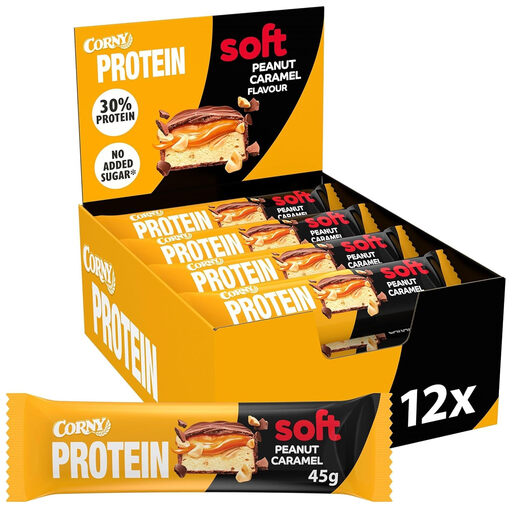
Corny No Added Sugar Protein Bars Soft Peanut-Caramel, 12 × 45 g
An option if you’re looking for individually portioned protein bars for a TV night and the added sugar claim matters to you.
The product name states that it contains 30% protein and comes in a pack of 12 bars at 45 g each. If you have allergies, check the pack for milk, soya, peanuts and barley, as well as any potential traces. Also check the listed sugar alcohol, maltitol.
View at Joybuy
 No image available
Barebells Vegan Protein Bar Peanut Caramel, 12 × 55 g
For anyone looking for a protein bar labelled vegan and individually portioned.
The product name states that the pack contains 12 bars at 55 g each. If you have allergies, check the pack for wheat, soya and peanuts, as well as the specific trace warning. Check the protein content on the pack too before using it as a deciding factor.
View at Joybuy
 No image available
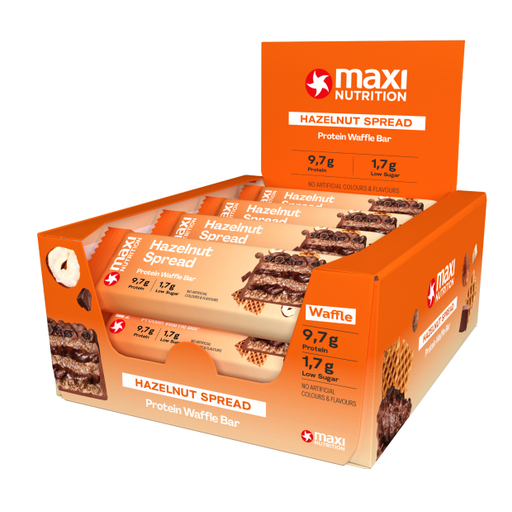
Maxi Nutrition Muesli Nut Butter Protein Wafer Bars, 12 × 39 g
An individually portioned wafer bar option if the format of a single snack is important to you.
The product name states that it contains 25% protein, comes in a pack of 12 bars at 39 g each and has ‘No Added Sugar’. If you’re choosing based on allergens, check the pack for wheat, milk, soya and hazelnuts, as well as potential traces of other nuts. Also check the ingredients for maltitol.
View at Joybuy
 No image available
Corny Crunchy Cookie Flavour Protein Bar, 12 × 45 g
An option if you’re looking for a portioned protein bar with a cookie flavour to enjoy while watching TV.
The product name states that it contains 30% protein, comes in a pack of 12 bars at 45 g each and has ‘No Added Sugar’. If you have an allergy, check the pack directly before choosing the bar: the available product information lists some allergens as both present and potentially present. Also check the ingredients for maltitol and sucralose.
View at Joybuy
 No image available
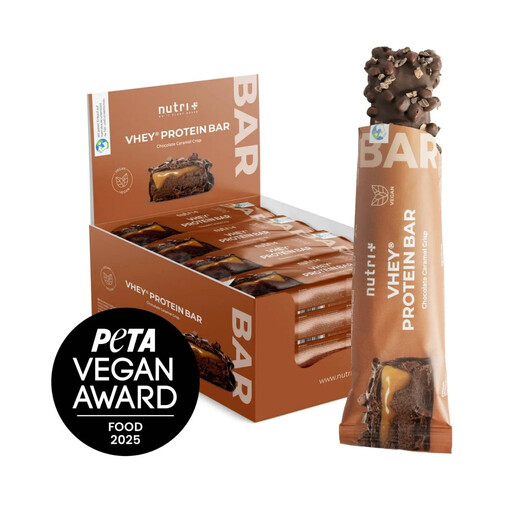
Nutri+ Whey Protein Bar Chocolate Caramel Crisp, 12 × 50 g
An individually portioned bar for anyone choosing mainly by snack format and flavour.
The product name states that the pack contains 12 bars at 50 g each. If you need to avoid animal-derived ingredients or specific allergens, check the pack to see if it’s suitable: the term ‘Whey’ and the description of the recipe as plant-based don’t clearly match. Also check the ingredients for maltitol and sucralose.
View at Joybuy
Frequently asked questions
Is a vegan protein bar automatically allergen-free?
No. A vegan label won’t tell you whether a bar contains soya, peanuts or cereals containing gluten, for example. The vegan PowerBar Natural Protein Salty Peanut Crunch listed by dm-drogerie markt contains peanuts and soya. If you need to avoid a specific ingredient, always check the pack for the variety you’ve chosen.
Does a bar labelled ‘no added sugar’ contain no sweeteners?
No. A claim about added sugar doesn’t rule out sweeteners. Read the ingredients if you want to avoid them; for example, the KoRo Brownie Protein Bar described by dm-drogerie markt lists maltitol and sucralose.
Where can I check the allergens in a packaged protein bar?
Check the ingredients and allergen information on the pack for the specific variety, and look for any precautionary trace warning. Lebensmittelverband Deutschland explains how the 14 main allergens are labelled in the ingredients list; terms such as ‘vegan’ or ‘lactose-free’ are no substitute for checking.
Can a protein bar replace dinner in front of the TV?
A protein bar isn’t a like-for-like meal replacement simply because of its protein content. The Verbraucherzentrale says additional protein products aren’t generally essential for meeting protein needs in Germany. If you’re looking for a snack, judge the individual bar by its portion size, ingredients and nutritional information, rather than its protein claims alone.


