If your university lunch has already covered your midday meal, a protein bar can be a handy snack for later. But you don’t need an extra bar simply because you exercise or because the wrapper says “High Protein”. Compare the protein per bar with the rest of your diet, and check the portion size, nutritional information and ingredients if you’ll be going a while between meals. If you have allergies or specific dietary requirements, always check the exact product packaging.
Who might find a bar useful?
Students fitting training into a long day at university
You might want a portable snack after exercising or between lectures and the journey home. The amount of protein per bar helps you work out how it fits into the rest of your diet. The German Nutrition Society (DGE) notes that recreational exercise alone does not automatically mean you need more protein.
Students with a long wait between lunch and dinner
If there are still several hours until your next meal, the bar’s portion size, energy content and ingredients matter too, not just its protein content.
Students with specific ingredient requirements
If you have allergies, eat a vegan diet or prefer to avoid sweeteners, check the ingredients and labelling for the exact variety. Other varieties from the same brand may have a different recipe.
What should you look for when buying?
First, think about whether you need a snack at all after your university lunch. Then compare the information per bar and check the ingredients that matter to you.
| What to consider | What to check | Who it matters to |
|---|
| Protein per serving |
Protein in g per bar and the bar’s weight; consider the serving alongside your university meal. |
After training, I want to know how much protein my snack actually contains, rather than comparing a percentage on the wrapper. For around 42% of consumers, protein per serving comes first. |
| A snack for a longer gap between meals |
Portion size, energy and fibre per bar, as well as the ingredients list. |
There’s a long wait until dinner, and I’m looking for more than a little extra alongside lunch. Around 33% of consumers prioritise this need. |
| Ingredients and how well you tolerate them |
Allergen labelling, ingredients list and, where relevant, vegan labelling for the specific variety. |
Before packing a bar, I need to know whether its ingredients suit my requirements. This check comes first for around 25% of consumers. |
Common comparison pitfalls
-
Assuming “High Protein” means you personally need more protein
The DGE recommends 0.8 g of protein per kg of body weight per day for adults aged 19 to under 65. According to the DGE, recreational athletes do not need to increase their intake.
Include a bar as part of your overall daily diet and consider which protein-rich ingredients are already in your university meal.
-
Comparing only the protein percentage on the front
Bars of different sizes can contain different amounts of protein per bar, even if their percentage figures look similar.
Compare the bar’s weight and the protein amount per serving. If you’re planning the snack for a longer gap between meals, check the other nutritional information too.
-
Assuming low sugar means everyone will tolerate it well
Recipes may contain sweeteners or sugar substitutes. The consumer advice centre notes that large amounts of sugar substitutes can have a laxative effect.
Check the ingredients list and allergen labelling for every variety, especially if you may react to certain ingredients.
Brands to consider
Sportness
A dm own brand with protein bars in a range of sizes and recipes.
- The varieties have different protein proportions, making it easier to compare them bar by bar.
- Check the ingredients, allergens and protein content for the variety you choose.
Barebells
A protein bar brand stocked by dm, with several flavours in 45-g portions.
- Comparing the information per bar is straightforward when the listed portions are the same size.
- Flavour and portion size alone don’t tell you what’s in a particular variety.
KoRo
The dm range includes KoRo protein bar varieties specifically labelled as vegan.
- Some listed varieties are clearly labelled as vegan.
- This doesn’t automatically apply to other varieties, and you should still check the allergens.
ESN
A brand with Designer Bars stocked by dm. ESN describes its GOAT Bar as a bar containing protein, oats, fruit and nuts.
- The bar types described give you options based on the portion size and ingredients you’re looking for.
- The manufacturer’s description of the GOAT Bar doesn’t apply to other ESN bars. Check the nutritional information and allergens for the specific variety.
Protein bars at Joybuy
These bars could make handy portioned snacks to have alongside your university lunch. Compare the information per bar and pay particular attention to the ingredient details if you’re planning to have one around training time or in the afternoon.
 No image available
ESN Protein Designer Bar Hazelnut Nougat, 12 × 45 g
An individually portioned option to take with you if you’d like a protein snack after your university meal.
Each 45-g bar contains 14 g of protein and 12 g of polyols. The ingredients list includes milk, soya and hazelnuts; a warning notes that excessive consumption may have a laxative effect.
View at Joybuy
 No image available
Frankonia Sugar Free Nutrition Bar Chocolate Brownie, 50 g
This snack bar is an option if you want to compare the nutritional information for a single 50-g portion.
Each bar contains 10 g of protein, 15.5 g of fibre and 149 kcal. It contains milk and soya, as well as maltitol; a warning notes that excessive consumption may have a laxative effect.
View at Joybuy
 No image available
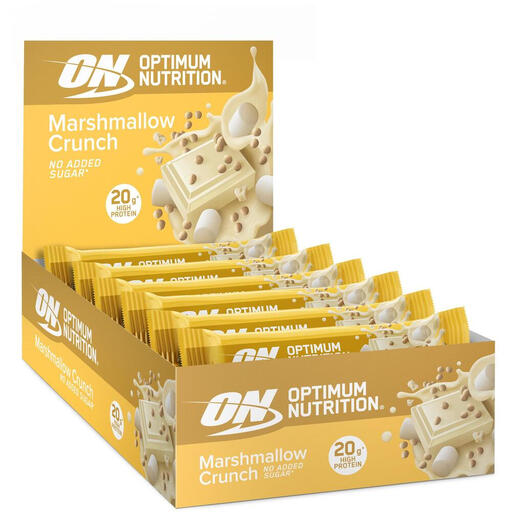
Optimum Nutrition Protein Bar Marshmallow Crunch, 10 × 65 g
At 65 g each, this bar may suit you if you’re planning a larger snack portion than a 45-g bar.
Each bar contains 20 g of protein. Check the packaging for the other nutritional information. Milk, soya, wheat, maltitol and sucralose are listed as ingredients or allergens.
View at Joybuy
 No image available
Barebells Vegan Protein Bar Peanut Caramel, 12 × 55 g
This variety is labelled vegan and comes as individually portioned 55-g bars for a snack after your university meal.
The nutritional information lists 14.3 g of protein per bar, while the description says 15 g; check the value on the packaging. The ingredients list includes peanuts, wheat, soya, maltitol and sucralose. If you have allergies, check the precautionary allergen information too.
View at Joybuy
 No image available
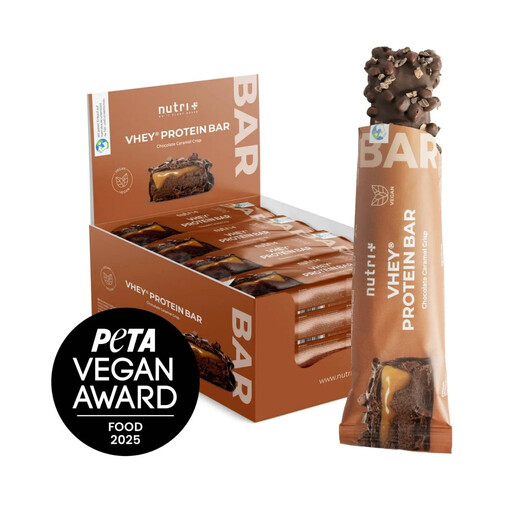
Nutri+ Whey Protein Bar Chocolate Caramel Crisp, 12 × 50 g
The 50-g portion is easy to take with you as a snack, but check the specific packaging before choosing it to suit your diet.
The description lists 13 g of protein per bar, as well as peanuts, maltitol and sucralose. The word “Whey” in the title conflicts with the description of plant proteins; check the packaging to confirm the protein sources and allergens.
View at Joybuy
Frequently asked questions
Can a protein bar replace my university lunch?
A protein bar is better thought of as an extra snack than a replacement for a full lunch. Consider whether you really need something to tide you over after your university meal and how the bar fits into the rest of your diet. The consumer advice centre notes that you can get all the protein you need from everyday foods.
What should I look out for if I have an allergy?
Check the allergen labelling and ingredients on the specific packaging, even if you already know another variety from the same brand. Protein bars may contain ingredients such as milk, soya, peanuts or other nuts.
Does a low-sugar bar automatically contain no sweeteners?
No, the sugar information alone doesn’t answer that question. Check the ingredients list for sweeteners and sugar substitutes. According to the consumer advice centre, large amounts of sugar substitutes can have a laxative effect.


