Students planning a snack around their workout
If you’re planning to have a bar before or after training, compare the grams of protein per bar. A high percentage on its own doesn’t tell you how much protein is in a portion.


For a protein bar between the university canteen, lectures and sport, the amount of protein in each bar matters more than a percentage on the front of the pack. The examples considered here range from 9.5 g to a calculated 22.5 g per portion, according to REWE and EDEKA. Whether a larger portion makes sense depends on what else you eat and your training; the German Nutrition Society notes that many adults who do recreational sport do not need increased protein intake. A bar is a snack, not a replacement for a proper lunch. Also check the ingredients and allergen information on the specific pack.
If you’re planning to have a bar before or after training, compare the grams of protein per bar. A high percentage on its own doesn’t tell you how much protein is in a portion.
A portioned bar can fit into a short break. The key is whether you’re looking for a snack between meals or actually need lunch.
If milk, soya, peanuts, other nuts, possible traces of allergens or sugar alcohols are a concern for you, read the labelling on the relevant pack before buying.
First decide whether the bar is meant to complement a snack or provide a particular amount of protein. Then check the portion size, ingredients and information on the current pack.
| What to consider | What to check | Who it matters most to |
|---|---|---|
| Protein per portion | Compare the grams of protein per bar and the bar’s actual weight, not just the figures per 100 g. | If I’m eating the bar specifically around my workout, I want to know how much protein that portion contains. For around 33% of consumers, this would be the main reason to buy. |
| Snack or lunch | Check the portion size and plan the bar as a snack between meals, not as a complete canteen meal. | Between two commitments, I need a portioned snack for a short break, while lunch remains a meal in its own right. For around 25% of consumers, this practicality would come first. |
| Allergens and sugar alcohols | Read the ingredients list, allergen labelling and, where applicable, information about polyols. | If I need to avoid certain ingredients or watch out for sugar alcohols, the specific ingredients determine my choice. This check would take priority for around 25% of consumers. |
| Protein source and diet | Check which ingredients the protein comes from and whether the current pack labelling is suitable for your diet. | When choosing, my first priority is whether the protein sources suit my diet. For around 17% of consumers, this would be the most important point. |
A figure on the front of the pack doesn’t automatically refer to the whole portion. Lebensmittelklarheit gives the example of an ALDI bar it tested labelled “50% protein”, which actually contained 23 g of protein per 45 g bar.
Check the protein content per portion in the nutrition information and make sure you know the bar’s weight.
Some of the bars considered contain sugar alcohols such as maltitol or sorbitol. Lebensmittelklarheit notes that large quantities can have a laxative effect.
Check the ingredients, portion information and warnings on the pack – especially if you’re planning to eat the bar before a long day at uni.
A bar’s protein content alone doesn’t tell you whether it can replace a complete meal. EDEKA advises against having protein snacks instead of a meal.
It’s better to have the bar during a break between meals and plan your lunch separately.
Nutrition information and ingredients can vary between versions or suppliers of the products considered. EDEKA also points out that product information may differ from the packaging.
When you’re shopping, check the specific variety, portion size, nutrition information and allergen labelling on the pack.
EDEKA sells MAX BALANCE protein bars with different declared protein contents, including Stracciatella and White Chocolate-Vanilla.
The High-Protein and Lower-Carb bars considered at ALDI SÜD differ in their nutrition information and ingredients.
REWE PWR includes protein bars; the Brownie bar considered here weighs 45 g.
CORNY’s Nuts & Protein Chocolate is a protein bar with a 35 g portion.
These bars could work as portioned snacks between the university canteen, lectures and sport. Check each pack carefully, especially if the amount or source of protein, or particular ingredients, will determine your choice.
 Image unavailable
These individually portioned bars are handy for a planned snack between uni and sport. The pack contains 12 bars, each weighing 55 g.
Check the information about milk, soya and peanuts, as well as possible traces of other allergens. The product contains sweeteners and carries a warning that excessive consumption may have a laxative effect.
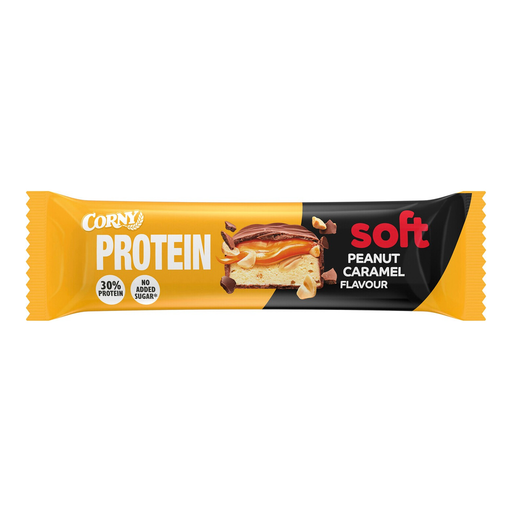 Image unavailable
This 45 g bar could work as an individual snack between lectures and the canteen. If portion size matters to you, check the protein information on the current pack.
Check for milk, soya and peanuts, as well as possible traces of nuts and egg. The product information lists maltitol and sorbitol and warns of a possible laxative effect if consumed in excess.
 Image unavailable
This pack of 12 bars, each weighing 55 g, is a convenient option for portioned snacks on the go. If the exact protein content matters to you, check the nutrition information on the pack: the product information lists different values.
Check for peanuts, wheat and soya, as well as possible traces of other allergens. Also check the information about sweeteners.
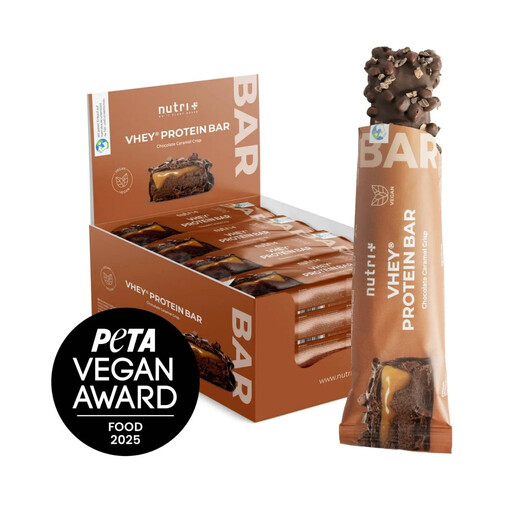 Image unavailable
The pack contains 12 bars, each weighing 50 g, for convenient portioned snacks. If the protein source matters for your diet, check the latest ingredients list: alongside “Whey” in the product name, the information also mentions pea and hemp protein.
The product contains maltitol and sucralose. Follow the serving advice on the pack.
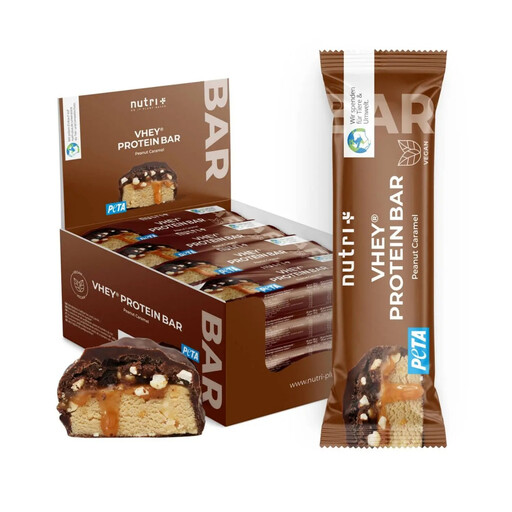 Image unavailable
This pack of 12 bars, each weighing 50 g, is a convenient option for a snack on the go. If you’re choosing based on the protein source, compare the latest ingredients list with the product name: pea protein is listed alongside “Whey”.
Check the pack for information about peanuts and sweeteners.
No, the amount depends on the specific portion. REWE lists 9.5 g per 35 g portion for CORNY Nuts & Protein Chocolate and 13.5 g per 45 g bar for REWE PWR Brownie. Based on EDEKA’s figures, MAX BALANCE Stracciatella works out to 22.5 g per 45 g bar.
No. The German Nutrition Society says that many adults who do recreational sport do not need increased protein intake. Whether a bar is a suitable snack between meals on your uni day can’t be decided on the basis of your workout alone; take your other meals into account too.
A protein bar isn’t intended as a regular replacement for a proper lunch. EDEKA advises against having protein snacks instead of a meal; however, if there’s a long gap between the canteen and your workout, a bar could work as a snack between meals.
The warning may be related to sugar alcohols such as maltitol or sorbitol. Lebensmittelklarheit notes that large quantities can have a laxative effect, so check the ingredients and serving advice on the pack of the specific bar.
Check the allergen labelling on each individual bar rather than assuming it’s the same across a whole brand. The examples considered here include milk, soya, peanuts and almonds; depending on the product, traces of other allergens may also be listed.