Budget-conscious workout snackers
If you regularly buy bars in bulk, you’ll want to compare the cost by pack weight, price per kilogram and number of bars. When ordering boxes online, delivery costs should also factor into your decision.


When stocking up on bars for after your workouts, it’s worth comparing the protein per bar, the cost per portion and per kilogram, and the ingredients of the specific flavour. A larger pack isn’t automatically better value. If you want to try the taste or see how well you tolerate a bar first, start with single bars or a small multipack. Whether the amount of protein suits your diet depends on more than the information on the packaging alone.
If you regularly buy bars in bulk, you’ll want to compare the cost by pack weight, price per kilogram and number of bars. When ordering boxes online, delivery costs should also factor into your decision.
If you plan to have a bar after a workout, check the protein in the actual portion rather than just the figures per 100 g. Your training volume and the rest of your diet still matter.
If you need or want to avoid allergens or particular ingredients, check the label for the specific flavour. Recipes can vary from bar to bar in assorted boxes.
When stocking up for after your workouts, first consider what one bar contributes to your planned snack portion. Then you can decide which pack size best suits your consumption, budget and ingredient requirements.
A good choice if: You need several bars but don’t want to buy a large box straight away.
Things to consider: The pack described by ALDI SÜD contains three bars; ingredients and consumption advice apply to the specific flavour.
A good choice if: You want a larger supply with a range of flavours.
Things to consider: Protein content and ingredients vary by flavour in Barebells’ favourite bar box; delivery charges may apply to online orders.
A good choice if: You want to try a flavour first or only buy a bar occasionally.
Things to consider: Buying individually means you don’t have to commit to a large supply, but it won’t necessarily work out cheaper per portion.
| Criteria | What to check | Who it matters to |
|---|---|---|
| Protein per portion | Check the protein per bar and the bar’s weight; don’t confuse figures per 100 g with the amount in one portion. | If you plan to have a bar after a workout, you’ll want to assess its protein content in the context of the rest of your diet. Around 42% of consumers prioritise protein per portion. |
| Cost and stock | Compare the number of bars and pack weight; factor in the price per kilogram, cost per bar and, where applicable, delivery charges. | For regular snacks, your supply should match the portions you actually need. A large box shouldn’t win you over on size alone. For around 33% of consumers, comparing costs comes first. |
| Ingredients and tolerance | Read the ingredients list, highlighted allergens, may-contain statements and any information about sweeteners for the specific flavour. | If you need or want to avoid particular ingredients, it’s especially important to know what each bar contains. This check is a priority for around 25% of consumers. |
A pack with more bars doesn’t necessarily work out cheaper per kilogram or per portion. Differences in bar weight can also affect the comparison.
Compare the pack weight and number of bars, and factor in any delivery charges when ordering online.
Barebells’ favourite bar box is described as having no added sugar, but the ingredients list still includes sweeteners. The Verbraucherzentrale (German consumer advice centre) notes that large amounts of polyols can have a laxative effect.
Read the ingredients list and any product-specific warnings before stocking up on several bars of the same flavour.
The figure per 100 g doesn’t automatically tell you how much protein is in a snack portion. If you’re planning your protein intake, the actual bar weight matters too.
Check the nutrition information per 100 g and, if available, per portion, alongside the weight of one bar.
Recipes and may-contain statements can vary between flavours. If you have allergies or avoid animal-derived ingredients, it’s important to check each individual flavour.
Before eating a bar, read the ingredients and allergen information on the packaging of each relevant bar you receive.
The range sold at ALDI SÜD includes a nougat multipack with 3 × 45 g protein bars.
Barebells offers, among other products, a favourite bar box containing twelve protein bars in assorted flavours.
REWE introduced its own-brand range in September 2026 with six protein bars.
dm’s own brand sells protein bars in a range of flavours and sizes.
EDEKA sells protein bars in a range of varieties under the MAX BALANCE brand.
These packs may suit people who want to stock up on bars for regular post-workout snacks or for when they’re out and about. You can only tell whether a pack offers good value by comparing its price per kilogram and cost per bar.
 Image unavailable
Twelve individually portioned bars are a good option if you regularly plan to have a snack. Compare the protein per 45-g bar, and if you have any intolerances, read the ingredients and warnings on the pack.
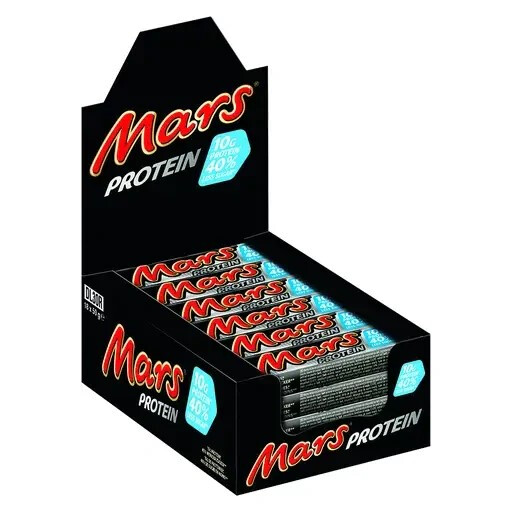 Image unavailable
The box contains 18 bars, making it suitable if you’re planning to stock up for regular snacks. When comparing it with smaller packs, check the cost per 50-g bar and the ingredients of the specific variety.
 Image unavailable
This pack contains twelve bars in the same flavour, ready for regular snacks. Check the nutrition information per 55-g bar, as well as the ingredients and warnings for this flavour. Information about a Barebells assorted box won’t necessarily apply to this one.
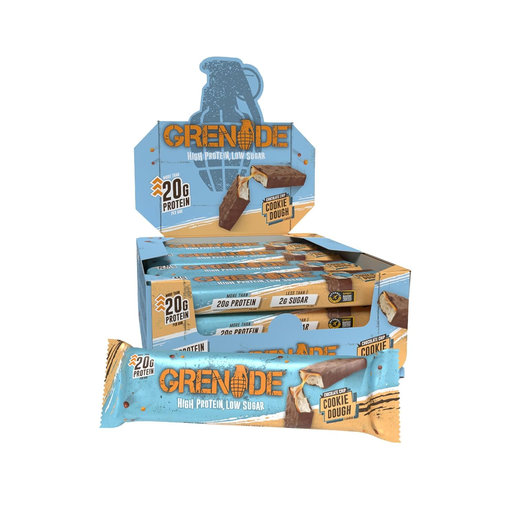 Image unavailable
Twelve 60-g bars give you a supply of individually portioned snacks. Bear in mind the larger bar size when comparing protein per portion and cost per bar; ingredients and consumption advice are also worth checking.
 Image unavailable
This 12-pack is an option for stocking up on snacks to take with you, but that doesn’t mean it offers any particular benefit after a workout. Check the protein per 50-g bar on the pack, as serving-size information may vary between product listings.
No, having a protein bar after a workout isn’t essential. The German Nutrition Society says healthy adults who do no more than five hours of sport a week don’t have an increased need for protein. For people who train more, requirements depend on factors including training level and goals.
Compare the price per kilogram and cost per bar on the same price basis, and factor in any delivery charges for online boxes. The number of bars and portion weight show how much you’re actually buying; for planning your diet, check the protein per bar.
No, the two statements don’t mean the same thing. According to Barebells, its favourite bar box contains no added sugar, but the ingredients list includes sweeteners. Always check the recipe for the specific flavour.
The key information is the ingredients list, allergen details and may-contain statements on the specific pack. Depending on the bar, ingredients such as milk, soya, nuts or collagen may be relevant. With an assorted box, check each flavour individually.