What should you look for when buying?
First, decide whether you mainly want a small portion, a particular amount of protein or a change of flavour to go with your coffee. Then compare the information for the bar you’re actually buying and, if you’re choosing a box, check which flavours it contains.
| What to consider |
What to check |
Who is it important to? |
| Portion size |
Compare the weight of each bar and the number of bars in the pack. |
For a quick coffee stop, I want to choose a portion that suits my appetite. Around 31% of consumers are likely to see portion size as their top buying consideration. |
| Protein and sugar |
Compare protein and sugar per bar, rather than looking only at the figures per 100 g. |
If protein content is my main priority, I need figures for the portion I’ll actually eat. For around 31% of consumers, this comparison is likely to come first. |
| Flavour variety |
Check the flavour list and the contents of the specific box. |
For regular journeys, I want to switch between flavours rather than assume a box is mixed because the product range includes several options. For around 23% of consumers, flavour choice is likely to be the main consideration. |
| Ingredients and tolerability |
Read the highlighted allergens, protein sources, sweeteners and warnings for each flavour. |
If I need to avoid certain ingredients, the labelling for the flavour I choose will determine whether I buy it. This check is likely to be the top priority for around 15% of consumers. |
Protein bars at Joybuy
This selection includes boxes of individually portioned protein bars for snacks on the go. Sizes range from 35-g bars to 60-g portions. If you want a mix of flavours, check the contents of each pack separately.
 No image available
ESN Protein Designer Bar Hazelnut Nougat, 12 × 45 g
For your commute, if you want to take a 45-g bar to have with your coffee. The box is labelled Hazelnut Nougat; if you want a mix of flavours, check which other variants you can choose individually.
View at Joybuy
 No image available
BE-KIND Protein Caramel Nut, 12 × 50 g
If you’re looking for a box of 50-g portions to take with you, you can compare this size with smaller bars. If you have specific ingredient requirements, check the labelling for the flavour; for variety, check the contents of the box.
View at Joybuy
 No image available
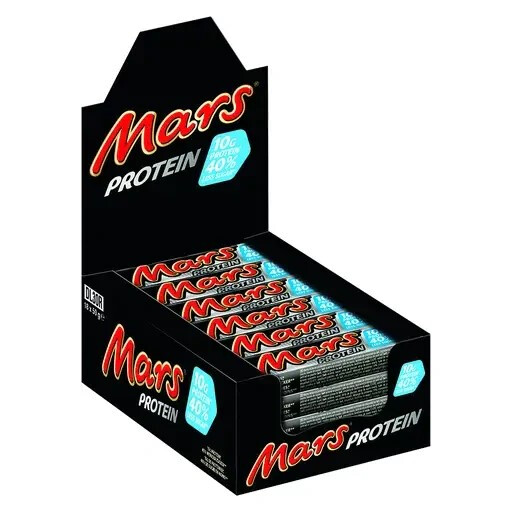
Mars Protein Bars, 18 × 50 g
This box contains 18 individually portioned bars, each weighing 50 g, so you can stock up. If sugar content is a key factor in your choice, compare the nutritional information per bar; check the ingredients and flavours included too.
View at Joybuy
 No image available
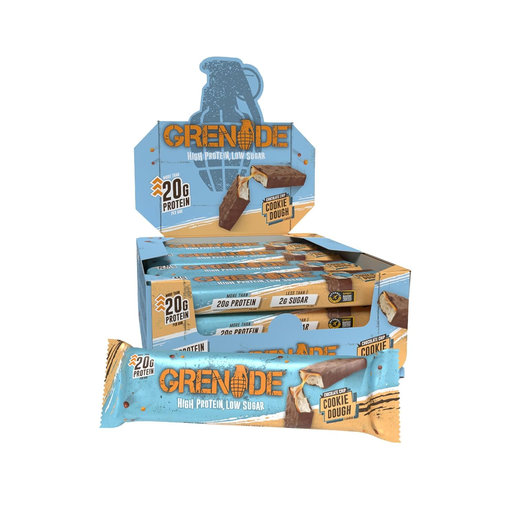
Grenade Carb Killa Choc Chip Cookie Dough, 12 × 60 g
A 60-g portion may be a better choice if you’re after a larger bar rather than a small snack with your coffee. Compare the nutritional values per bar and check the ingredients and information about sugar alcohols.
View at Joybuy
 No image available
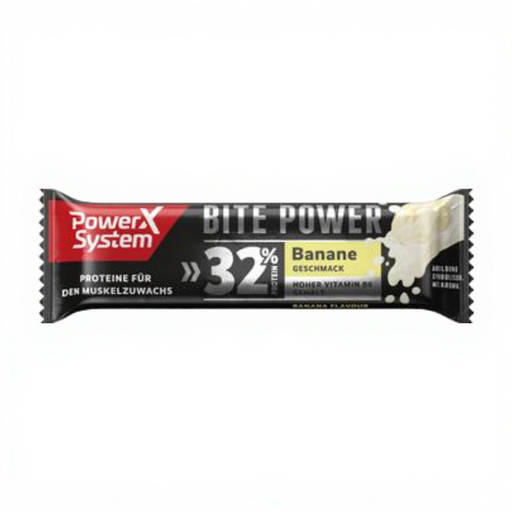
Power System 32% Protein Bite Power Banana, 35 g
This 35-g bar is an option if you’re looking for a smaller portion with a banana flavour. To compare it with other bars, look at the nutritional information for the portion you’ll actually eat, as well as the ingredients.
View at Joybuy
Frequently asked questions
How can I identify allergens in a packaged protein bar?
For pre-packed foods in the EU, allergens must be highlighted in the ingredients list, as Your Europe explains. For each flavour, also check for precautionary allergen statements if they’re relevant to your choice.
How can I identify sweeteners in a protein bar?
Check the ingredients list and the information on the pack. The Verbraucherzentrale distinguishes between sweeteners and sugar substitutes, noting that the latter can have a laxative effect when consumed in large amounts.
Is “high in protein” a good enough reason to have a bar with your daily train coffee?
No. The claim doesn’t replace a comparison of the portion size, nutritional information and ingredients. The Verbraucherzentrale notes that people in Germany generally get enough protein; whether you specifically want a protein-focused bar is a personal buying decision.
What information helps when comparing individual bars and boxes?
Check the net quantity and nutritional information, and don’t confuse figures for the whole pack with those per bar. Your Europe lists ingredients, highlighted allergens, best-before date, net quantity and nutrition declaration among the information required for pre-packed foods in the EU. If you want a mix of flavours, you’ll also need to check which flavours are actually in the box.


