What should you look for when buying?
First, consider whether you’re looking for a specific portion of protein or simply a snack for the match. Then compare the nutritional information and ingredients of varieties that suit your needs.
| Criteria |
What to check when buying |
Who is it important for? |
| Protein portion after your own workout |
Compare the protein in g and energy per bar, as well as the weight of each portion. |
After my own workout, I want to factor the protein portion into my daily diet, not just eat a bar with sporty packaging. For around 33% of consumers, this targeted protein requirement is the priority. |
| Sweet snack for the match |
Check the flavour, portion size and ingredients list. |
When watching football, I mainly want a convenient sweet snack; getting as much protein as possible is less important to me. Around 27% of consumers mainly value this snack appeal. |
| Sugar, energy and sweeteners |
Compare the nutritional information per bar and per 100 g; check the ingredients list for sweeteners. |
I want to see how the sugar and energy content relate to the portion, and which sweeteners it contains, before buying. This comparison is the main concern for around 27% of consumers. |
| Plant-based recipe and allergens |
Read the ingredients, highlighted allergens and any ‘may contain’ statements for the specific variety. |
A variety is only suitable for me if its recipe fits my diet or avoids ingredients I need to steer clear of. This suitability takes priority for around 13% of consumers. |
Protein bars for different snacking preferences
These Joybuy products include portioned protein bars for match night, as well as an option described as plant-based. Compare the pack size for each product and check the information for the specific variety if protein content or ingredients are important to your choice.
 No image available
Barebells Protein Bar Cookies & Cream, 12 × 55 g
A portioned option if you’re planning a bar for match night and want to check how the protein content of this variety fits into your daily diet.
When choosing, check the information about milk and soya, as well as sweeteners and excessive consumption.
View at Joybuy
 No image available
BE-KIND Protein Caramel Nut, 12 × 50 g
If you fancy a nutty caramel snack during the match, compare the 50-g portion with other bars on the same basis.
Check the labelling for peanuts, milk, soya and other nuts. If salt content matters for your comparison, check the figure on the current pack.
View at Joybuy
 No image available
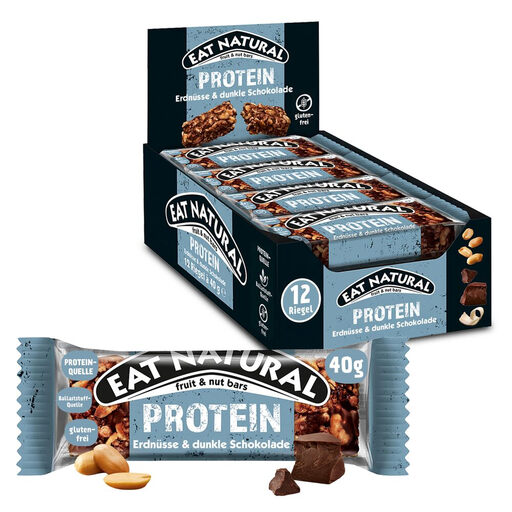
Eat Natural Protein Bars Peanuts & Dark Chocolate, 12 × 40 g
The peanut and dark chocolate variety suits anyone looking for a nutty, chocolatey snack in 40-g portions.
If you’re looking for a specific amount of protein per bar, check the portion figure on the pack. Also note the information about peanuts, soya and possible traces of other allergens.
View at Joybuy
 No image available
Barebells Vegan Protein Bar Peanut Caramel, 12 × 55 g
Described as vegan, this peanut caramel variety is an option if you’re looking for a plant-based recipe for match night.
Check the current pack for the protein content per bar: product information gives different figures. Also check the labelling for peanuts, wheat, soya and sweeteners.
View at Joybuy
 No image available
Power System 32% Protein Bite Power, banana, 35 g
The 35-g size could suit you if you’re planning a small snack around your own workout and match night.
Don’t work out the protein content per piece from the percentage in the name alone; check the portion information on the pack. The information about milk, soya, egg and animal collagen matters if you want to avoid these ingredients.
View at Joybuy
Frequently asked questions
Do I need a protein bar to watch football?
No, not just because you’re watching. If you’ve worked out and are looking for a portioned protein top-up, you can assess a bar in the context of your overall daily diet. The Verbraucherzentrale says extra protein is generally unnecessary for meeting everyday needs in Germany.
What does ‘High Protein’ mean on a bar?
The claim refers to the proportion of protein in the energy content: under EU Regulation (EC) No 1924/2006, at least 20% of the energy content must come from protein. On its own, it doesn’t tell you whether the portion size, sugar, sweeteners or ingredients meet your needs.
How do I compare bars labelled ‘no added sugar’?
Compare the nutritional information per bar and per 100 g, particularly energy, sugar, protein, saturated fat and salt. Also check the ingredients list for sweeteners: ‘no added sugar’ doesn’t automatically mean sugar-free or calorie-free.
Is ‘vegan’ enough if I need to avoid allergens?
No. Check the ingredients, highlighted allergens and possible ‘may contain’ statements for each individual variety. The European Commission notes that 14 specified allergens must be clearly labelled in the EU when used as ingredients; a vegan label doesn’t tell you whether there may be traces.


