People who plan snacks for when they’re out and about
If you’re planning to have a bar at work, on your commute or while travelling, the kcal per bar tells you more than a protein claim that doesn’t specify a portion.


When planning a snack on the go, the key thing to check with protein bars is the energy per bar you’ll actually eat – not the big protein claim on the front of the pack. The German Nutrition Society does not describe protein as a weight-loss method in its own right, so take your overall energy intake into account and check the ingredients, allergens and flavours included before buying a multipack.
If you’re planning to have a bar at work, on your commute or while travelling, the kcal per bar tells you more than a protein claim that doesn’t specify a portion.
If you’re after a chocolatey snack, check the ingredients and polyols in each variety as well as its protein and sugar content. Lebensmittelklarheit notes that consuming large quantities of sugar substitutes can have a laxative effect.
An individually wrapped bar is easy to take with you when you’re out or around a workout. It can be a handy snack option, but it isn’t an essential source of protein or a weight-loss product.
First, think about when you’d eat an individual bar. Then compare the information per bar and, before buying a multipack, check that you’re happy with every variety it contains.
| What to check | Buying checklist | Who it matters to |
|---|---|---|
| Energy per bar | Compare kcal per bar and the bar’s weight; figures per 100 g can help you compare bars of different sizes. | If I’m planning a snack while I’m out, I want to know how much energy I’ll get from a whole bar. Around 36% of consumers put this portion-based comparison first. |
| A portioned protein snack | Check the protein per bar and whether it’s intended to replace a planned snack, rather than choosing based on the front of the pack alone. | On a long day, I want something convenient to take with me without eating extra just because of the protein claims. This is the main concern for around 29% of consumers. |
| Ingredients and suitability | Check the ingredients, allergens and ‘may contain’ information for each variety, as well as details of sugar and polyols. | If I need to avoid certain ingredients or don’t tolerate sugar alcohols well, the specific recipe determines whether it’s right for me. This check comes first for around 21% of consumers. |
| Pack size and mix of varieties | Check the number of bars and the varieties included; if it’s a mixed pack, check each variety individually. | I don’t want to stock up on a large pack if some of the bars aren’t right for me. That’s why around 14% of consumers focus on what’s included in the pack. |
A market review by Lebensmittelklarheit and the North Rhine-Westphalia Consumer Advice Centre describes protein claims on bars as inconsistent and difficult to compare. A protein figure alone also tells you nothing about the energy in the portion you eat.
Start by comparing energy and protein per bar. If you’re buying a mixed pack, you should be able to check these figures for every variety.
A ‘no added sugar’ claim doesn’t tell you the total energy content. Lebensmittelklarheit also notes that consuming large quantities of sugar substitutes can have a laxative effect.
Read the nutritional information per bar, look out for polyols and check the information on the specific pack. If you’re unfamiliar with the recipe, it’s worth starting with a single portion to see how it suits you.
Allergens, ingredients and ‘may contain’ information can vary between varieties. For example, the information for a Peanut bar in the REWE PWR range won’t necessarily apply to other varieties in the same range.
Check the labelling for each variety in the pack. If you’re unsure about the ingredients or whether you’ll like them, start with a smaller selection.
If the mix of varieties isn’t right for you, some of the bars in your multipack may go uneaten.
ALDI SÜD’s protein bar range includes several formats. If you’re buying in bulk, the specific variety and the information on its pack are what matter.
REWE PWR is an own-label range with several protein bar varieties to compare as part of your regular food shop.
Barebells offers a range of protein bar varieties and multipacks for people who want to compare flavours and portion information.
foodspring stocks protein bars alongside other snack formats. When choosing a bar, check the information for the specific variety.
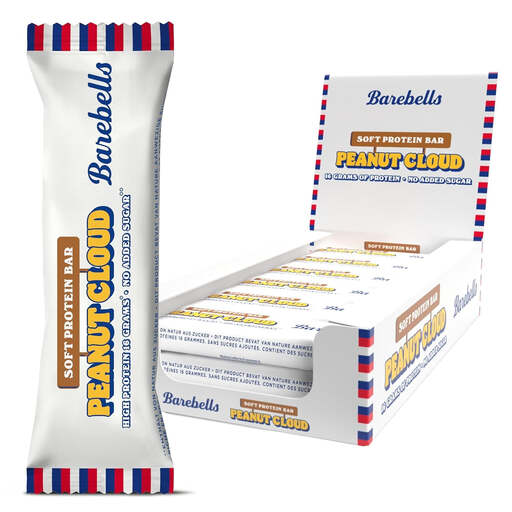
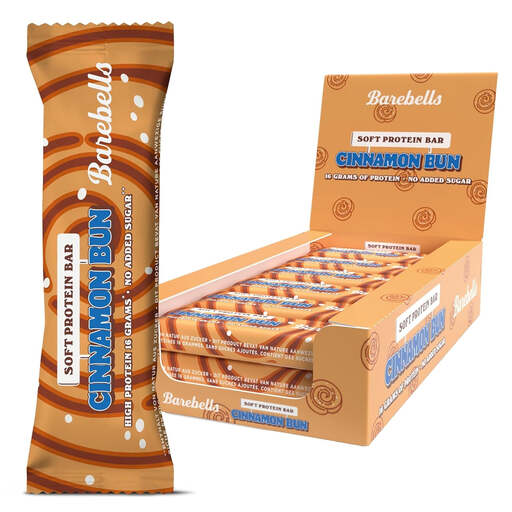
The Barebells products below are multipacks of individually portioned bars. When choosing a snack, compare the variety and the current information on the pack; this selection isn’t a comparison of all protein bars.
 No image available
A handy option if you want to take individual bars from a multipack for planned snacks on the go.
Pack details: 12 bars at 55 g each. Before buying, check the nutritional values per bar, along with the ingredients and allergen information for this variety.
 No image available
You can plan to have one bar from the pack as a snack when you’re out and about.
Pack details: 12 bars at 55 g each. Compare the energy and protein per bar, and check the information about sweeteners and allergens if needed.
 No image available
This variety may suit you if you want to take an individually portioned bar for a planned snack.
Pack details: 12 bars at 55 g each. For comparison, check the energy per bar, as well as the ingredients, sweeteners and allergen information.
 No image available
If you’re considering this Peanut Caramel variety as a snack on the go, check the current labelling before buying in bulk.
Pack details: 12 bars at 55 g each. In particular, check the protein claim against the pack and read the ingredients, allergen information and ‘may contain’ details.
 No image available
The individually portioned bars are easy to plan as a snack when you’re out and about.
Pack details: 12 bars at 55 g each. Check the protein claim on the current pack and take the ingredients and information about sweeteners and allergens into account.
No. According to the German Nutrition Society, a higher protein intake is unlikely to affect body weight when energy intake meets your needs. So consider a bar as part of your overall energy intake, not as a weight-loss measure in its own right.
Start with the energy and protein in the bar you’ll actually eat. Then compare the sugar, polyols, ingredients and allergen information for every variety in the pack; figures per 100 g can also help you compare bars of different sizes.
No. ‘No added sugar’ doesn’t tell you the total energy content. Check the kcal per bar and the nutritional information for the specific variety rather than assuming the claim on the front tells you how much energy is in a portion.
It refers to a possible effect if you consume too much. Lebensmittelklarheit explains that large quantities of sugar substitutes can have a laxative effect. So check the labelling and consider how well you tolerate them, especially if you’re planning to eat more than one bar.
No. Check the ingredients and ‘may contain’ information for the specific variety. For example, the REWE PWR Peanut bar described by REWE contains milk, soya and peanuts; you can’t assume the labelling is the same for other REWE PWR varieties.