People with a calorie budget for snacks
If you’re planning a sweet snack, you need to know the energy content of the portion you’ll actually eat. A prominent protein claim on the front of the pack doesn’t replace checking this.


If you’re planning to include a protein bar as a snack within your calorie budget, first compare the energy in the bar you’ll actually eat, then check the protein, sugar and ingredients on the same portion basis. A high protein content or a ‘no added sugar’ claim doesn’t automatically make a bar low in calories. For long-term weight management, the consumer advice centre also highlights the importance of overall energy balance and a diet that works in everyday life.
If you’re planning a sweet snack, you need to know the energy content of the portion you’ll actually eat. A prominent protein claim on the front of the pack doesn’t replace checking this.
If you’re considering a protein bar instead of another sweet snack, you can compare the protein and energy content per bar. According to the German Nutrition Society, higher protein intake alone isn’t a reliable indicator of weight loss.
If sweeteners, sugar substitutes or specific allergens affect your choice, check the labelling for the exact variety. You can’t tell the recipe or warnings from the brand name alone.
Start by comparing protein bars per portion eaten. Then check which nutritional values and ingredients matter most for the occasion.
| Criteria | What to check when buying | Who it matters to |
|---|---|---|
| Energy per portion | kcal per bar and the amount you’ll actually eat; don’t confuse values per 100 g with values per portion. | If I’m planning to have a bar as a snack, I want to know exactly how much energy that portion contains. For around 36% of consumers, comparing portions is the top priority. |
| Protein and energy | Compare the grams of protein and kcal for the same bar. | If I’m choosing a bar instead of another sweet snack, I want to see how much protein it contains without overlooking its energy content. Around 29% of consumers put this need first. |
| Sugar and polyols | Check the ‘of which sugars’ value, polyols and the ingredients list for the specific variety. | If a low sugar value matters to me, I also want to know which sugar substitutes the bar contains. This is the main question for around 21% of consumers. |
| Allergens and ingredients | Check the pack’s ingredients list, highlighted allergens and any precautionary ‘may contain’ statements. | If there’s an ingredient I need to avoid, the labelling for each individual variety determines my choice. This is the most important buying consideration for around 14% of consumers. |
The German Nutrition Society considers the effects of higher protein intake on weight during an energy-restricted diet to be unclear. A bar’s protein content therefore doesn’t prove that it will help you lose weight.
Assess the bar as a single snack portion and take its energy content into account as part of your overall diet.
The claim doesn’t tell you how much energy a portion contains. More Nutrition lists 190 kcal per 50 g bar for one variety of the More Protein Bar with no added sugar.
Compare the kcal per bar, then check the other nutritional values, such as sugar and fat.
According to the consumer advice centre, sugar substitutes can have a laxative effect when consumed in large quantities. The Multipower Protein Layer Bar carries a corresponding warning about excessive consumption.
Check the ingredients list, the information on polyols and the warnings on the specific pack.
Allergen information applies to the individual food, not automatically to every bar from a particular brand. For example, one variety of the Multipower Protein Layer Bar lists milk, soya and peanuts.
For each variety, check the latest ingredients and allergen labelling, along with any precautionary ‘may contain’ statements.
The More Protein Bar offers a clear portion comparison: More Nutrition lists 190 kcal and 17 g of protein per 50 g bar for one variety.
For one 50 g variety of the Protein Layer Bar, nu3 lists 189.65 kcal and 15 g of protein per bar.
Barebells offers a range of protein bars, with the brand overview listing between 15 and 20 g of protein per bar, depending on the variety.
For its High-Protein Bar Mix, Layenberger lists between 15.8 and 16.1 g of protein per bar, depending on the variety.
ESN offers the Designer Bar as a protein bar and lists up to 15 g of protein per bar across the range.
You can consider these bars and protein snacks as individual snack portions based on their pack sizes. To see whether a particular variety suits your calorie budget and ingredient requirements, check its current nutritional information and ingredients.
 No image available
If you’re planning a single snack portion, you can check the nutritional information for the 50 g bar.
Flavour: Chocolate Brownie. The ‘Sugar Free’ name doesn’t replace checking the energy content, ingredients and labelling.
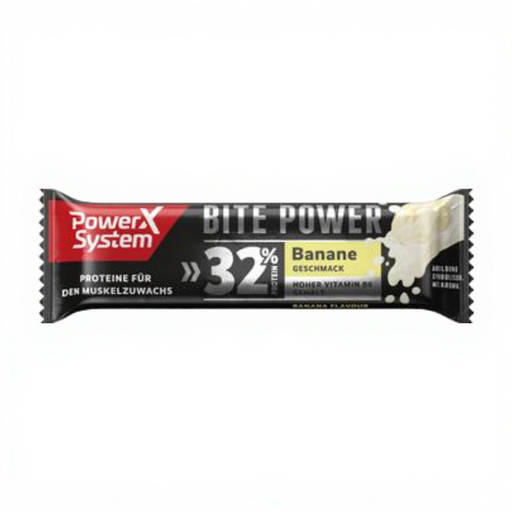 No image available
If you’re considering a smaller protein snack, compare the nutritional information for the stated 35 g portion rather than looking only at values per 100 g.
The product name states 32% protein and a banana flavour. For a full comparison, also check the energy per portion.
 No image available
If you’re looking for bars in a multipack, compare the nutritional information per 55 g bar, not per pack.
Pack size: 12 × 55 g. If you have specific ingredient or dietary requirements, check the labelling for the exact variety.
 No image available
If you’re comparing a protein bar in a multipack, compare the energy and protein content per 45 g bar.
The product name states 30% protein and 12 bars of 45 g each. The protein percentage alone doesn’t tell you how much energy each bar contains.
No. A bar’s protein content doesn’t prove that it will help you lose weight. The German Nutrition Society considers the effects of higher protein intake on weight during an energy-restricted diet to be unclear. For long-term weight management, the consumer advice centre highlights overall energy balance and a diet that works in everyday life.
No. ‘No added sugar’ doesn’t tell you how much energy a portion contains. More Nutrition lists 190 kcal per 50 g bar for a variety of the More Protein Bar described this way. So compare the kcal in the variety you’re thinking of buying.
Sugar substitutes aren’t calorie-free and, according to the consumer advice centre, can have a laxative effect when consumed in large quantities. For the specific variety, check the information on polyols and any warnings, particularly if you’re thinking of having more than one portion.
Check the ingredients and allergen labelling on the specific pack, not just the brand name. For prepacked foods, information about any allergens present must be provided. Also check for any ‘may contain’ statements when choosing a product.
No. To compare bars as part of mindful snacking, you also need the portion size and energy content per bar. Compare the protein and kcal for the same portion, and check the ingredients and other nutritional information if needed.