Snack planners keeping an eye on calories
If you want to fit a sweet snack into your day, the nutrition information for the whole bar matters more than a protein claim on the front of the pack.


A protein bar can work as a planned snack when managing your weight, provided its energy and protein content per bar fits your daily plan. The words ‘high protein’ on the wrapper alone don’t mean it will help you lose weight. The German Nutrition Society says the independent effect of a high-protein diet on body weight and fat mass is unclear. According to the consumer advice centre, energy balance and a diet that works in everyday life remain key to long-term weight management.
If you want to fit a sweet snack into your day, the nutrition information for the whole bar matters more than a protein claim on the front of the pack.
A portioned source of protein can be handy when you’re out and about. Whether a bar fits your diet also depends on what else you eat throughout the day.
If you prefer plant-based ingredients or need to avoid allergens, check the specific variety, including its ingredients list and any ‘may contain’ information.
Start by comparing the nutrition information per bar with the figures per 100 g. Per-bar values help you plan snacks, while the standard 100 g measure makes bars of different sizes easier to compare. Your training routine, diet and tolerance will then help you decide which ingredients matter to you.
| What to consider | What to check when buying | Who it matters to |
|---|---|---|
| Energy and portion size | Compare kcal and protein per bar, and check its weight. | When I plan a sweet snack, I want to know how much energy is in the portion I’ll actually eat. For around 36% of consumers, this comparison comes first. |
| Protein on the go | Check the grams of protein per bar and whether you’ll be eating it in addition to your usual meals. | When I’m doing sport, I look for a convenient portion without seeing a bar as an essential extra. Around 29% of consumers prioritise a handy portion of protein. |
| Protein source and allergens | Read the ingredients list, declared allergens and ‘may contain’ information for the specific variety. | My first priority is finding a recipe that suits my diet or avoids specific allergens. Suitable ingredients come first for around 21% of consumers. |
| Sweeteners and tolerance | Look out for sugar alcohols such as maltitol, other ingredients and serving advice. | When a sweet bar contains sugar alcohols, I want to know how well I’ll tolerate it. This is the first thing around 14% of consumers consider. |
A high protein content doesn’t prove that a bar will help you lose weight. The German Nutrition Society says the independent effect of a high-protein diet on weight and fat mass, as part of an energy-reduced diet, is unclear.
So consider the energy in each bar and how the snack fits into your overall diet, rather than choosing based on the protein claim alone.
Even a bar marketed this way still provides energy. Barebells Germany lists 161 kcal per 45-g bar for its Chocolate Spread variety.
Compare energy, protein and sugar per portion, and read the ingredients list.
As the consumer advice centre explains, sugar alcohols can have a laxative effect when consumed in large amounts. For its Sportness Banana Bread bar, dm includes a similar warning about excessive consumption.
Check the sweeteners and serving advice for the specific variety. If you’re concerned about how well you’ll tolerate it, start with a single portion.
Dessert-style protein bars for shoppers who want to compare the protein and energy in a single snack portion.
The vegan Chocolate Brownie variety listed by dm is a plant-based option for comparing protein and fibre.
The vegan Banana Bread variety listed by dm can be compared with other bars using its nutrition information per 100 g.
This selection includes individually portioned chocolate and protein bars for planning snacks, as well as a variety described as vegan. The nutrition information and ingredients of each specific bar remain key; this selection is not an assessment of how suitable the bars are for weight loss.
 No image available
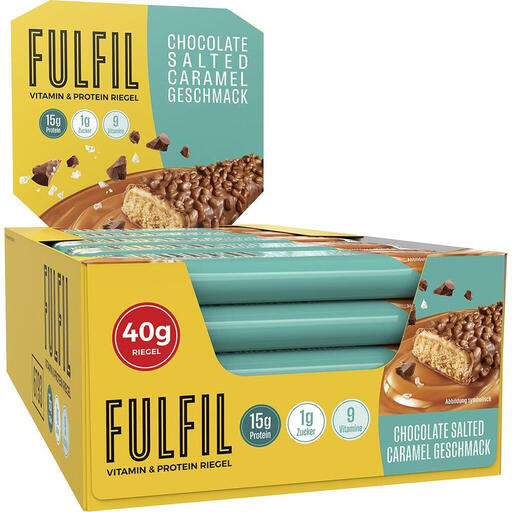
These individually wrapped bars may suit you if you’re choosing a snack to fit into your day.
According to the product name, the pack contains 15 bars weighing 40 g each. Note the information about milk, soya and gluten-containing barley, as well as the warning about a possible laxative effect if consumed in excess.
 No image available
This individually portioned chocolate bar is an option if you want to plan a snack based on the nutrition information for the whole bar.
The product name states that each bar weighs 50 g. Check the information about milk and soya, as well as the warning about maltitol and excessive consumption.
 No image available
These individually portioned protein bars may suit you as a planned snack for everyday life or around your training.
According to the product name, the pack contains 12 bars weighing 55 g each. Note that the recipe contains milk, soya and sweeteners, and check the ‘may contain’ information on the pack.
 No image available
This variety is described as vegan and may suit you if you’re looking for a plant-based protein bar and its ingredients work for you.
According to the product name, the pack contains 12 bars weighing 55 g each. Note the peanuts, wheat, soya and maltitol. Before buying, compare the protein per bar with the nutrition table on the pack: the highlighted serving information and the per-100 g figure give different values per portion.
No. A high protein content doesn’t prove that a bar will help you lose weight. The German Nutrition Society says the independent effect of a high-protein diet on weight and fat mass is unclear. When choosing a snack, you should also consider the energy in each bar.
Compare the nutrition information per 100 g, as well as the figures for the whole bar. Food Federation Germany explains that information per 100 g makes foods easier to compare; the weight of the bar, on the other hand, determines the values for the portion you actually eat.
Yes. Vegan doesn’t mean allergen-free. Read the ingredients and ‘may contain’ information for the specific variety: for example, the vegan bars listed by KoRo and Sportness contain soya, while the Sportness bar also contains wheat.
As the consumer advice centre explains, sugar alcohols can have a laxative effect when consumed in large amounts. Check the ingredients and serving advice on the pack. dm includes this type of warning for Sportness Banana Bread.
A protein bar isn’t essential for getting enough protein when you exercise. The consumer advice centre points out that you can also get protein from everyday foods. A bar may simply be convenient if a portioned snack option fits into your routine.