Calorie-conscious desk snackers
You’re looking for a portion-controlled snack for a short break and want to fit its energy content into your daily plan, without treating it as a replacement for lunch.


For a calorie-conscious snack when you’re working from home, the energy in the portion you actually eat matters more than the word ‘protein’ on the wrapper. Also compare the protein per portion and check the ingredients and allergens; a typical protein bar is not automatically a substitute for lunch.
You’re looking for a portion-controlled snack for a short break and want to fit its energy content into your daily plan, without treating it as a replacement for lunch.
If you reach for a bar between work and a workout, the protein in the portion you eat tells you more than a prominent percentage on the front of the pack.
If you avoid certain allergens or are sensitive to sugar alcohols, the ingredients list and precautionary allergen information may influence your choice more than the energy or protein content.
First decide whether you need a small snack or a meal for lunch. When comparing bars, focus on the amount you’ll actually eat: nutrition information per 100 g alone doesn’t account for the different portion sizes.
| Criteria | What to check | Who it matters to |
|---|---|---|
| Energy per portion | Check the kcal per bar or per portion if you’re eating only part of it; if the bars are different sizes, compare the information per 100 g as well. | If I want just a small snack between meetings, the energy content should match the amount I actually eat. For around 42% of consumers, portion size is the top consideration. |
| Protein per portion | Compare the grams of protein in the bar or piece you’ll eat, rather than just looking at a percentage per 100 g. | If you plan your protein intake throughout the day, you’ll want to know how much the portion you actually eat contributes. For around 33% of consumers, this is the priority. |
| Ingredients and suitability | Read the ingredients, allergen labelling and precautionary allergen information for the specific bar; if relevant, check the amount of polyols per portion. | If I need to avoid an allergen or don’t tolerate sugar alcohols well, the specific recipe determines what I choose. This is the main concern for around 25% of consumers. |
A prominent protein claim alone doesn’t tell you whether a bar is suitable as a complete meal. The Verbraucherzentrale also points out that protein intake in Germany is generally adequate.
Think of a typical protein bar as a snack. If you want it to replace lunch, check the full label and whether the specific product is intended for that purpose.
Low sugar doesn’t automatically mean low in energy. Barebells lists 193 kcal per 55 g Chocolate Cake bar and says its products are not low-calorie or reduced-calorie.
First compare the kcal in the portion you’ll eat, then look at the protein, sugar and other nutritional information.
The Verbraucherzentrale notes that consuming large amounts of sugar substitutes can have a laxative effect. For its Power System Lower Carb Bar, the manufacturer lists 7.8 g of polyols per 40 g bar.
If you have a sensitive digestive system, read the ingredients list, check the amount of polyols and follow the guidance on the packaging of the specific product.
Allergens and possible traces can vary between bars and flavours. A general description of the brand isn’t enough to help you choose if you have an allergy.
Before buying, check the current ingredients list and precautionary allergen information for the exact variety you plan to eat.
The information below applies to the specific bars mentioned, not necessarily to every product in a brand’s range. Always compare the nutrition and ingredients for the exact variety.
The range includes protein bars with different focuses on sugar and carbohydrates.
The chemist’s own brand offers smaller protein bars in a range of flavours.
The brand offers protein bars across several ranges and flavours.
These bars could work as portion-controlled snacks for a break from work. Before choosing, check the current nutritional information for the amount you actually plan to eat; a bar isn’t necessarily low-calorie just because of its name.
 No image available
This 50 g bar could be a handy option for a short snack break rather than lunch. Check the nutrition information for the whole bar, along with the ingredients and guidance on excessive consumption.
 No image available
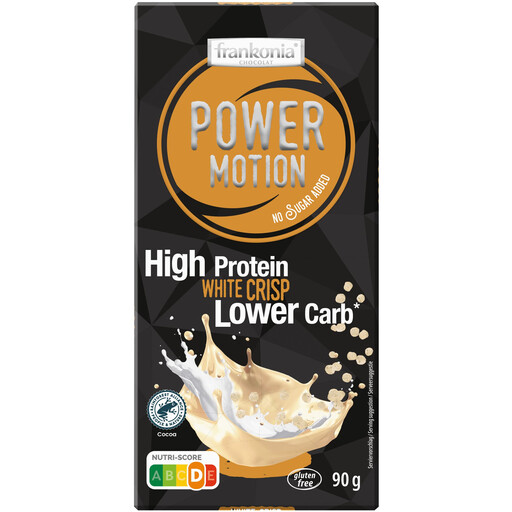
This 90 g bar is best considered as a small snack if you only plan to eat part of it. Compare the nutrition information for the portion you’ll actually eat rather than the whole bar, and check the ingredients and precautionary allergen information.
 No image available
The 35 g format could suit a short break. When comparing the energy and protein per portion, use the figures for the whole bar; also check the current ingredients and allergen labelling.
No. The claim doesn’t tell you how much energy is in the bar you eat. Barebells says its products are not low-calorie or reduced-calorie, so check the kcal per portion regardless of claims like these.
A typical protein bar isn’t automatically a substitute for lunch. If you want to have one instead of a meal, check its full label and whether it’s intended for that purpose; a high protein content alone won’t answer that question.
According to the Verbraucherzentrale, consuming large amounts of sugar substitutes can have a laxative effect. If you’re sensitive to them, check the ingredients list, the amount of polyols in your portion and the guidance on how to consume the product.
Read the ingredients list and any precautionary allergen information for the specific flavour. Lebensmittelverband Deutschland explains that ingredients containing allergens that must be declared are highlighted in the ingredients list; don’t rely on information for another variety from the same brand.