What should you look for when buying?
First, work out which ingredient you want to avoid. Then compare the labelling for the specific variety, the portion size and the bar’s ingredients with what you need for your lunch break.
| Criterion |
What to check when buying |
Who it matters most to |
| Allergens and gluten |
Read the ingredients, highlighted allergens and, where relevant, ‘may contain’ statements for the variety. If you need to avoid gluten, look for an explicit ‘gluten-free’ claim. |
If I need to avoid a particular ingredient, I need to make a clear decision based on the packaging. This specific allergen or gluten check is a top priority for around 33% of consumers. |
| Plant-based ingredients |
Check the vegan claim and protein source; assess soya, nuts and gluten-containing ingredients separately. |
I want a plant-based bar without assuming that ‘vegan’ means it is free from other ingredients I need to avoid. A plant-based option is a priority for around 27% of consumers. |
| Its role at lunchtime |
Compare the bar’s portion size and nutrition information with your lunch plans; don’t judge a snack by its protein content alone. |
On a busy working day, I need something I can eat without preparation, but I’ll treat it only as a stopgap. This quick-snack use is a priority for around 20% of consumers. |
| Sweeteners |
Check the ingredients list for sweeteners and sugar alcohols such as maltitol, as well as any consumption advice. |
If I’m considering several sweet bars, I want to know what they contain and whether there is any advice on how much to eat. Ingredient tolerance is a priority for around 20% of consumers. |
Protein bars and snack options at Joybuy
This selection includes a protein bar labelled gluten-free, a vegan option and other protein-focused bars for snacking while working from home. The ingredient and allergen information for each product matters more than grouping them all under a shared ‘free from’ claim.
 No image available
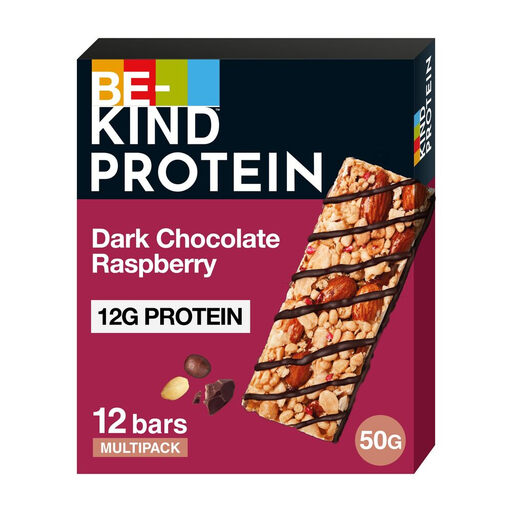
BE-KIND Protein Dark Chocolate Raspberry, 12 × 50 g
A individually portioned snack for when you’re specifically looking for an explicit gluten-free claim. Check the labelling on the current packaging.
The product information lists peanuts, soya and almonds; it may contain milk. The gluten-free claim does not replace the need to check for these allergens.
View at Joybuy
 No image available
Barebells Vegan Protein Bar Peanut Caramel, 12 × 55 g
A plant-based snack option for anyone specifically looking for a vegan bar. Vegan does not mean that the bar is free from other allergens.
The product information lists peanuts, wheat protein, soya and sweeteners. Check the protein content on the current packaging: the product description and nutrition table give different figures per bar.
View at Joybuy
 No image available
Corny Crunchy Cookie Flavour Protein Bar, 12 × 45 g
A individually portioned protein bar for a quick snack; the product name states that it contains 30% protein.
The product information lists milk, soya, gluten-containing cereals, eggs, peanuts and nuts, among other ingredients, as well as maltitol and sucralose. If you need to avoid any of these ingredients, or plan to eat several bars, check the current packaging.
View at Joybuy
 No image available
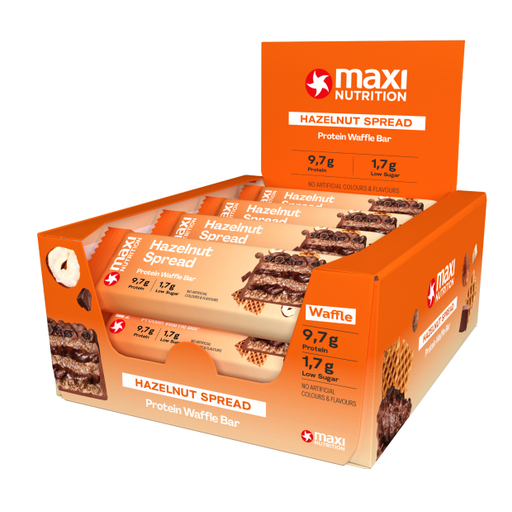
Maxi Nutrition Muesli Nut Butter Protein Wafer Bars, 12 × 39 g
An individually portioned protein wafer bar for a snack between meals, rather than a complete lunch.
The product information lists gluten-containing cereals, milk, soya, hazelnuts and maltitol; it may contain other nuts. Check these details against the information on the packaging.
View at Joybuy
 No image available
Premier Protein 50% Bar Chocolate Caramel
A chocolate caramel-flavoured protein bar for snacking while working from home. Check the pack size and portion before buying: the product information provided is contradictory.
The allergen information lists milk, soya, peanuts, gluten-containing cereals and nuts. Sweeteners and consumption advice are also specified for this variety.
View at Joybuy
Frequently asked questions
Do allergens have to be listed on a protein bar?
Yes. If any of the 14 allergens covered by EU rules is used as an ingredient, it must be clearly labelled, according to the European Commission. Read the allergen information for the specific variety and check any additional ‘may contain’ statements.
Is a vegan protein bar also gluten-free and nut-free?
No. A vegan claim does not rule out gluten or nuts. For example, EDEKA lists almonds or soya crispies in its vegan MAX BALANCE varieties described here; the ingredients and allergen information for the variety you choose are what matter.
What does ‘gluten-free’ mean on a protein bar?
It is a claim subject to a set limit: under EU Implementing Regulation No. 828/2014, ‘gluten-free’ may be used on food sold to consumers only if it contains no more than 20 mg/kg of gluten. Check the packaging separately for other allergens.
Can a protein bar replace lunch when working from home?
A protein bar can work as an occasional snack when you’re short on time, but it is not automatically a complete lunch. The Federal Centre for Nutrition recommends treating protein bars as an occasional snack rather than a complete meal.
Why do some bars carry a warning about a laxative effect?
This warning may relate to the sugar substitutes in the bar. The Verbraucherzentrale notes that large amounts of certain sugar alcohols can cause digestive problems; dm specifically warns that excessive consumption of its Sportness Banana-Bread Protein Bar may have a laxative effect.


