What should you look for when choosing one?
Start by deciding who the bar is for and what you want it for. Then compare the nutritional information per bar and check the ingredients and allergens. For a day out, portion size and pack format matter too.
| Criterion |
What to check when buying |
Who it matters to |
| Protein per portion |
Protein in g and energy per bar; also check the bar’s weight if the nutritional information is given only per 100 g. |
After exercise, I want to know what’s in an individual snack portion without assuming that a bar is essential. For around 33% of consumers, comparing portions is the main consideration. |
| Dietary requirements and allergens |
Protein source, ingredients list and highlighted allergens for the specific variety; check for vegan labelling if needed. |
If I’m packing snacks for several people or need to avoid dairy ingredients, the bar must meet everyone’s requirements. This is the first thing around 25% of consumers look for. |
| Sugar and sweeteners |
Sugar per bar, plus sweeteners and sugar substitutes in the ingredients list. |
I want a sweet snack that suits my preferences, and I also keep an eye on how much I eat when it contains sugar substitutes. This is the top concern for around 25% of consumers. |
| Portability and pack format |
Single bar or multipack, storage instructions and best-before date. |
For a day out during the holidays, I mainly need a snack that’s easy to portion and carry. This practical consideration comes first for around 17% of consumers. |
Protein bar brands to consider
The product ranges below offer different approaches to protein sources, flavours and portion information. The label on each individual bar is what matters most.
Barebells
Barebells makes classic, soft and vegan protein bars for anyone looking for a sweet snack to take on the go.
- Barebells states that its protein bars contain up to 20 g of protein per bar, depending on the variety.
- Information for a product range does not automatically apply to the nutritional values or ingredients of every variety, so check the individual pack.
ESN
ESN offers products including Designer Protein Bars and GOAT Bars for everyday snacking or after an activity.
- ESN states that a Designer Protein Bar contains up to 15 g of protein per bar; the figure depends on the variety.
- ESN lists milk protein and maltitol and/or sucralose. Check the ingredients and allergens for the variety you choose.
IronMaxx
The Vegan Protein Bar range is aimed at people specifically looking for plant-based protein sources.
- IronMaxx states that its Vegan 30 Protein Bar contains a blend of pea, fava bean and rapeseed proteins.
- A plant-based protein blend does not tell you whether the bar contains other allergens, so check the specific pack.
LAYENBERGER
LAYENBERGER makes several bar and protein snack ranges to suit different flavour and texture preferences.
- The range includes several product lines, each of which can be compared by checking its labelling.
- Protein, sugar and allergen information varies by product, so the breadth of the range alone is not a reason to choose one.
Protein bars at Joybuy
This selection includes bars for snacking on the go, including products labelled plant-based and sweet varieties. The label on the specific pack will tell you whether a bar meets your requirements.
 No image available
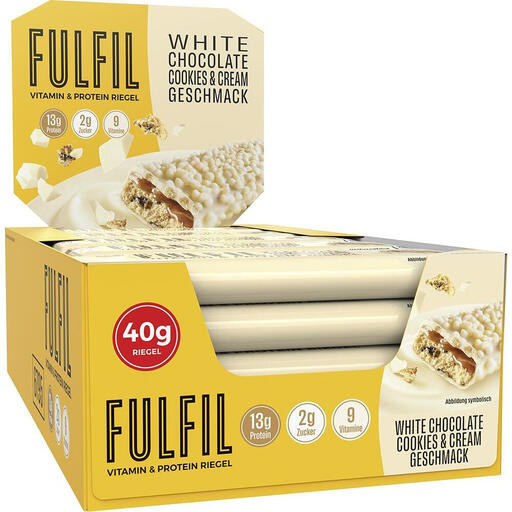
FULFIL Vitamin & Protein Bar White Chocolate Cookies & Cream, 15 × 40 g
This multipack could suit you if you want to take individual bars on days out.
The product name specifies 15 bars of 40 g each. If you need to avoid dairy ingredients or sugar substitutes, check the ingredients and information on the pack.
View at Joybuy
No image available
Frankonia Sugar Free Nutrition Bar Chocolate Brownie, 50 g
This bar could work as a single snack portion on the go if you want to compare a sweet variety.
The product name specifies 50 g. Check the sugar and sweeteners against the nutritional information and ingredients list on the pack, and also look out for milk and soya.
View at Joybuy
 No image available
Barebells Vegan Protein Bar Peanut Caramel, 12 × 55 g
This vegan variety could suit a plant-based diet, provided its ingredients meet your requirements.
The product name specifies 12 bars of 55 g each. Different figures of 15 g and 14.3 g have been given for the protein per bar, so check the figure on the pack. Pay particular attention to the information about peanuts, soya and wheat.
View at Joybuy
 No image available
Power System Low Carb Cookies & Cream Protein Bar, 40 g
This Cookies & Cream variety could be a good option if you want to take an individual bar as a sweet snack.
The product name specifies 40 g. Compare the protein and energy per bar on the pack: a figure per 100 g is not the same as the value per portion, and the energy figures differ. Also check the ingredients list for milk, soya and sweeteners.
View at Joybuy
 No image available
Premier Protein 50% Bar Chocolate Caramel, 16 × 40 g according to the product name
This Chocolate Caramel variety could make a sweet snack on the go if you check the portion information first.
The product name specifies 16 × 40 g, while another weight figure gives 100 g per bar. Check the portion size and protein per bar on the pack. Also look out for milk, soya and sweeteners.
View at Joybuy
Frequently asked questions
Does ‘High Protein’ mean a set amount of protein per bar?
No, the claim does not specify a set number of grams per bar. Under EU Regulation (EC) No 1924/2006, ‘high protein’ refers to the proportion of protein in the food’s energy value. For comparing snacks, you should also check the grams of protein and energy per actual bar.
Do I need a protein bar after exercise during the school holidays?
A protein bar isn’t generally necessary after exercise. The German Nutrition Society does not consider adults who do recreational sport to have a generally increased need for protein, although a bar can still fit into your routine as a snack when you’re out and about.
Can I simply pack a protein bar for children and teenagers?
The words ‘High Protein’ alone aren’t a good basis for choosing a snack for children or teenagers. The German Nutrition Society’s protein reference values vary by age and body weight, so consider portion size, ingredients, allergens and sweeteners alongside the rest of the day’s food.
What should I consider for a vegan diet, allergies or lactose intolerance?
The ingredients and allergen labelling for the specific variety are what matter, not just the words ‘protein bar’ or ‘vegan’. Under European labelling rules, allergens in pre-packed foods must be highlighted in the ingredients list. For lactose intolerance, the German consumer advice centre specifically advises against whey concentrate.
Are bars with no added sugar automatically easier to tolerate?
No, a bar with no added sugar may contain sweeteners or sugar substitutes. The German consumer advice centre notes that sugar substitutes can have a laxative effect when consumed in larger quantities, so read the ingredients list and consider how many bars you plan to eat.


