What should you look for when buying?
First decide whether you want a specific amount of protein or simply a convenient snack to take with you. Then compare the nutritional information per bar and per 100 g, along with the ingredients in the specific variety.
| What to consider |
What to check |
Who it matters to |
| Protein per portion |
Grams of protein per bar and the bar's weight; do not read a percentage figure as a number of grams. |
After sport or a long day out, I want to know how much protein the bar I have packed actually contains. For around 31% of consumers, the amount per portion is the main consideration. |
| Convenience to take along |
Portion size and storage instructions; in warm weather, also check whether the specific bar is suitable for carrying in a bag. |
For a day out, I need something I can pack without preparing it, but it should not replace a meal. Being easy to take along is the top priority for around 25% of consumers. |
| Ingredients and suitability |
Ingredients list, highlighted allergens and any guidance on consuming sweeteners. |
If the bar is for the family, I need to know whether its ingredients suit everyone before packing it. For around 25% of consumers, this check comes first. |
| Its role as a between-meal snack |
Consider the portion size and nutritional information in the context of your other meals. |
For an ordinary break during the holidays, the first thing I ask myself is whether a specialist protein bar is needed at all. Around 19% of consumers put this in perspective first. |
Browse bars at Joybuy
This selection includes individually wrapped protein bars and multipacks for snacks on the go. Not every bar is a cereal-based granola bar, so check the portion size, ingredients and nutritional information for the variety you want.
 No image available
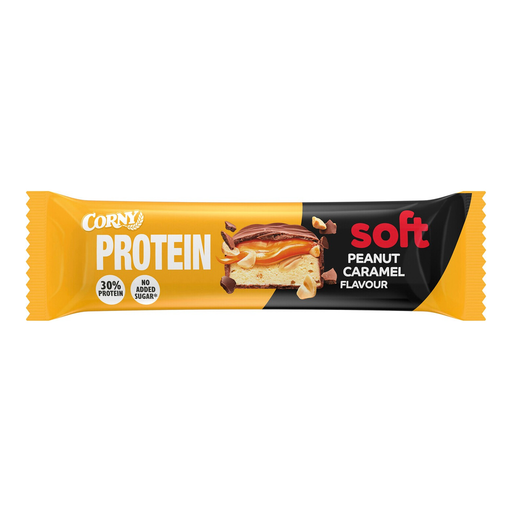
Corny Protein Peanut & Caramel Bar, 45 g
The 45-g bar format is worth considering if you want an individual snack to take with you. When choosing, check the protein content per bar and the labelling for milk, soya, peanuts and polyols.
View at Joybuy
 No image available
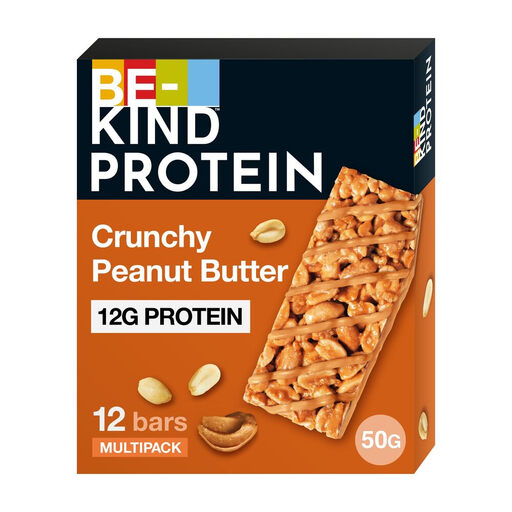
BE-KIND Protein Crunchy Peanut Butter, 12 × 50 g
The pack of twelve 50-g bars can be set aside for several snack breaks. Compare the information per bar and, if you have allergies, pay particular attention to the labelling for peanuts, milk, soya and other nuts.
View at Joybuy
 No image available
Frankonia Sugar Free Nutrition Bar Chocolate Brownie, 50 g
This 50-g nutrition bar is an alternative type of bar, but it is not clearly a cereal-based granola bar. Before choosing it, read the pack for information about milk, soya and maltitol, as well as any consumption guidance.
View at Joybuy
 No image available
Corny Crunchy Cookie Flavour Protein Bar, 12 × 45 g
The multipack of 45-g bars suits anyone looking for portioned snacks with cereal crisps. If you want to compare the protein in each snack, check the number of grams per bar on the pack; also read the ingredients and allergen information.
View at Joybuy
 No image available
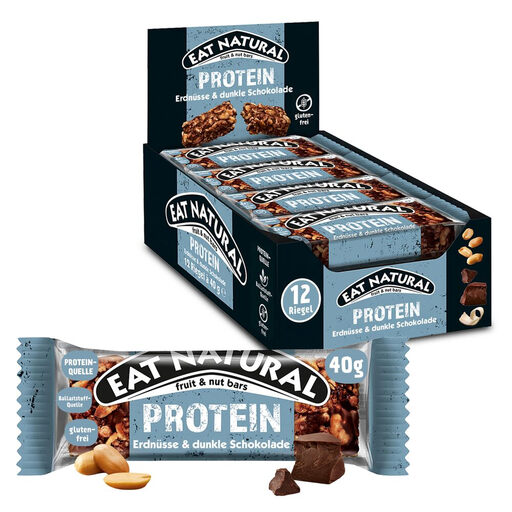
Eat Natural Protein Bars Peanuts & Dark Chocolate, 12 × 40 g
The pack contains twelve 40-g bars for individually portioned snacks on the go; they are not clearly described as cereal-based granola bars. Compare the protein per bar and, if you have allergies, check the ingredients and any ‘may contain’ information.
View at Joybuy
Frequently asked questions
Do children generally need protein bars during the holidays?
No, a protein bar is not generally necessary as part of children's diets. Protein is important during growth and development, but the German Federal Centre for Nutrition views these bars as an occasional snack, not a replacement for varied meals.
Is 20% protein the same as 20 g of protein per bar?
No, percentages and grams are different ways of expressing information. The North Rhine-Westphalia Consumer Advice Centre explains the difference using a 50-g snack as an example. Always compare the bar's weight with the amount of protein in grams per portion.
How do I check for allergens in a protein bar?
Check the ingredients list, highlighted allergens and, where provided, any ‘may contain’ information on the specific pack. Depending on the recipe, milk, soya, peanuts or cereals containing gluten may be relevant. You cannot assume that the information for another bar from the same brand also applies.
Is a low sugar content the only thing that matters in a protein bar?
No, check the other nutritional information, ingredients and consumption guidance too. For example, the Premier Protein Chocolate Brownie Caramel Bar listed by REWE contains 12 g of polyols per 50-g bar and carries a warning that excessive consumption may have a laxative effect.


