If having potato as an ingredient matters to you, IronMaxx High Protein Potato Chips are worth considering. Layenberger High Protein Chips, by contrast, are a soya protein snack. Based on their stated nutritional values, both exceed the EU threshold for a “high protein” claim. For air travel, you should also consider the ingredients and allergens, the portion you’ll actually eat, and the rules on dips in hand luggage.
Who is this choice relevant to?
Travellers with a specific protein requirement
You want to choose a savoury snack with nutritional values you can check. Both the protein per 100 g and its share of the total energy value matter. The ingredients determine whether you’re actually buying potato crisps.
Travellers with hand luggage
You’re looking for a dry, packaged snack to enjoy while waiting and during your flight. If you want to take a dip or spread with you, you’ll need to check its consistency and the rules at your security checkpoint separately.
Shoppers focused on ingredients or salt
You’re comparing soya and pulses, checking for potential allergen warnings, or assessing salt and fat based on the amount you’ll actually eat. The information on the specific pack is what matters.
What should you look for when buying?
First, decide whether you need a potato-based snack and a “high protein” claim. Then you can compare the packaging, ingredients and nutritional values for the portion you’ll take on your journey.
| Criterion |
What to check |
Who it matters most to |
| Protein content |
Compare protein and energy value per 100 g; check the actual ingredients too. |
If “high protein” matters to me, I want to check the proportion of energy that comes from protein rather than relying on the product name. For around 31% of shoppers, this is a key consideration when buying. |
| Taking it in hand luggage |
Choose a dry, sealed pack; check the rules at your departure security checkpoint for dips. |
Before a flight, I want to take an individually packaged snack without needing to plan for a creamy accompaniment. Around 23% of shoppers prioritise convenience when choosing a snack to take with them. |
| Ingredients and allergens |
Read the current ingredients list and allergen information on the pack, especially for soya or milk. |
If certain ingredients aren’t suitable for me, the recipe comes before the protein content when I’m choosing. For around 23% of shoppers, finding ingredients that suit them is the priority. |
| Salt, fat and portion size |
Compare salt and fat per 100 g and for the amount you’ll actually eat; check the pack weight. |
If I’m going to eat the whole pack, I want to assess the nutritional values for that exact amount, not just look at the values per 100 g. Around 23% of shoppers prioritise comparing portion sizes and nutritional values. |
Common selection mistakes
-
Assuming “protein crisps” automatically means “high protein”
To qualify for the EU “high protein” claim, at least 20% of a product’s energy value must come from protein, under Regulation (EC) No 1924/2006. funny-frisch states that Protein Chips Paprika Style contain 21 g of protein and 444 kcal per 100 g. That works out at around 18.9%.
If this claim is one of your buying criteria, compare the protein and energy values for the same 100 g amount. Multiply the protein in grams by four, divide by the kilocalories, then multiply by one hundred to work out the percentage of energy from protein.
-
Assuming every high-protein snack is made from potato
Layenberger High Protein Chips Paprika are a soya protein snack. funny-frisch Protein Chips Paprika Style are made with lentil flour and pea protein; IronMaxx combines potato with other plant-based ingredients.
Decide whether you’re happy for potato to be one of the ingredients, and read the ingredients list for the variant you choose. If you have allergies, check the allergen and may-contain information on the pack too.
-
Treating dips and dry crisps the same way
The Federal Police also classifies paste-like and creamy products under the rules on liquids. A dip may therefore be treated differently from a dry pack of crisps at security, and the rules can vary between checkpoints.
Before you fly, check the rules at your security checkpoint and pack any dip you’re taking with you accordingly. The final decision rests with security staff.
-
Comparing nutritional values per 100 g only
If you eat a whole pack, the amount of salt and fat you consume also depends on the pack size. The IronMaxx product page lists both 60 g and 50 g as the pack size.
Check the weight on the pack and base your nutritional comparison on the amount you plan to eat.
Brands to consider
IronMaxx
High Protein Potato Chips Sea Salt combine potato with other plant-based ingredients. They’re an option if you want potato in the recipe and protein content is one of your selection criteria.
- IronMaxx states that the sea salt variant contains 30 g of protein and 1.5 g of salt per 100 g.
- The product page lists both 60 g and 50 g as the pack size, so check the actual weight on the pack.
Layenberger
High Protein Chips Paprika are a soya protein snack, not potato crisps. This variant may suit you if those ingredients work for you.
- Layenberger states that the product contains 42 g of protein per 100 g and comes in a 75 g pack.
- The recipe contains soya protein concentrate and provides 2.4 g of salt per 100 g.
funny-frisch
Protein Chips Paprika Style are a crisp alternative made with lentils and peas, not potato.
- funny-frisch states that the paprika variant contains 21 g of protein per 100 g.
- The calculated proportion of energy from protein is below the EU threshold for a “high protein” claim. According to the product information, it may contain milk.
Lorenz
Lorenz chickpea crisps are an alternative made with pulses rather than the traditional potato.
- The chickpea base offers a different recipe for shoppers who aren’t set on potato.
- If you’re specifically looking for a “high protein” claim, check the nutritional information for the particular variant against its energy value.
Protein flips for on-the-go snacking at Joybuy
This selection features individually packaged protein flips as a crisp-style snack for travelling. If you’re specifically looking for potato crisps, check the ingredients.
 No image available
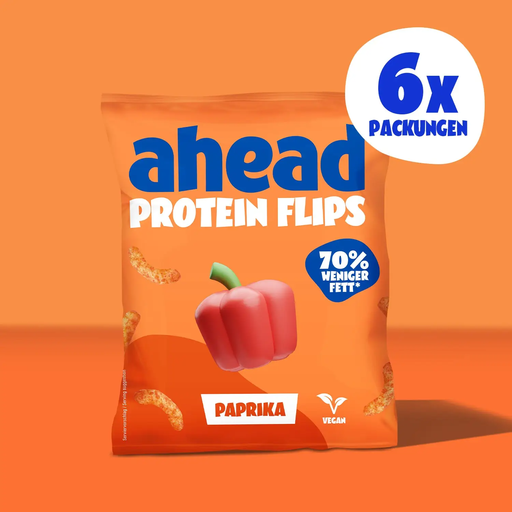
ahead Protein Flips Paprika, tray of 6 × 50 g
For travellers who want to pack individual snack portions. The tray contains six 50 g bags. The flips are made with lentil, chickpea and maize flour, not potato. Check the ingredients and allergen information on the pack.
View at Joybuy
Frequently asked questions
When does a snack meet the EU requirement for a “high protein” claim?
Under Regulation (EC) No 1924/2006, at least 20% of a product’s total energy value must come from protein. Based on the stated values, Layenberger High Protein Chips Paprika work out at around 38.3% and IronMaxx High Protein Potato Chips Sea Salt at around 30.3%; funny-frisch Protein Chips Paprika Style are below the threshold at around 18.9%. The protein figure in grams alone doesn’t answer the question.
Can I take a dry bag of crisps in my hand luggage?
A dry bag of crisps isn’t among the liquids, gels and paste-like foods covered by the Federal Police’s published guidance on liquid screening. Dips are subject to different checks, so confirm the rules at your security checkpoint and, where relevant, the rules of your airline and destination country. Security staff have the final say at the checkpoint.
Which ingredients should I check in protein crisps?
Check the ingredients list and allergen information on the specific pack, especially if soya, milk or pulses are relevant to you. Layenberger High Protein Chips Paprika contain soya protein concentrate; funny-frisch Protein Chips Paprika Style contain lentil flour and pea protein and carry a may-contain-milk warning.
How should I compare nutritional values for a day of flying?
Use the per-100 g values to work out what you’ll get from the amount you actually plan to eat, comparing protein, salt and fat. Check the pack weight: the product page for IronMaxx High Protein Potato Chips Sea Salt lists different weights.


