Active people who prioritise protein
You want to compare the protein content of your snack and would be happy to choose crisps or flips made from pulses or soya instead of potato crisps.


If you're looking to add more protein with a crunchy snack at lunchtime while working from home, crisps and other snacks made from pulses or soya are worth considering. For a classic potato crisp, however, traditional varieties are the better choice. According to funny-frisch, Protein Chips Paprika contain 21 g of protein per 100 g, while Chio and Lorenz each state that the potato crisps covered here contain 5.6 g per 100 g. Compare salt, ingredients and the portion you actually eat too – a snack of crisps is no substitute for lunch.
You want to compare the protein content of your snack and would be happy to choose crisps or flips made from pulses or soya instead of potato crisps.
You're looking for something crunchy to go with lunch. Alongside the protein content, portion size and the energy, fat and salt figures matter to you.
You're mainly after classic potato crisps. A higher protein content would be welcome, but it shouldn't determine whether you switch to a different type of product.
First decide whether you want potato crisps specifically, or whether you'd consider a different snack base for a higher protein content. Then compare the nutritional information on the same basis and keep an eye on your portion size.
A good fit if: You want to add protein with a crunchy snack and aren't expecting potato slices. funny-frisch lists 21 g of protein per 100 g for Protein Chips Paprika; REWE states that Layenberger LowCarb.one High Protein Chips Paprika contain 42 g per 100 g.
The trade-off: The ingredients are different. For the varieties mentioned, pay particular attention to the salt content and to soya and possible milk ingredients.
A good fit if: You'd rather have potato as the main ingredient than a deliberately high protein content. According to Chio, Chips Ready Salted contains potatoes, vegetable oils and salt.
The trade-off: Chio lists 5.6 g of protein per 100 g for Chips Ready Salted, and Lorenz gives the same figure for Crunchips Western Style. These values are lower than those of the protein snacks mentioned.
| What matters | What to check | Who it matters most to |
|---|---|---|
| Protein content | Compare protein per 100 g and for the portion you plan to eat; also check the type of product. | If I want something crunchy for lunch after exercising, I want the snack to provide a clear amount of protein. Around 46% of consumers would make protein content their top buying priority. |
| Something to go with lunch | Check energy, fat and salt per 100 g, as well as the amount you actually eat. | As a side to lunch, I want to choose my snack portion mindfully rather than relying on the protein claim alone. For around 36% of consumers, this would be their main consideration when buying. |
| Classic potato crisp character | Check the product name and the first ingredients: potato slices are different from crisps or flips made from pulses. | If I want classic potato crisps, the type of product matters more to me than a higher protein content. This would be the main priority for around 18% of consumers. |
The name doesn't necessarily mean they're made from potato slices: funny-frisch lists lentil flour and pea protein in Protein Chips Paprika; the Layenberger snack described by REWE is made with soya protein concentrate.
Read the product name and ingredients list if the snack's base matters to you. If you have a soya or milk allergy, always check the labelling on the specific pack.
According to funny-frisch, Protein Chips Paprika contain 1.9 g of salt per 100 g; REWE states that More Protein Tortilla Chips Paprika Ungarisch contain 3 g per 100 g. A higher protein content doesn't tell you about the overall nutritional make-up of the snack.
Compare protein, energy, fat and salt per 100 g. Also check how much of each is in the portion you plan to eat.
The protein figure on the pack describes just one aspect of the food, not the make-up of a complete lunch. The Verbraucherzentrale points out that even active people can meet their protein needs with everyday foods that are high in protein.
If you want crisps with lunch, plan them as a crunchy addition to a meal rather than choosing your whole meal based on the snack's protein claim.
The Verbraucherzentrale NRW points out that a lower fat content in vegetable or pulse crisps doesn't automatically mean they contain proportionately fewer calories.
Compare the energy figures for the specific varieties per 100 g, then take your portion size into account.
The differences apply to the specific varieties mentioned, not every snack made by each brand.
The brand offers both lentil crisps and snacks specifically called Protein Chips. Don't assume the varieties are the same just because they share a brand name.
REWE describes LowCarb.one High Protein Chips Paprika as a soya protein-based snack.
According to REWE, More Protein Tortilla Chips Paprika Ungarisch combine soya protein with potato granules. Tortilla crisps are a different type of product from crisps made from potato slices.
Crunchips Western Style is an example of seasoned classic potato crisps for when the type of product matters more than a high protein content.
Chips Ready Salted is an example of potato crisps made with potatoes, vegetable oils and salt.
This selection includes protein flips and lentil crisps as crunchy alternatives to classic potato crisps. Check the nutritional information and ingredients for the specific variety before planning it into your lunch.
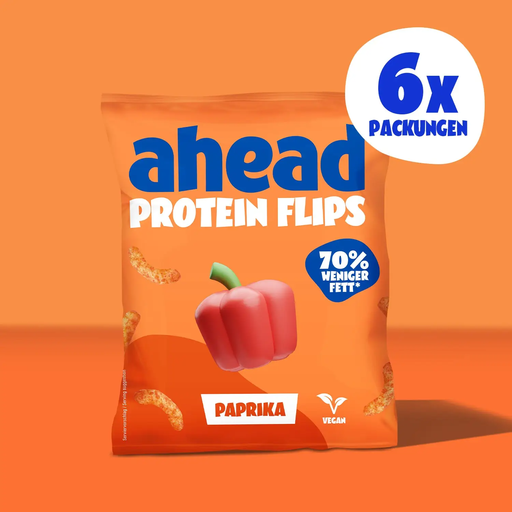 No image available
A lunch option if you'd prefer protein flips to potato crisps. The tray contains six 50 g packs; check the nutritional information on the product to see how it fits your portion.
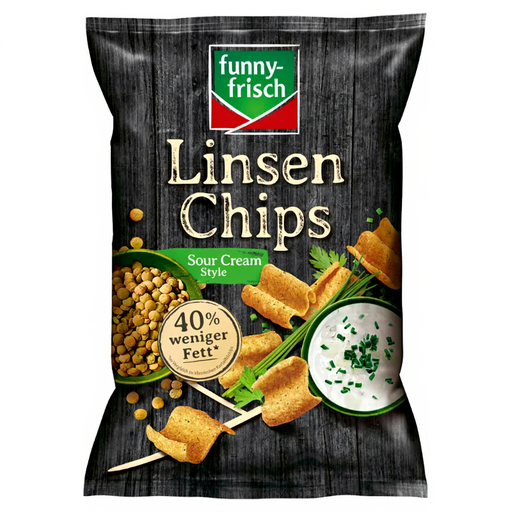 No image available
An option if you're considering lentil crisps instead of classic potato crisps. The pack contains 90 g; compare protein, energy, fat and salt using the information for the variety you're buying.
Not necessarily: the protein alternatives covered here are made from different ingredients. funny-frisch lists lentil flour and pea protein in Protein Chips Paprika; REWE describes the Layenberger crisps mentioned as a soya protein-based snack. If you're looking for potato crisps, check the product name and ingredients list for the specific variety.
Don't plan protein crisps as a complete lunch based on their protein content alone. The Verbraucherzentrale points out that even active people can get protein from everyday foods that are high in protein; what matters for lunch is the whole meal, not just the figure for one snack.
A lower fat figure doesn't automatically mean fewer calories. The Verbraucherzentrale NRW recommends checking the energy content separately for vegetable and pulse crisps. Compare specific varieties per 100 g first, then look at the portion you plan to eat.
Ingredients vary by variety: REWE lists soya protein in the Layenberger and More Nutrition snacks described here; milk protein is also listed for More Protein Tortilla Chips. If you have an allergy, always check the ingredients and allergen information on the specific pack you're buying.