If a high protein content is your main priority, compare protein and energy per 100 g – not just the word ‘protein’ on the pack. Based on the figures published by ALDI SÜD, its Protein Chips Paprika meet the EU condition for a high protein content; the products checked from Lorenz, funny-frisch and EDEKA do not reach this threshold. A nut or snack mix, or lentil crisps, could still suit your office break if taste and variety matter more. If so, check the portion size, salt and allergens too.
Who are these snack options suitable for?
People who prioritise protein
You’re looking for a crunchy snack that keeps well at work, and want to judge its protein content from the nutrition information rather than the product name. According to the German Nutrition Society, taking part in recreational sport alone does not automatically mean you need more protein.
People who prefer a mix
You’d like a selection of crunchy snacks or a peanut snack to go with your work break. That may guide your choice, even though the nutrition figures published by Lorenz and EDEKA for the products considered here do not meet the condition for a high protein content.
People who need to check ingredients
If you have allergies, intolerances or follow a particular diet, the ingredients list on the specific pack is what matters. The products considered here include ingredients such as peanuts, soya, milk, sesame and cereals containing gluten; be sure to check any ‘may contain’ warnings separately.
What should you look for when buying?
First decide whether you specifically want a snack with a high protein content or simply a mix to enjoy during your office break. Then compare the portion you plan to eat with the information on the specific pack.
| Criteria |
What to check |
Who it matters to |
| Protein content |
Compare protein and energy per 100 g. To use the EU claim ‘high protein’, at least 20% of the energy must come from protein. |
If I’m specifically looking for a protein-focused snack for work, the product name alone shouldn’t decide it. For around 42% of consumers, protein density comes first. |
| Portion |
Check the pack size and whether it contains individual bags; base protein and salt on the amount you’ll actually take with you. |
For my work break, I want to take an amount I can plan for without having to divide up a large bag. Around 25% of consumers prioritise portioning. |
| Ingredients and salt |
Read the ingredients list, highlighted allergens, possible traces and salt per 100 g on the pack. |
If I need to avoid certain ingredients or keep an eye on salt, I need to know exactly what’s in the recipe before I buy. This is the main concern for around 33% of consumers. |
Common snack-buying mistakes
-
Assuming ‘protein’ means ‘high protein’
The EU condition relates to the proportion of energy that comes from protein, not simply the grams of protein per 100 g. Based on the figures published by funny-frisch, Lorenz and EDEKA, the lentil crisps, NicNac's Original and snack mix considered here all fall below the 20% threshold.
Compare protein and energy on the same 100 g basis. To work it out, multiply the protein in grams by 4 kcal, then divide by the stated kcal per 100 g.
-
Assuming the main snack ingredient tells you about all the allergens
Lentil or peanut ingredients don’t tell you whether other relevant allergens are present. funny-frisch says that Linsen Chips Sweet Curry may contain traces of soya; Lorenz lists peanuts, wheat, soya and cheese powder among the ingredients in NicNac's Original.
For every pack you buy, check the highlighted allergens in the ingredients list and read any ‘may contain’ warnings.
-
Looking only at the protein figure
The figure per 100 g doesn’t automatically reflect how much you’ll eat during your break. Salt content also varies between the products considered here.
Decide on your portion, then calculate the protein and salt for that amount using the nutrition information.
Brands to consider
The examples below cover different types of snack. The figures apply to the specific products or varieties listed, not to each brand’s entire range.
ALDI SPORTS / ALDI SÜD
Protein Chips Paprika are crisps in a 60 g pack, rather than a traditional snack mix.
- ALDI SÜD states that the product contains 41 g of protein and 401 kcal per 100 g. That means around 41% of its energy comes from protein, based on the calculation – above the EU threshold of 20% for the ‘high protein’ claim.
- According to ALDI SÜD, the product contains 1.9 g of salt per 100 g. Nutrition values may vary by supplier, so the pack you buy is the one to check.
funny-frisch
Linsen Chips Sweet Curry are a lentil crisp variety for people who prefer this kind of snack to a mix.
- funny-frisch states that this variety contains 13 g of protein and 5.5 g of fibre per 100 g, and describes it as vegan and gluten-free.
- At 454 kcal per 100 g, the protein energy percentage works out below 20%. The variety may contain soya and, according to the manufacturer, has 1.7 g of salt per 100 g.
Lorenz
NicNac's Original are coated peanuts, making them a peanut snack rather than a multi-ingredient snack mix.
- Lorenz states that the product contains 51% peanuts and 15 g of protein per 100 g.
- At 533 kcal per 100 g, the protein energy percentage works out below 20%. Lorenz also lists 1.8 g of salt per 100 g; check the current pack for allergen information.
GUT&GÜNSTIG / EDEKA
According to EDEKA, the snack mix combines eight crunchy ingredients, making it a better fit for people who want variety in one mix.
- EDEKA states that the snack mix contains 10.2 g of protein per 100 g.
- At the stated 452 kcal per 100 g, the protein energy percentage works out below 20%. EDEKA lists 2.9 g of salt per 100 g; check the pack for ingredients and allergens too.
Alesto / Lidl
Lidl’s Alesto brand covers nuts, dried fruit and party snacks. Its range may appeal if you’re looking for a nut or fruit mix.
- These types of product are a useful starting point if you’re after a mix rather than crisps.
- You can only tell whether a particular product meets the condition for a high protein content by checking its protein and energy figures.
Snack options at Joybuy
This selection features protein flips alongside two nut mixes for your office break. If you’re specifically looking for a high protein content, compare the protein and energy figures on the pack for each product; a mix format alone doesn’t prove anything.
 No image available
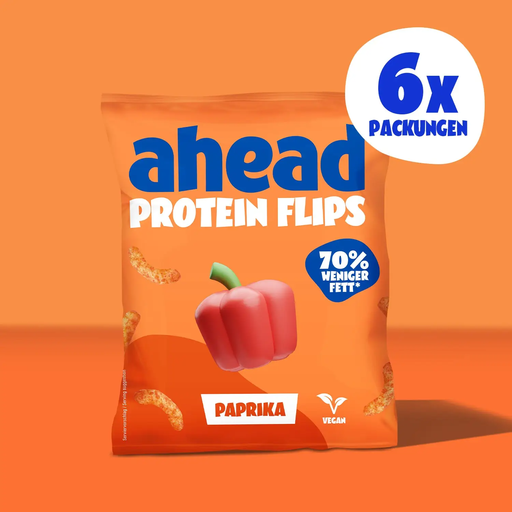
ahead Protein Flips Paprika, tray of 6 × 50 g
These paprika flips could suit your office break if you’d prefer a snack in six 50 g bags rather than a traditional mix. To assess the protein content, check the protein and energy figures, as well as the salt, on the pack.
View at Joybuy
 No image available
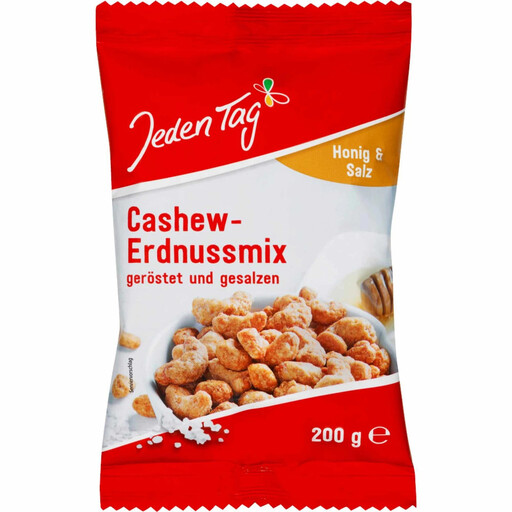
Jeden Tag Honey & Salt Cashew & Peanut Mix, 200 g
If you’d rather take a nut mix to work than protein flips, this cashew and peanut mix could be a good option. The pack contains 200 g; check the ingredients and allergens, as well as the protein and energy per 100 g, before you buy.
View at Joybuy
 No image available
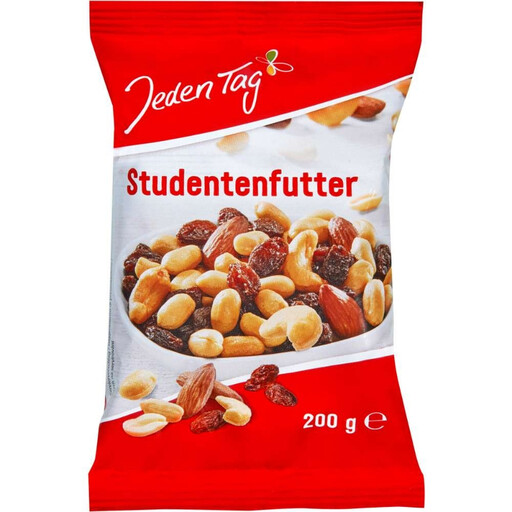
Jeden Tag Nut & Raisin Trail Mix, 200 g
If you’re looking for a nut and raisin mix for your office break, this 200 g pack comes in one bag rather than pre-portioned servings. Decide how much to take with you and check the ingredients, allergens and nutrition information on the pack.
View at Joybuy
Frequently asked questions
When is a snack considered high in protein in the EU?
For the ‘high protein’ claim, EU Regulation (EC) No 1924/2006 requires at least 20% of the energy value to come from protein. You can calculate the percentage using figures on the same 100 g basis: multiply the protein in grams by 4 kcal, then divide by the kcal per 100 g. A single protein-containing ingredient or the word ‘protein’ in the product name doesn’t answer the question.
Do I need a protein snack at the office after recreational sport?
No. Taking part in recreational sport alone doesn’t mean you need a protein snack. According to the German Nutrition Society, adults who do recreational sport don’t automatically need a higher protein intake. So choosing a snack like this shouldn’t be taken as evidence of an individual need for extra protein or a guarantee of recovery.
How do I check allergens in a snack mix?
Read the ingredients list and any ‘may contain’ warnings on the pack you’re planning to buy. Relevant allergens must be highlighted in the ingredients list; a ‘may contain’ warning indicates possible accidental presence instead. Depending on the product, the snacks considered here may contain peanuts, soya, milk, sesame and cereals containing gluten, among other ingredients.


