For a protein-focused canteen lunch, dried fruit is an addition, not your main source of protein. EDEKA lists 2.7 g of protein and 46 g of sugar per 100 g for its mixed dried fruit, while ALDI SÜD lists 2.7 g of protein and 52 g of sugar per 100 g for its dried pineapple. Choose a separate protein source for your lunch – the German Nutrition Society lists pulses, dairy products and eggs, among others – and check the portion size, ingredients and allergens on the dried fruit packaging.
Who is this selection for?
Active canteen diners prioritising protein
If you plan your lunch around exercise, you’ll need a suitable source of protein as part of the meal. Dried fruit can be a fruit component alongside it. The German Nutrition Society lists pulses, dairy products, eggs and cereal products as sources of protein, for example.
Students looking for a sweet snack that keeps well
Dried fruit can be an easy-to-carry fruit option for a day at university, but it’s no substitute for a complete, protein-focused lunch. EDEKA notes that removing the water concentrates the sugar in dried fruit.
People keeping an eye on ingredients and allergens
If you need to avoid certain ingredients, read the label on the specific pack. For example, the mixed dried fruit described by EDEKA contains sulphur dioxide; other products and recipes may differ.
What should you look for when buying?
Start by planning the source of protein for your canteen lunch. Then decide whether dried fruit would work as a sweet addition, and check which ingredients to look out for in the specific variety.
| What matters to you | What to check | Who it matters most to |
|---|
| Protein in your lunch |
Compare protein per 100 g and per planned portion; choose a separate source of protein for your lunch. |
If I’m planning my meal around exercise, I want to know where the protein is actually coming from. For around 50% of consumers, this protein base is the main priority. |
| A sweet fruit component |
Check the portion size, sugar per 100 g and any added sweetening ingredients. |
Between the canteen and lectures, I’m looking for a sweet snack that keeps well, without treating the whole pack as one portion. Around 30% of consumers value this most. |
| Ingredients and allergens |
Read the ingredients list and highlighted allergens on the specific pack, especially any information about sulphur dioxide and sulphites. |
If I need to avoid certain ingredients, the label determines what I choose. For around 20% of consumers, this check takes priority. |
Which mistakes can you avoid?
-
Relying on dried fruit as the protein source for your whole lunch
The product information from EDEKA and ALDI SÜD lists 2.7 g of protein per 100 g for each of the dried fruits considered here. These examples therefore don’t replace a separately chosen protein source in your lunch.
Choose the protein source for your meal first, then add dried fruit as a fruit component if you like.
-
Assuming ‘no added sugar’ means low in sugar
Dried fruit contains naturally occurring sugar, even when no sugar has been added. The Verbraucherzentrale (German Consumer Advice Centre) notes that dried fruit can contribute to a food’s sugar content.
Check both the ingredients list and the sugar information per 100 g, and take your planned portion into account.
-
Judging allergens from the product image
The mixed dried fruit described by EDEKA contains sulphur dioxide. EDEKA also notes that online information may differ from the details on the packaging.
If you have a relevant allergy or intolerance, check the ingredients and allergen information on the specific pack.
Brands to consider
Seeberger
Seeberger offers a range of dried fruit, including dates, mango, apricots and plums.
- The range includes unsweetened as well as sweetened or candied varieties.
- When comparing protein and sugar, the nutrition information for each variety is what matters.
EDEKA Eigenmarken
EDEKA sells dried fruit under its own labels, including Herzstücke mixed dried fruit.
- For its Herzstücke mixed dried fruit, EDEKA lists the ingredients and nutritional values: 2.7 g of protein and 46 g of sugar per 100 g.
- This mixed dried fruit contains sulphur dioxide. EDEKA notes that the information on the packaging may differ.
ALDI SÜD / FARMER NATURALS
The range includes dried fruit as well as nut and fruit mixes, which are a separate category.
- For FARMER NATURALS dried pineapple, ALDI SÜD lists 2.7 g of protein and 52 g of sugar per 100 g.
- The nutritional values for a nut and fruit mix don’t apply to dried fruit on its own.
Dried fruit as an addition to lunch
These dried fruits could work as a fruit component once you’ve chosen a separate source of protein for your canteen lunch. Compare the portion you’ll actually eat and the information on the pack, rather than relying on dried fruit as your main source of protein.
 No image available
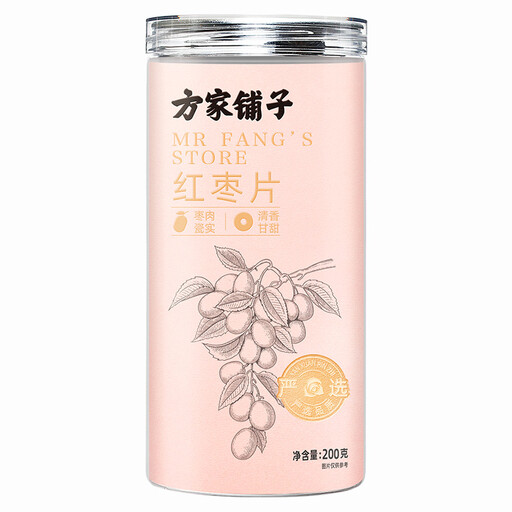
Fang Jia Puzi dried red date slices, 200 g
Suitable as a fruit accompaniment when your canteen meal includes a separately chosen source of protein.
To compare sugar content, check the nutrition information on the pack and consider your planned portion.
View on Joybuy
 No image available
Haoxiangni Grade 2 Fresh-Locked pitted red dates, Original Flavour, 280 g
A fruit component to have with your canteen lunch, not its main source of protein.
Keep the sugar content in mind when portioning. According to the product description, store in a cool, dry place after opening and use soon.
View on Joybuy
 No image available
Seeberger pitted Deglet Nour dates, 500 g
A date option to enjoy alongside a lunch with a separately chosen source of protein.
Base your portion size on the amount you actually take out of the pack; according to the product description, store in an airtight container after opening.
View on Joybuy
 No image available
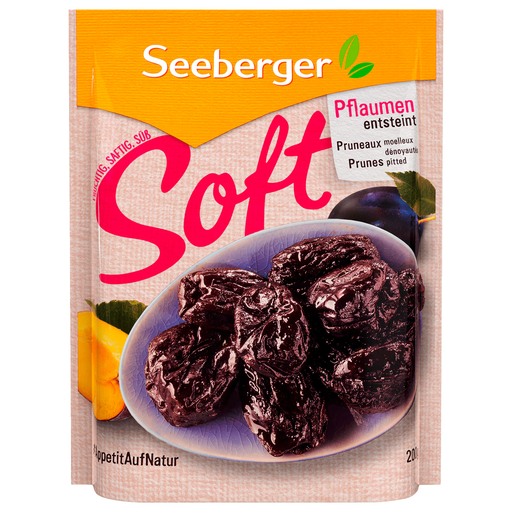
Seeberger Soft pitted prunes, 200 g
A good fruit accompaniment when your canteen lunch already includes a source of protein.
Compare your planned portion with the nutrition information and, according to the product description, reseal the pack after opening.
View on Joybuy
 No image available
Seeberger Soft dried mango slices, 100 g
A mango option to have with lunch, provided you’ve planned a separate source of protein.
According to the product information, this variety contains sodium metabisulphite. If you have a relevant allergy or intolerance, check the label on the specific pack.
View on Joybuy
Frequently asked questions
Is dried fruit enough to provide protein with a canteen lunch?
The plain dried fruits considered here aren’t suitable as your sole source of protein: EDEKA and ALDI SÜD each list 2.7 g of protein per 100 g for the products mentioned. If you want to put together a protein-focused lunch, choose a separate source of protein. The German Nutrition Society lists pulses, dairy products and eggs, among others.
Does ‘no added sugar’ mean dried fruit is low in sugar?
No. Dried fruit contains naturally occurring sugar, even without added sugar. The Verbraucherzentrale (German Consumer Advice Centre) notes its contribution to a food’s sugar content, so check the sugar per 100 g as well as the ingredients list, and relate the figures to your portion.
What should I check when buying sulphured dried fruit?
If you have a relevant allergy or intolerance, check the ingredients and allergen information on the specific pack. The mixed dried fruit described by EDEKA contains sulphur dioxide; information for another product or an older pack isn’t a substitute for checking the one you have.


