For a protein-focused snack on your train journey, compare the protein per 100 g and your planned portion rather than relying on the word ‘protein’ alone. Two examples listed by REWE are the Kluth Fit Food Protein Mix with soya beans, which contains 32 g of protein per 100 g, and the Verival Bio Nuss-Mix, which contains 19 g; these figures apply only to the specific mixes. Also check the ingredients and allergens, salt and energy content before choosing a pack for your journey.
Which snack is right for you?
Travellers who prioritise protein
If you’d like to take a snack with you for your train journey after exercise, compare the protein per 100 g in different mixes. The Kluth Fit Food Protein Mix listed by REWE contains 32 g of protein per 100 g, as well as soya, peanuts and tree nuts. This figure and these ingredients apply to this specific mix, not to all nut products.
Travellers who prefer a plain nut mix
If you’d rather avoid dried fruit or added salt, check the exact variety. Seeberger describes its nut kernel mix as containing no raisins and no added salt according to the recipe. When comparing protein, always use the nutritional information on the pack you’ve chosen.
Travellers keeping an eye on nutrition and portion size
If you’re choosing a snack for more than just its protein content, compare the energy and salt per 100 g too, and decide how much of the pack you plan to eat on your journey. The German Federal Centre for Nutrition points out that nuts can be high in energy as well as protein.
What should you look for when shopping?
Start by checking the ingredients and allergen information. Then compare the nutritional values per 100 g and choose a pack or portion that suits your journey.
| Criteria |
What to check before you buy |
Who it matters most to |
| Protein content |
Compare the protein per 100 g and pack weight; check the ingredients in the mix too. |
After exercise, I want to choose a snack for my journey with protein as my main priority. This need comes first for around 38% of consumers. |
| Ingredients and allergens |
Read the ingredients list and allergen information on the specific pack; nut mixes may also contain peanuts or soya. |
If I can’t tolerate certain ingredients, the mix needs to suit my requirements, whatever its protein content. This check takes priority for around 23% of consumers. |
| Portion for your journey |
Match the pack size to the amount you plan to eat; if needed, portion some out before you set off. |
On a train journey, I want to take an amount that’s easy to manage, without planning to eat the whole pack in one sitting. This is the main concern for around 23% of consumers. |
| Salt and energy |
Compare the salt and energy per 100 g, and consider how they relate to your planned portion. |
When packing a snack, I want to keep an eye on salt and energy content as well as protein. This is the main criterion for around 16% of consumers. |
Which buying decisions deserve a second look?
-
Assuming ‘protein’ on the label tells you how much protein is in your portion
The information on the front of the pack is no substitute for checking the nutrition table. The protein per 100 g and the portion size both matter when working out how much protein you’ll actually eat.
Compare nutritional information on the same basis, and think about how much of the pack you plan to eat on your journey.
-
Assuming a nut mix is a low-allergen choice
A mix of tree nuts may also contain peanuts, while protein-focused varieties may include soya. The product name alone doesn’t tell you enough.
If you have allergies, check the ingredients and allergen information on the specific pack, including any precautionary ‘may contain’ warnings that are relevant to you.
-
Overlooking salt and energy when comparing protein
The examples listed by REWE differ in these values: the Kluth Fit Food Protein Mix contains 560 kcal and 0.4 g of salt per 100 g, while the Verival Bio Nuss-Mix contains 633 kcal and 0.05 g of salt per 100 g. These figures don’t provide a general assessment of other products.
Read all the nutritional information that matters to you for the same product variety, and consider it in relation to your planned portion.
-
Assuming online information matches the pack in store
EDEKA notes that online information for some products may differ from the packaging, and that a product may not be available in every store.
If you’re shopping in store before setting off, check the pack on offer there, especially for ingredients, allergens and nutritional information.
Useful brands to help guide your choice
These examples show a range of mixes and ways to shop. Ingredient and nutritional information refers to the specific product variety named, not the brand’s entire range.
Kluth
The Fit Food Protein Mix listed by REWE combines roasted, salted soya beans with peanuts, almonds and walnuts.
- REWE lists 32 g of protein per 100 g for this 150-g mix.
- It contains soya, peanuts and tree nuts; it also provides 560 kcal and 0.4 g of salt per 100 g.
Seeberger
The nut kernel mix is an option for travellers looking for nuts without raisins.
- Seeberger describes this variety as having no added sugar and no added salt according to the recipe.
- For protein comparisons and if you have allergies, check the nutritional information, ingredients and precautionary allergen information on the pack you’ve chosen.
Verival
The Bio Nuss-Mix listed by REWE is a specific example you can use when comparing nut mixes.
- For this variety, REWE lists 19 g of protein and 0.05 g of salt per 100 g.
- The mix contains several types of tree nuts and provides 633 kcal per 100 g.
Alesto
Lidl’s Alesto range includes nuts, dried fruit and snacks.
- When shopping at a Lidl store, you can compare the nut varieties available there using the information on their packs.
- To make a protein-focused choice, check the nutritional information and ingredients for the specific variety.
EDEKA / GUT&GÜNSTIG
EDEKA lists a range of products, including nut kernel mixes and roasted, salted nut mixes.
- The ingredient information for individual products can help you identify nuts, peanuts and other ingredients.
- EDEKA notes that some products may not be available in every store, and that online information may differ from the packaging.
Joybuy products for your train journey
This selection includes nut mixes, a seed and kernel mix, and individually portioned protein bars. If you’re specifically looking for nuts rather than a bar, check the product type. For protein comparisons and if you have allergies, the information on each individual pack is what matters.
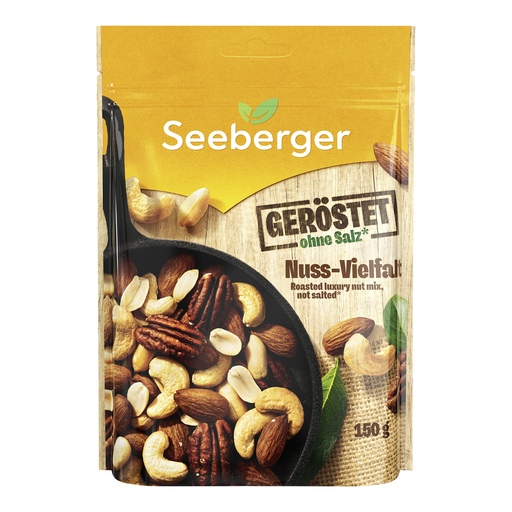 Image unavailable
Seeberger Roasted Nut Selection 150 g
A roasted nut mix to take on your train journey if you’d prefer a 150-g pack.
Compare the nutritional information on the pack with your planned portion, and check the ingredients if you have allergies.
View at Joybuy
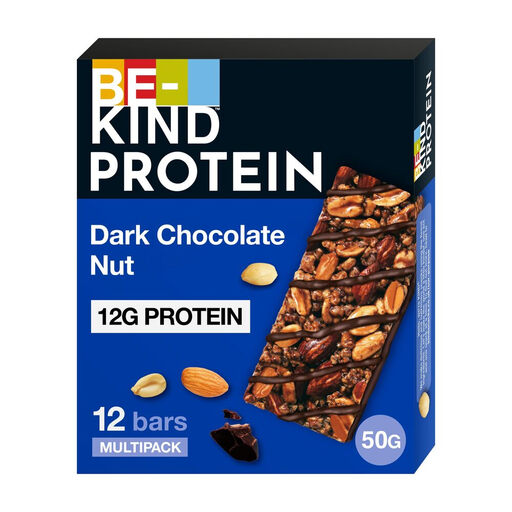 Image unavailable
BE-KIND Protein Dark Chocolate Nut 12 × 50 g RG
A protein bar with nuts rather than a loose nut mix, if you’d like to take individual 50-g bars on your journey.
The pack contains 12 bars. Check the ingredients and allergen information before buying.
View at Joybuy
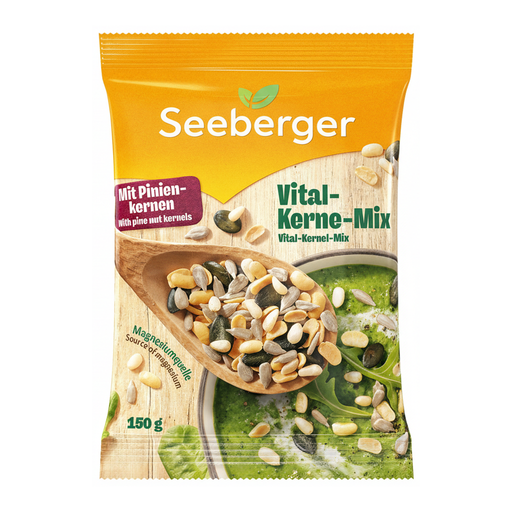 Image unavailable
Seeberger Vital Salad Seed & Kernel Mix 150 g
A seed and kernel mix for travellers considering this type of product alongside nut mixes.
The pack size is 150 g. Check the ingredients and allergen information on the specific pack before eating.
View at Joybuy
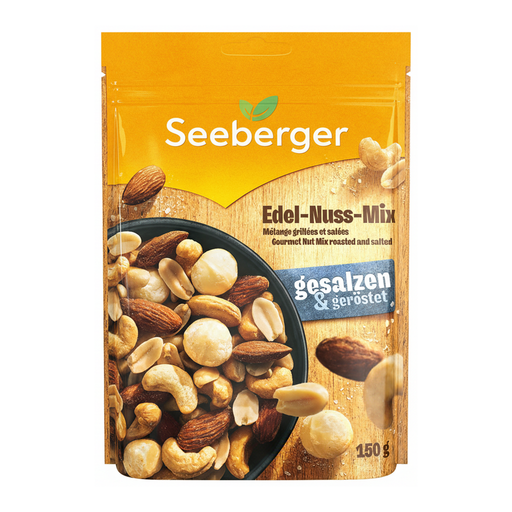 Image unavailable
Seeberger Roasted & Salted Premium Nut Mix 150 g
A roasted and salted nut mix for your journey if that’s how you prefer your nuts.
The pack contains 150 g. Consider the salt content in relation to your planned portion, and check the allergen information.
View at Joybuy
 Image unavailable
BE-KIND Protein Caramel Nut 12 × 50 g
A nut protein bar for travellers who’d prefer an individually portioned snack to a nut mix.
The pack contains 12 bars, each weighing 50 g. To check the protein in your portion, refer to the information on the specific pack, and check the ingredients and allergens.
View at Joybuy
Frequently asked questions
How do I compare the protein content of two nut snacks?
First compare the grams of protein per 100 g, then consider how much you actually plan to eat on your journey. If the packs are different sizes, the per-100-g figure tells you more about protein content than comparing the total contents of each pack.
Can a nut mix replace a meal after exercise?
A nut mix isn’t a complete meal just because it contains protein. The German Federal Centre for Nutrition describes nuts as a source of protein, but also as high in energy, and lists a variety of food groups as sources of plant protein. So, if you have a longer journey ahead, consider whether you’ll need other food as well as your snack.
What should I check before boarding if I have an allergy?
Read the ingredients, highlighted allergens and any precautionary information about traces that’s relevant to you on the specific pack. Depending on the mix, it may contain tree nuts, peanuts or soya; the name ‘nut mix’ alone isn’t enough to help you decide.
Can I count on a particular snack being available on the train?
If you need a particular snack, it’s best to bring it with you before you travel rather than rely on a specific option being available on board. Deutsche Bahn describes its digital menu as an overview of the food and drinks currently available on board. Check it for your journey if you’d like to pick up anything while travelling.


