If protein matters more to you than popcorn for your BackWerk lunch, don’t decide based on the word ‘protein’ in a product name. Compare the protein and energy content of the portion you’ll actually eat. Under EU Regulation (EC) No 1924/2006, a product must get at least 20% of its energy from protein to be labelled ‘high protein’. Whether popcorn or another lunch option is right for you also depends on what your branch offers, the portion size and the ingredients.
Who is this choice relevant to?
People who prioritise protein
If you’re choosing something to go with lunch on an active day, the protein in the portion you actually buy is more useful than a buzzword on the packaging. The German Nutrition Society says that healthy adults who exercise for no more than five hours a week do not have a higher protein requirement simply because of their activity.
Popcorn fans keeping an eye on nutrition
If popcorn itself matters to you, compare protein, sugar, fibre and portion size separately. More Nutrition lists 10 g of protein and 15 g of fibre per 100 g for Chunky Popcorn; the protein figure alone does not prove that it meets the EU definition of a high-protein food.
People popping into BackWerk
If you’re grabbing lunch without planning ahead, what matters is what your particular branch has to offer. Before buying, check the portion size and, if needed, the latest ingredients and allergen information.
What should you look for when buying?
First decide whether popcorn as a snack or a protein-focused lunch option is your priority. Then compare the nutritional values for the portion and check what’s available locally.
| Criteria |
What to check |
Who it matters to |
| High protein |
Compare protein and energy content using the same reference amount. EU Regulation (EC) No 1924/2006 requires at least 20% of energy to come from protein for a product to be labelled ‘high protein’. |
If protein is my main priority, I want to be able to assess the claim against the nutritional information; around 50% of consumers put this need first. |
| Lunch portion available locally |
Check what the branch offers and the portion size; assess protein per 100 g alongside the product’s weight as sold. |
For a spontaneous lunch, I need an available portion rather than a product I’ve only seen online. Around 30% of consumers prioritise this need. |
| Popcorn and other nutritional values |
Compare sugar and fibre separately from protein, and check the pack size. |
If I mainly want popcorn, I’m also interested in its sugar and fibre content. Around 20% of consumers put this ahead of the protein content. |
Common selection mistakes
-
Assuming ‘protein’ in the name means it’s high in protein
For the EU ‘high protein’ claim, it’s the proportion of energy from protein that counts, not just the number of grams per 100 g. More Nutrition lists 10 g of protein and 396 kcal per 100 g for Chunky Popcorn; this works out at around 10% of energy from protein.
Compare the protein and energy content using the same reference amount before assessing a related claim on the packaging.
-
Confusing a snack portion with a lunch
The protein figure per 100 g doesn’t tell you how much protein is in the portion you buy. Choosing popcorn as a snack and choosing another option to go with lunch are two different decisions.
If protein is a deciding factor, check the portion weight and work out how much protein the portion contains.
-
Assuming the online range reflects what’s in store
BackWerk’s online range doesn’t guarantee that a particular snack will be available at your branch.
Before buying, check what’s actually on offer and the product’s current labelling.
-
Looking only at protein when considering alternatives
An alternative to popcorn may contain different ingredients and allergens. For Pane Ei, BackWerk lists wheat, rye, sesame, oats, egg, mustard and barley, among other ingredients.
For packaged snacks, compare the salt content too; if you have allergies, always check the current labelling on the specific product.
Relevant brands and suppliers
BackWerk
A place to buy lunch on the spot. BackWerk publishes nutritional and allergen information for individual products.
- For Pane Ei, BackWerk lists a selling weight of 232 g and 6,1 g of protein per 100 g.
- The online range doesn’t guarantee what a particular branch will have; Pane Ei isn’t popcorn.
More Nutrition
A popcorn option for people who want to consider fibre as well as protein.
- More Nutrition lists 10 g of protein and 15 g of fibre per 100 g for Chunky Popcorn.
- At the same time, the listed 396 kcal per 100 g works out at around 10% of energy from protein. This falls short of the threshold for the ‘high protein’ claim under EU Regulation (EC) No 1924/2006.
funny-frisch
A crunchy packaged alternative if popcorn isn’t essential.
- funny-frisch lists 21 g of protein per 100 g for Protein Chips Barbecue Style.
- Protein Chips aren’t popcorn. When making your choice, compare the other nutritional and ingredient information on the pack too.
REWE
A place to buy packaged popcorn outside a visit to BackWerk.
- At REWE, you can compare popcorn products using the information on each pack.
- When choosing a specific product, its nutritional values and availability at your local shop are what count.
A crunchy snack alternative at Joybuy
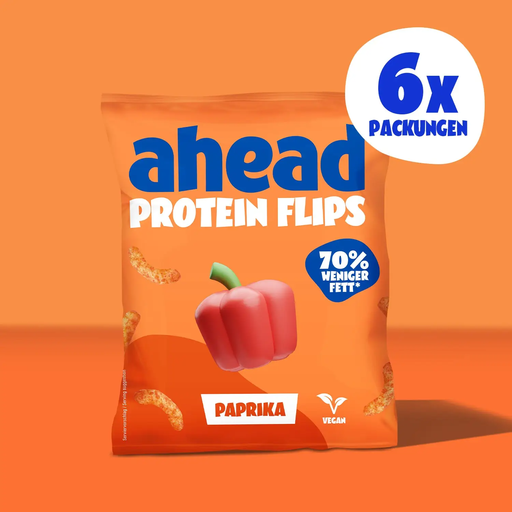
If popcorn isn’t essential, other crunchy snacks could also work for eating on the go. The protein flips below aren’t popcorn, so check the nutritional information on the pack when comparing protein.
 No image available
ahead Protein Flips Paprika, tray of 6 × 50 g
A crunchy snack alternative if you don’t want to stick to popcorn for lunch.
Protein flips with a paprika flavour, in a tray of six 50 g packs. The nutritional information on the specific pack is what matters when comparing protein.
View at Joybuy
Frequently asked questions
When can a food be labelled ‘high protein’?
Under EU Regulation (EC) No 1924/2006, this claim is only permitted if at least 20% of the food’s energy comes from protein. The amount of protein in grams alone isn’t enough to assess this claim.
Do I automatically need protein popcorn because I exercise?
No. Physical activity alone doesn’t mean you need protein popcorn. In its 2020 position paper, the German Nutrition Society says that healthy adults who exercise for no more than five hours a week don’t have a higher protein requirement than the reference amount.
Which allergens does BackWerk list for Pane Ei?
For Pane Ei, BackWerk lists wheat, rye, sesame, oats, egg, mustard and barley. If you need to avoid allergens, check the current labelling on the specific product before buying.


