People training with a planned protein intake
You want to know how much protein the portion you eat contributes to your daily plan. The portion size is a more useful guide than a prominent claim on the front of the pack.


Protein popcorn could be a good choice for a football night if you want a ready-to-eat snack in one pack and the protein in the portion you actually eat fits your plans. If you’d rather portion the popcorn and a protein option separately, you can pair regular popcorn with a separate side. The German Nutrition Society notes that healthy adults who do no more than five hours of sport a week don’t have an increased protein requirement, so a protein claim alone isn’t a reason to switch snacks.
You want to know how much protein the portion you eat contributes to your daily plan. The portion size is a more useful guide than a prominent claim on the front of the pack.
For watching football, you want a snack that’s quick to serve and easy to share. Whether ready-to-eat or microwave popcorn is a better fit for the evening also depends on what preparation options you have available.
Alongside protein, you compare ingredients, declared allergens and other nutritional values. For a fortified snack, the information on the specific pack is what matters.
First decide whether you want a snack from a single pack or would prefer to portion the popcorn and a side separately. Then compare the nutritional information for the specific products.
A good fit if: You want popcorn and the stated amount of protein in one ready-to-eat product.
Things to consider: The stated portion size and other nutritional values need to suit the specific product. Check whether it’s available from your retailer, too.
A good fit if: You want to choose your popcorn portion independently of the side. For example, REWE lists popcorn as well as separate products such as skyr, low-fat quark and cottage cheese in its online ranges.
Things to consider: You’ll be combining two foods and deciding on the portion size of each yourself.
| Criteria | What to check when buying | Who it matters most to |
|---|---|---|
| Protein content | Protein per 100 g and in the amount you’ll actually eat; if you’re planning your daily intake, also take your training volume into account. | If I’m planning my protein intake for training or recovery, I want to understand how much the snack contributes. Around 33% of consumers put this predictable contribution first. |
| Preparation | Ready-to-eat or microwave preparation; pack size and availability from your preferred retailer. | When sharing snacks, I don’t want to spend ages in the kitchen or miss part of the match. Around 25% of consumers prioritise having snacks ready easily. |
| Ingredients and nutritional values | Nutritional information per 100 g, ingredients list and declared allergens for the specific pack. | If I need to keep an eye on ingredients or allergens, the protein figure alone isn’t enough. Ingredients and other nutritional values are the most important selection criteria for around 25% of consumers. |
| Planning your snacks | Pack size and protein per planned portion; if you’re combining two foods, take both into account. | I want to have only as much ready for football as my group is likely to eat. Around 17% of consumers prioritise being able to plan their snack combination. |
Information per 100 g doesn’t tell you how much protein is in your portion. Additional portion information can help, but portion sizes aren’t the same for every product.
First compare the values per 100 g, then apply them to the amount you actually plan to eat.
The protein figure tells you nothing about the ingredients or the amounts of sugar, fat or salt. According to the German Food Federation, these nutritional values are listed on the nutrition label of packaged foods, while relevant allergens are identified in the ingredients list.
Read the nutritional information and ingredients list on the current pack, especially if you need to avoid allergens.
A product you find online might not be available from your preferred retailer. This matters especially if your snack plans depend on that exact option.
Before buying, check the specific listing and compare the pack size, ingredients and nutritional values with your requirements.
A place to start if you want to put together popcorn and a separate protein side from the same online range.
One option for finding a ready-to-eat protein side to have with popcorn.
A brand of classic microwave popcorn if quick preparation matters more than a specific protein boost.
These Joybuy products are bars or a protein bite to pair with popcorn you choose separately. They aren’t popcorn themselves, so compare the nutritional information and ingredients on each pack for your portion.
 No image available
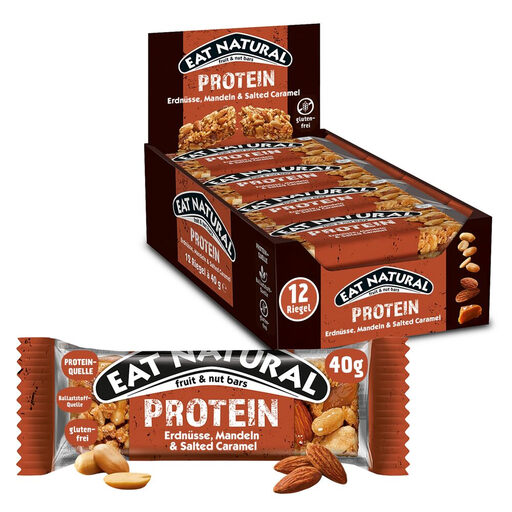
A bar to serve as a separate side if you want something alongside your popcorn.
The product name specifies twelve 40 g bars. Check the protein content and allergens on the pack.
 No image available
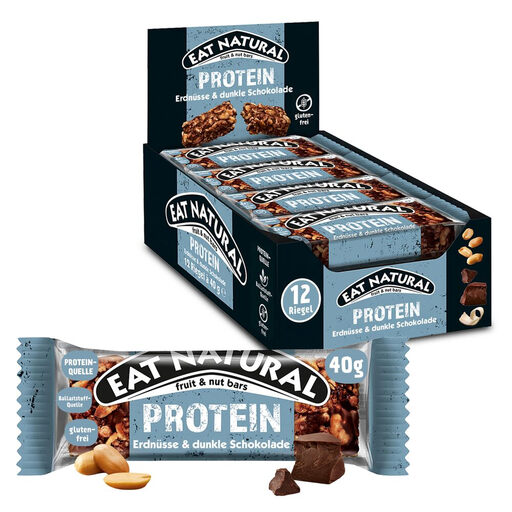
A separate bar option if you want to choose your popcorn portion and side independently.
The product name specifies twelve 40 g bars. For comparison, check the nutritional information and allergen labelling on the specific pack.
 No image available
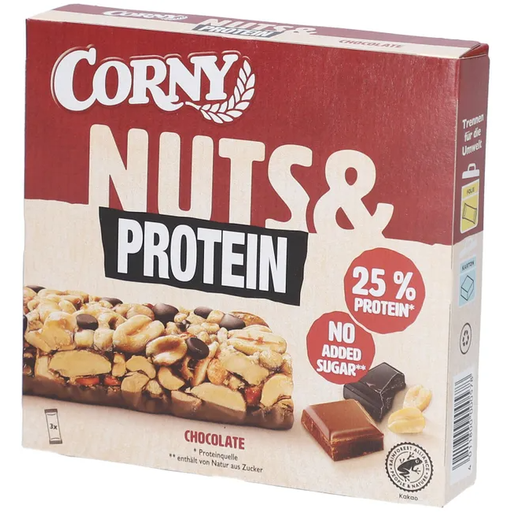
This bar can be portioned separately as a side to popcorn; the word ‘corn’ in the product name doesn’t make it popcorn.
The product name specifies three 35 g bars. Compare the protein and other nutritional values using the information on the pack.
 No image available
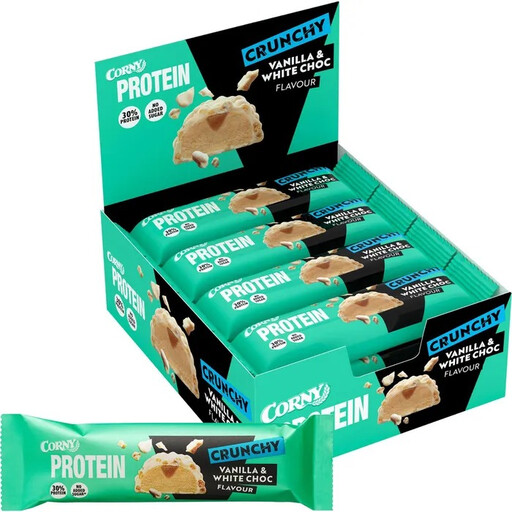
A bar for pairing popcorn with a separately chosen side.
The product name specifies twelve 45 g bars. The product information gives conflicting details about gluten and wheat; if you need to avoid gluten, check the labelling on the specific pack before buying.
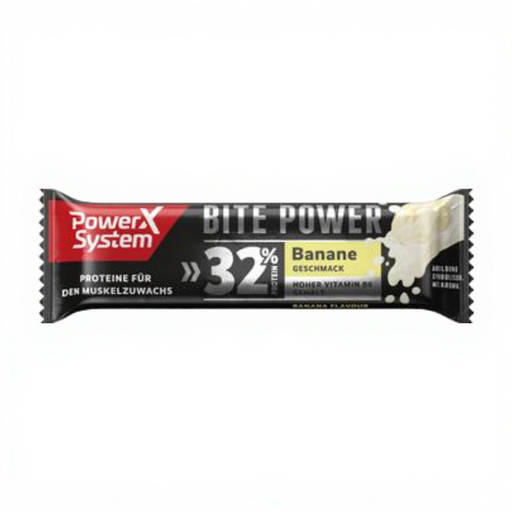 No image available
A protein bite to enjoy as a snack alongside popcorn, rather than a popcorn alternative with the same recipe.
The product name specifies 35 g. Before choosing it, check the full nutritional information on the pack, particularly sugar, fat and salt.
No, the type of product alone doesn’t determine that. According to the German Nutrition Society, healthy adults who do no more than five hours of sport a week don’t have an increased protein requirement. If you train more, your overall protein intake needs to be considered in relation to the amount and type of training and your goals, rather than focusing on a single snack.
First compare the nutritional values per 100 g for both specific products, then compare the amounts you actually plan to eat. Look beyond protein to energy, sugar, fat and salt, too. Portion information can also help if it’s clear what the stated portion refers to.
Only plan around a specific product once you’ve checked its listing with your preferred retailer. An Amazon.de listing for Up Energy Protein Popcorn described it as unavailable. That doesn’t tell us whether it’s available now, or whether other protein popcorn products are generally unavailable.
Check the ingredients list and allergen labelling on the specific pack. The German Food Federation explains that the 14 major allergens are identified in the ingredients list. Don’t rely on product names or older images when making your choice.