Students focused on protein after a workout
You want to know how much protein the foods you choose contribute to dinner, rather than relying on the word ‘protein’ on a pack.


For a protein-focused student dinner, ordinary popcorn works better as a crunchy side than as your sole source of protein. If you want to eat popcorn, check the nutritional information on the pack you choose and plan a separate source of protein. If you’re mainly looking for a ready-to-eat snack, you could also consider a different product category.
You want to know how much protein the foods you choose contribute to dinner, rather than relying on the word ‘protein’ on a pack.
You choose between a microwave bag and loose popcorn kernels based on what you can prepare with the equipment you have.
A crunchy snack with a stated protein content matters more to you than choosing popcorn specifically. That means other types of snack are also an option.
First, decide whether popcorn is going to be part of your dinner or whether you’re really looking for a ready-to-eat snack. Then compare the nutritional information and check what you can prepare in your kitchen.
| Criterion | What to check | Who it matters to |
|---|---|---|
| Protein content | Compare protein and energy values per 100 g; don’t assume a product is ‘high in protein’ based on the grams of protein alone. | If protein is my main priority at dinner, I want to be able to interpret the information on the pack. Around 36% of consumers are likely to put this check first. |
| Role in the meal | Think of popcorn as one part of the meal, and assess your other source of protein and planned portions separately. | I want to have popcorn with dinner without treating a snack as the whole meal. This combination is likely to be a priority for around 29% of consumers. |
| Preparation | For microwave popcorn, follow the bag instructions and check the wattage; for loose kernels, check the recommended preparation method. | If you have limited kitchen equipment, the preparation method needs to suit the appliances you have. This is likely to be the most important buying criterion for around 21% of consumers. |
| Flavour and product type | Compare the ingredients, salt and fat on the pack, and decide between popcorn and other savoury snacks. | If flavour or a particular type of snack matters more to me, I want to make a conscious choice to switch categories. Around 14% of consumers are likely to focus on this. |
Under Regulation (EC) No 1924/2006, a product can only be described as ‘high in protein’ if at least 20% of its energy value comes from protein. The number of grams alone doesn’t answer this question.
Compare protein and energy values using the same basis, such as per 100 g, and check the specific nutritional information.
Popcorn can contribute protein, but the product category alone doesn’t tell you how much a real serving contributes to your planned meal.
Decide what role you want popcorn to play on your plate, then choose a separate source of protein. ALDI SÜD, for example, lists lentils, beans and chickpeas as plant-based sources of protein.
For its salted microwave popcorn, EDEKA lists 2.5 g of salt and 21 g of fat per 100 g. Values for other products should be checked separately.
As well as the cooking instructions, check the nutritional information per 100 g and the recommended serving size.
EDEKA points out that information on product pages may differ from the packaging.
For the specific pack, check the ingredients, allergens and nutritional information in particular.
REWE offers examples of loose popcorn kernels and microwave popcorn. Its range illustrates the choice between preparing popcorn yourself and using a microwave bag.
The salted microwave popcorn is an example of a popcorn option whose protein, salt and fat content can all be compared.
The Protein Chips are an alternative for anyone looking for a crunchy snack who isn’t set on popcorn.
Here, popcorn kernels for you to prepare yourself sit alongside Flips as an alternative type of snack. For a protein-focused dinner, deciding what else to include in the meal is still up to you.
 No image available
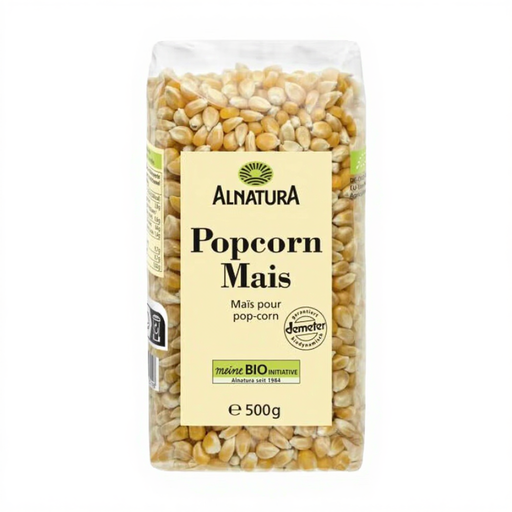
Popcorn kernels for anyone who wants to make popcorn themselves and serve it as part of dinner. Before you start, check what equipment and ingredients you’ll need.
 No image available
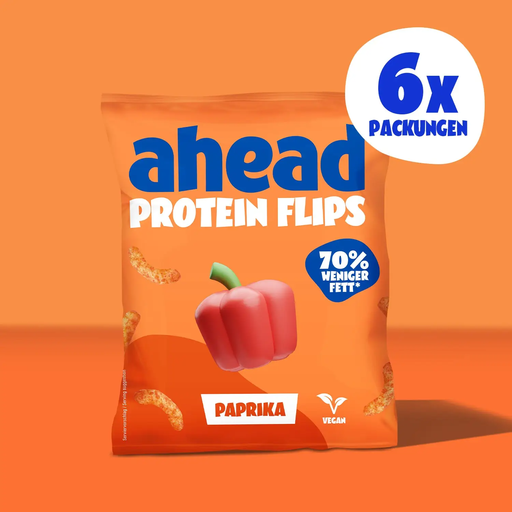
An option if you’d prefer Flips as a savoury snack instead of popcorn. The name ‘Protein Flips’ doesn’t replace checking the nutritional information or planning the rest of your dinner.
Under Regulation (EC) No 1924/2006, this claim is permitted if at least 20% of the product’s energy value comes from protein. So compare protein and energy values using the same basis; grams of protein per 100 g alone aren’t enough to make this assessment.
You shouldn’t plan on ordinary microwave popcorn as your only source of protein just because of its product type. REWE lists 8 g of protein and 364 kcal per 100 g for Seeberger salted microwave popcorn; that means around 8.8% of its energy value comes from protein. Assess the serving you plan to eat and the other parts of your dinner separately.
Follow the instructions on the specific bag and take your microwave’s power rating into account. Open the hot bag so that the escaping steam is directed away from you.
Check the label on the pack you actually receive. EDEKA points out that the information on its product pages may differ from what’s on the packaging.