What should you look for when buying?
First, decide whether you want popcorn to share or whether the protein content of the snack itself is your main priority. Then compare preparation methods, portion sizes and the full nutritional information.
| What to consider |
What to check when buying |
Who it matters to |
| Protein content |
Compare protein per 100 g and per planned portion; consider popcorn and other snack categories separately. |
If I want my snack itself to make a noticeable contribution to my planned protein intake, seeing the word ‘protein’ on the front of the pack isn’t enough. Around 36% of consumers prioritise this protein comparison. |
| Preparation |
Consider whether you have a microwave or a saucepan with a lid; follow the pack instructions for bagged popcorn. |
In a newly rented shared house, I want to make something to snack on without needing lots of kitchen equipment or washing up. Around 29% of consumers prioritise easy preparation. |
| Quantity and seasoning |
Check the pack size against the number of people you’re catering for; choose between ready-seasoned popcorn and kernels you season yourself. |
For a film night, I want to divide the quantity between several people and be able to adjust the sweetness or saltiness myself. Around 21% of consumers give this need top priority. |
| Ingredients and nutritional information |
Check the sugar, fat and salt per 100 g, as well as the ingredients and allergen information on the specific pack. |
If several people with different preferences or intolerances are sharing the snack, the option you choose needs to suit the group. That’s why around 14% of consumers check the ingredients and other nutritional values first. |
A savoury snack alternative at Joybuy
This selection features a portioned savoury snack alternative for your shared house, not popcorn. Before choosing this snack, check the latest nutritional information and ingredients on the pack.
 No image available
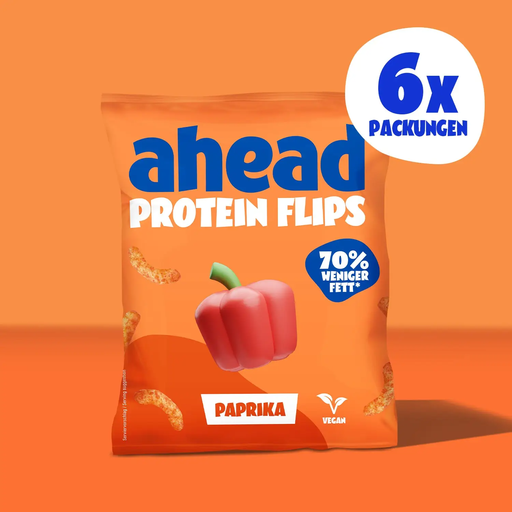
ahead Protein Flips Paprika, tray of 6 × 50 g
An alternative to popcorn if you’re looking for individually packed savoury snacks for your shared house.
According to the product name, the tray contains six 50 g bags. To check the planned protein contribution, as well as the salt and allergen information, refer to the current pack.
View at Joybuy
Frequently asked questions
Is ordinary popcorn automatically a high-protein snack?
No, you can’t tell from the product category alone. EDEKA lists 7.7 and 8.1 g of protein per 100 g for two microwave popcorn varieties. Your choice also depends on the size of the portion you eat and what else you have with it.
Popcorn or Protein Chips: which is better for a house-share evening?
If you want to share popcorn and season it yourselves, popcorn kernels are a good option. If the protein content of the snack itself is your main priority, compare specific alternatives. funny-frisch lists 21 g of protein per 100 g for its Protein Chips, along with 15 g of fat and 1.7 g of salt per 100 g. The chips aren’t popcorn.
Do you always need a high-protein snack for recreational exercise?
No, exercising doesn’t automatically mean you need a snack like this. The German Nutrition Society says that adults doing recreational sport don’t generally need a higher protein intake. You can’t tell whether a particular snack suits your diet just from its label.
How can you make popcorn without a popcorn maker?
You can make popcorn kernels in a saucepan with a lid; REWE recommends using oil and salt or sugar. Lidl also describes methods using a microwave and air fryer. Check that your appliance and container are suitable for the method you choose, and follow the pack instructions for ready-to-pop bags.
Is a vegan label enough when checking ingredients for everyone?
No, check the specific pack for allergens and any other ingredients you want to avoid. A sweet Seeberger microwave popcorn listed by REWE is labelled vegan, whereas EDEKA’s cream caramel popcorn contains milk ingredients. What’s true of one variety won’t necessarily apply to other popcorn products.


