
Lieferung heute & morgen

Qualitätsgarantie

Willkommens-Angebote freischalten: KOSTENLOSE Lieferung | Bis zu 80 % RABATT | Kostenlose 30-Tage-JoyPlus-Testphase
App herunterladen
Anyone deciding to buy protein powder faces a vast selection. The promises on the packaging are often bold, but not every product delivers. Many fitness enthusiasts and health-conscious individuals invest in powders that fail to optimally support their goals. This guide is designed to help you navigate the most common pitfalls and make an informed decision.
Marketing claims can be misleading. Pay close attention to these three points to avoid making a bad purchase:
To find the right product, you should focus on objective criteria. These three parameters are crucial:
The type of protein determines how quickly it is absorbed by the body and what purpose it is best suited for.
Always analyse the nutrition facts panel based on a single serving (e.g., 30 g of powder). Look for the following values:
A short and clear ingredient list is often a sign of quality. Check for allergens like milk (lactose), soy, or gluten. Good solubility in water or milk without clumping also indicates high product quality.
Based on the criteria mentioned, we have selected a few products for different needs and goals.
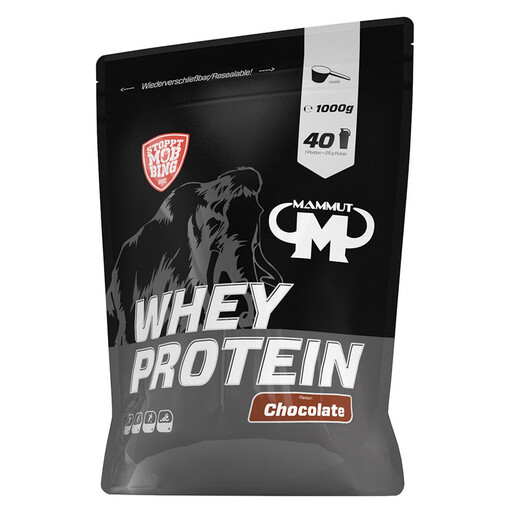
Why This Fits Their Persona: Ideal for athletes looking for a solid, entry-level protein powder with a great price-performance ratio. It focuses on the essentials: a reliable supply of whey protein after a workout.
This product relies on a pure whey concentrate. The ingredient list is transparent and avoids undefined "blends," so you know exactly what you're getting.
Delivers 27 g of protein per serving (when prepared with milk), according to the manufacturer. Its good solubility and classic taste make it a straightforward choice for daily use.
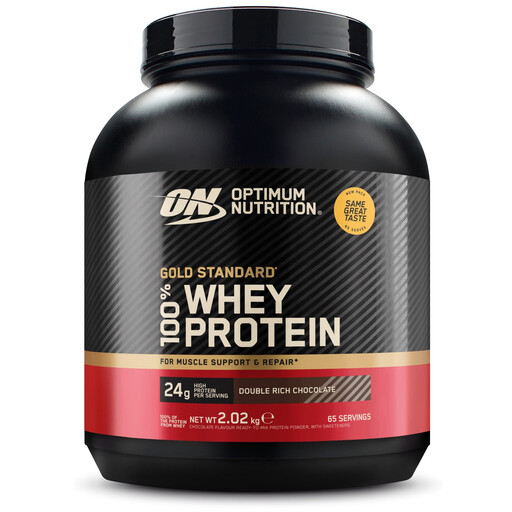
Why This Fits Their Persona: For ambitious athletes who value maximum purity and efficiency. Perfect for a low-fat, low-sugar diet to support lean muscle growth.
This product avoids the "filler trap." With whey isolate as its main ingredient, it offers a high protein content with minimal carbohydrates and fats. The sugar content is only about 1 g per serving.
Delivers 24 g of protein and 5.5 g of naturally occurring BCAAs per serving. The blend of isolate, concentrate, and hydrolysate ensures both rapid and sustained nutrient delivery.
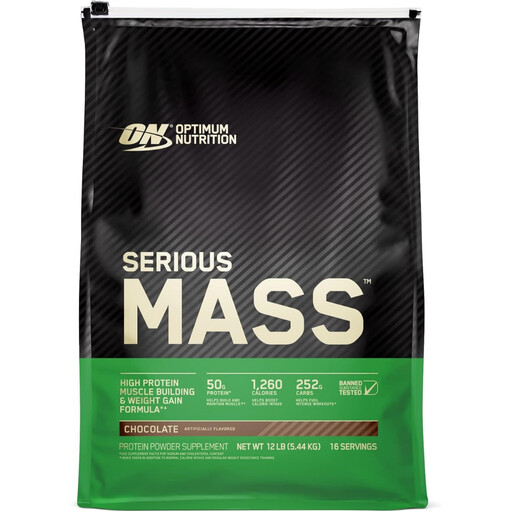
Why This Fits Their Persona: Specifically designed for "hardgainers"—individuals who struggle to put on weight and muscle mass. This product delivers a high density of calories, protein, and carbohydrates.
This is a classic weight gainer, not a pure protein powder. It avoids the "hidden filler" trap by being openly positioned as a high-calorie product for mass building. It is unsuitable for a diet.
Delivers over 1,250 kcal and 50 g of protein per serving. The formula also includes creatine, vitamins, and minerals to support intense training and weight gain.
We have compiled a complete, real-time updated list of products that fully meet these strict selection criteria and German regulations.
A post-workout protein shake is most effective when consumed within 30 to 60 minutes after exercise. During this so-called "anabolic window," the body's ability to use nutrients for muscle repair and growth is heightened. A fast-digesting whey protein is an excellent choice for this purpose.
No. Protein powder is a supplement, not a magic bullet. Proteins are the building blocks for muscle, but the stimulus for growth (hypertrophy) must come from targeted strength training. Without training, an increased protein intake will not lead to significant muscle building with protein powder.
A high-quality vegan protein powder is characterised by a combination of multiple plant-based protein sources (e.g., pea, rice, hemp). This ensures that all essential amino acids are present in a balanced ratio (high biological value). Also, look for low sugar content and good solubility, as plant-based proteins can naturally have a grittier texture. Products like Nutri+ VHEYpresso, for example, combine soy and pea protein.