
Lieferung heute & morgen

Qualitätsgarantie

Willkommens-Angebote freischalten: KOSTENLOSE Lieferung | Bis zu 80 % RABATT | Kostenlose 30-Tage-JoyPlus-Testphase
App herunterladen
As a Joybuy Product Recommendation Officer, I analyse the nutritional supplement market to offer you objective and practical guidance. The market for protein powder is crowded and full of marketing promises. Many products don't deliver on their claims, leading to disappointment or unnecessary expense. This guide will help you recognise the common pitfalls and make an informed decision.
Before you invest, you should be aware of the most common marketing traps that often lead to a bad purchase.
To find the right protein powder for your needs, you should check three core aspects. These will help you objectively evaluate product quality.
The type of protein determines how quickly it's absorbed by the body and what it's best suited for.
The nutrition label is your most important tool. Pay attention not only to the protein content per serving but also to the amount of carbohydrates and sugar.
A good protein powder should dissolve in water or milk without clumps. Solubility depends on the quality of the raw materials and the manufacturing process. Products with isolate or hydrolysate tend to dissolve better. Also, consider how you plan to use the powder: just for shakes, or also for baking or in porridge? Some products are better suited for this than others.
Here are some product recommendations tailored to different user profiles and their specific requirements.
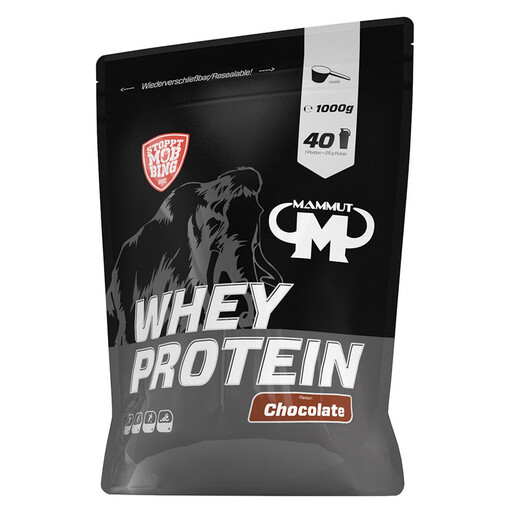
Why This Fits Their Persona: Ideal for athletes looking for a solid, straightforward whey protein concentrate. The 1 kg package offers great value for a regular post-workout supply.
The product focuses on a single, proven protein source (whey concentrate) and avoids exaggerated marketing terms or expensive, complex blends.
Delivers a solid 27g of protein per serving (when prepared with milk) and is known for its good solubility. A convenient measuring scoop is included.
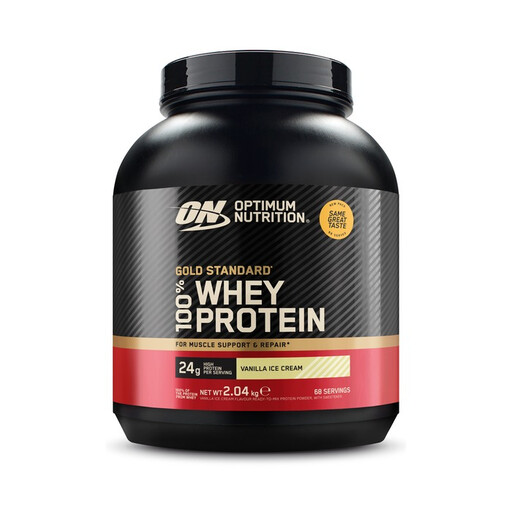
Why This Fits Their Persona: Perfect for athletes focused on rapid recovery. The main ingredient is high-quality whey protein isolate, ensuring fast absorption of amino acids after intense workouts.
The transparent labelling, with whey isolate as the main ingredient, shows a focus on quality over fillers. The sugar content is very low at 1.3g per serving.
Provides 24g of protein per serving and naturally contains 5.1g of BCAAs (Branched-Chain Amino Acids), which are crucial for muscle protein synthesis.
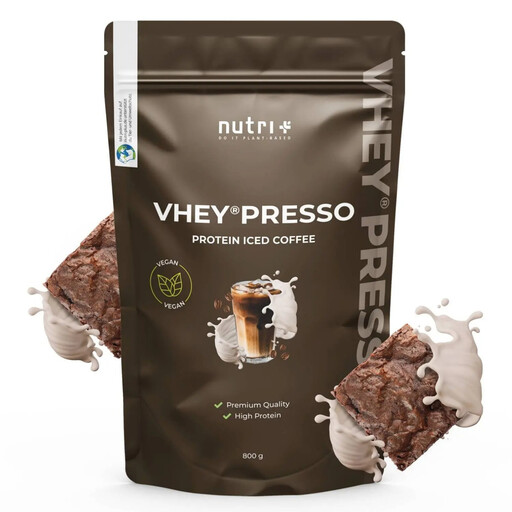
Why This Fits Their Persona: An innovative solution for coffee lovers and vegans. This product combines high-quality plant-based protein with real coffee to create a refreshing iced coffee shake.
The formula is clearly declared as a vegan protein powder and is based on a blend of soy and pea protein isolate. It avoids hidden dairy ingredients often found in many flavoured powders.
Delivers 21g of plant-based protein and 100mg of caffeine per serving. This not only supports muscles but also provides an energy boost.
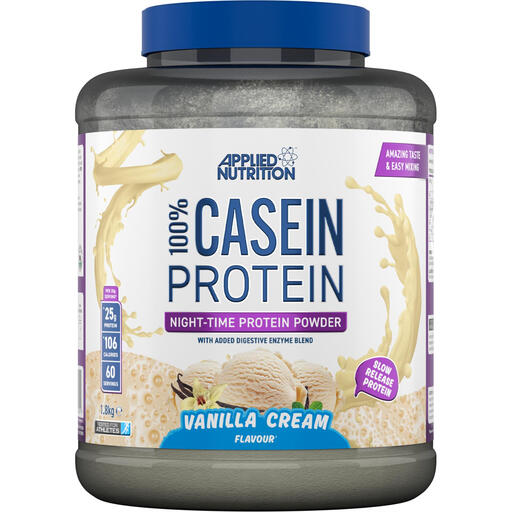
Why This Fits Their Persona: Designed for athletes who need a time-released protein supply, for example, to support overnight recovery or during long periods without food.
This product is clearly positioned as a Casein Protein, not a universal post-workout shake. It serves a specific purpose, thus avoiding false expectations of rapid nutrient absorption.
Made from 100% micellar casein for slow digestion. It is also gluten-free and contains added digestive enzymes (DigeZyme) and probiotics (LactoSpore).
We have compiled a complete, up-to-date list of products that fully meet these strict selection criteria and regulatory standards.
The optimal amount depends on your individual protein needs, overall diet, and training intensity. For most active people, supplementing with one to two servings (about 20–30g of protein each) per day is a common guideline. A protein powder should supplement a balanced diet, not replace it.
Protein powder can support a diet. Protein promotes satiety, which can help reduce overall calorie intake. A low-sugar, low-fat protein shake can replace a high-calorie snack. However, it's not a magic bullet and must be part of an overall calorie-reduced strategy.
For a clump-free mix, a shaker bottle with a sieve or a mixer ball is recommended. Always add the liquid to the shaker first, then the powder. Cold liquids generally work better. Additionally, whey isolate often dissolves better than concentrate due to its higher purity.