
Lieferung heute & morgen

Qualitätsgarantie

Willkommens-Angebote freischalten: KOSTENLOSE Lieferung | Bis zu 80 % RABATT | Kostenlose 30-Tage-JoyPlus-Testphase
App herunterladen
The market for protein powder is overwhelming. Countless brands make bold claims, but not every product delivers on its promise. Many consumers invest in expensive powders that don't align with their goals or end up gathering dust in the cupboard due to inferior ingredients. As your Joybuy Product Recommendation Officer, I'll help you recognise the common pitfalls and make an informed decision.
Two common marketing traps often lead to bad purchases:
To find the right protein powder for muscle building or as a dietary supplement, you should check three core aspects before making a decision.
The type of protein determines how quickly it's absorbed by the body and what amino acid profile it provides.
A look at the ingredients list is essential. Pay attention to the position of the protein—it should be listed first. Many products contain sweeteners like sucralose, acesulfame K, or stevia; this comes down to personal preference. Unnecessary fillers or large amounts of sugar should be avoided if your goal is pure protein supplementation.
Proteins are made of amino acids. For muscle growth and recovery, the nine essential amino acids that the body cannot produce itself are particularly important. Within this group, the branched-chain amino acids (BCAAs: leucine, isoleucine, and valine) play a central role in stimulating muscle protein synthesis. A high-quality protein powder for muscle building is characterised by a complete amino acid profile with a high BCAA content.
Instead of making a one-size-fits-all recommendation, we have selected products for various needs and goals.
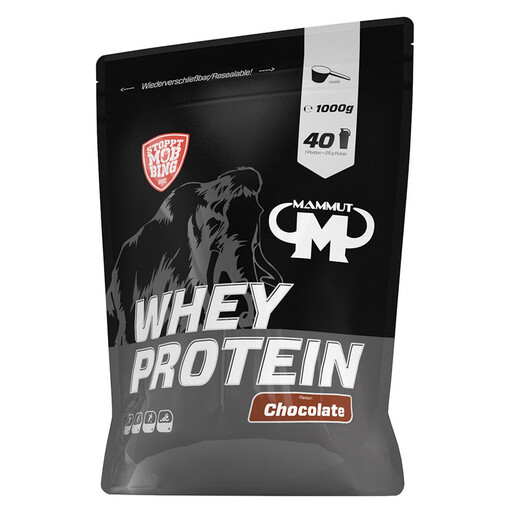
Why This Fits Their Persona: This product offers a solid whey protein concentrate with great value for money. It's a straightforward and effective choice for anyone looking to secure their protein intake after a workout without breaking the bank.
It relies on the proven protein source of whey concentrate and avoids expensive, exotic additives. The nutritional information is clearly declared per serving, allowing for a transparent evaluation.
According to the manufacturer, it delivers 27g of protein per serving (when prepared with milk) and is known for its good solubility, ensuring a clump-free protein shake.
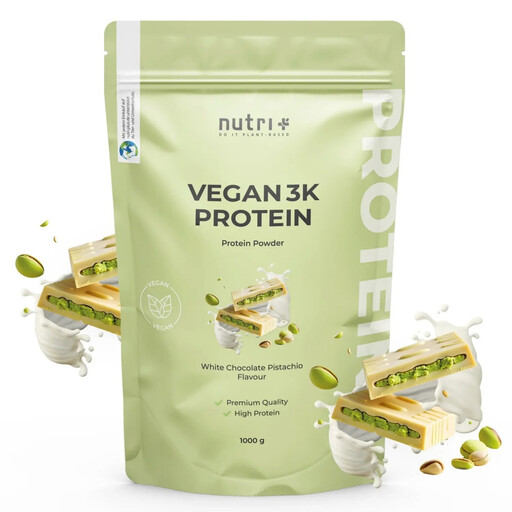
Why This Fits Their Persona: This well-formulated, purely plant-based multi-component blend is designed for athletes seeking a high-quality protein source as part of a vegan diet. The combination of different proteins aims for a high biological value.
Instead of relying on a single, potentially incomplete plant-based source, the protein sources (soy, pea, and sunflower protein) are transparently listed to create a balanced amino acid profile.
The 3-component formula provides 23g of protein per serving, according to the manufacturer, and contains all essential amino acids. It is specifically developed for a vegan diet and is wheat-free.
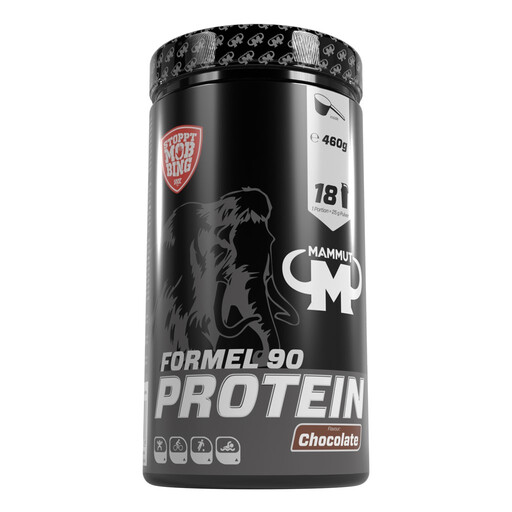
Why This Fits Their Persona: This multi-component protein offers a time-released nutrient supply from four different sources (soy, milk, whey, egg). It is ideal for athletes who need sustained support for recovery, for instance after an intense workout.
Instead of an opaque "proprietary blend," the four protein components are clearly named. The focus is on a functional combination for a staggered release, not on marketing gimmicks.
The 4-component blend delivers 29g of protein per serving (with milk), according to the manufacturer, and is optimised with Vitamin B6, which contributes to normal protein and glycogen metabolism.
Explore our curated selection of protein powders, tailored to different goals and dietary needs.
The recommended amount depends on your individual protein needs, diet, and training goals. For most active people, one serving (approx. 25-30g of powder) per day, preferably after a workout, is a sensible supplement. Always follow the manufacturer's serving recommendations on the packaging. A protein powder is a dietary supplement, not a substitute for a balanced diet.
Lumpiness is a common annoyance. For better solubility, add the liquid (water or milk) to the shaker first, and then add the powder. Shake the cup vigorously for at least 30 seconds. A shaker with a built-in sieve or a blender ball can significantly improve the results.
A protein shake alone is generally not a complete meal replacement, as it lacks important nutrients like complex carbohydrates, healthy fats, fibre, vitamins, and minerals. However, it can serve as a protein-rich component of a meal, for example, when combined with oats, fruits, and nuts in a smoothie.